
How Can We Help Ocean Pollution
Alright, let's talk about ocean pollution. It's a big, messy topic, right? Images of majestic sea creatures tangled in plastic, vast floating islands of trash—it’s enough to make you want to just crawl under a rock and never emerge.
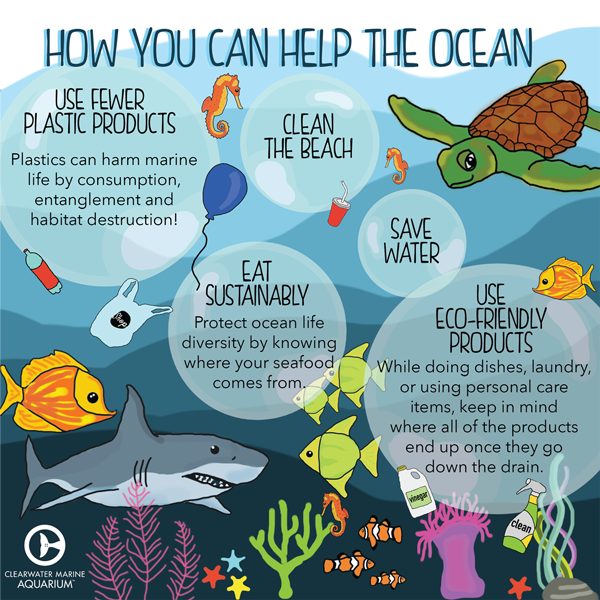
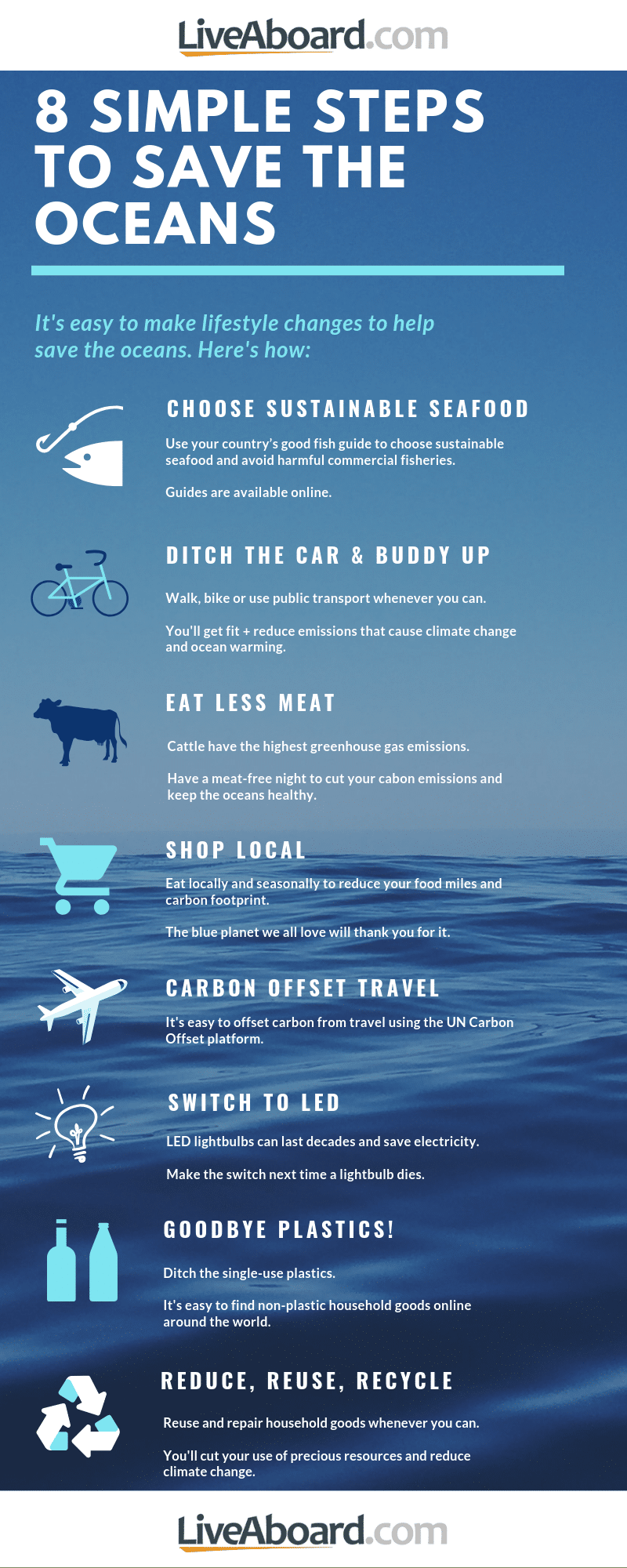
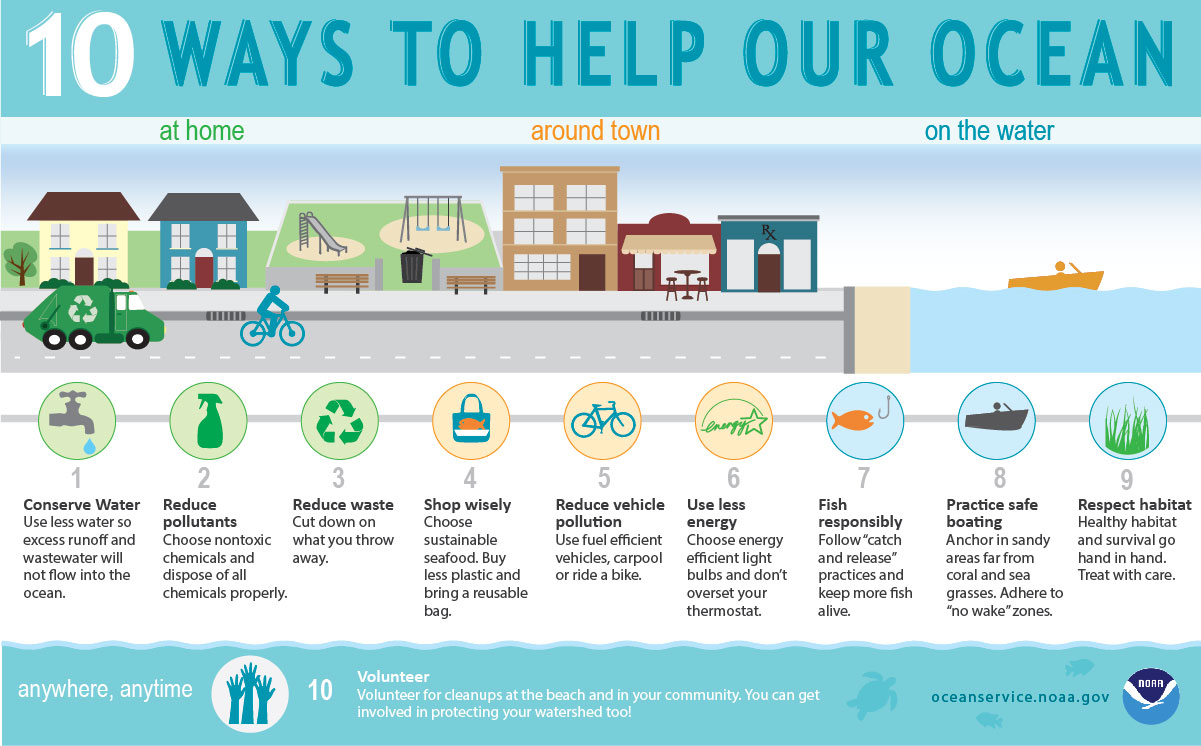
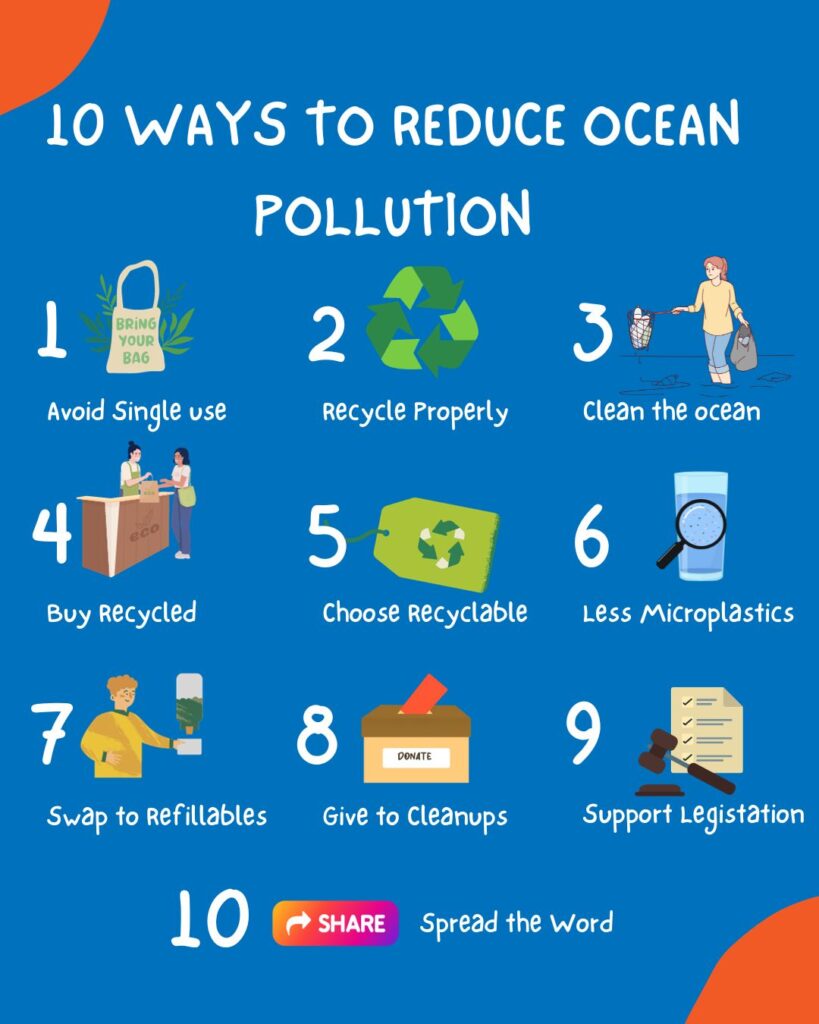
And then come the helpful, often repeated, tips. "Recycle diligently!" they cry. "Use a reusable water bottle, always!" And, of course, the ever-present plea, "Don't forget your own shopping bag!" We hear these things, nod sagely, maybe even buy a fancy bamboo toothbrush, and then sometimes, just sometimes, we forget our canvas bag in the car.
The Great Guilt Trip of the Deep Blue
We're all supposed to be eco-warriors, single-handedly saving the world one sustainable swap at a time. Every single-use coffee cup feels like a personal betrayal of a dolphin. That stray plastic wrapper? Straight to environmental purgatory, with a side of internal shame.
Must Read
But let's be honest for a second, just between us. Sometimes, you're genuinely parched and the only option is a bottled water. Sometimes, you're out the door in a rush and that glorious reusable tote is nowhere to be found. And sometimes, you look at the sheer, overwhelming mountain of plastic waste around you and think, "Is my single, lovingly washed reusable straw truly going to make a dent in this oceanic Everest?"
"Is my single, lovingly washed reusable straw truly going to make a dent in this oceanic Everest?"
It's a valid, perhaps even whispered, question. The scale of the problem can feel utterly crushing. Our individual actions, while undeniably good-hearted and well-intentioned, often feel like bailing out a sinking Titanic with a teaspoon. It’s like trying to clean up a muddy football field with a single tissue.
The weight of it all can lead to what I like to call "eco-exhaustion." We try so hard, but the problem just seems to get bigger, not smaller. It leaves us feeling helpless, or worse, guilty about our everyday lives.
A Wild, Perhaps "Unpopular," Opinion is Brewing
Ready for a controversial thought? What if... what if we stopped feeling so utterly, profoundly guilty about every single piece of plastic we accidentally encounter or use? What if we acknowledged that maybe, just maybe, the problem isn't solely on our individual shoulders to fix?
I know, I know. Heresy! Blasphemy! The environmentalists are probably sharpening their pitchforks made of reclaimed ocean plastic right now. But genuinely, hear me out before you cancel my compost bin.
The vast, colossal majority of ocean pollution isn't just floating out there because a few hundred people forgot to recycle a soda can. It's a deeply rooted, massive, systemic issue. It’s an issue woven into the very fabric of how we produce, consume, and discard goods on a global scale.
"It's a deeply rooted, massive, systemic issue."
We're talking about colossal industries, complex international supply chains, and a global economy that’s simply designed to produce way, way too much disposable stuff. Think about it: every single item you buy, from your toothbrush to your breakfast cereal, comes with layers of packaging, much of it plastic.
So, instead of continuously beating ourselves up for occasionally slipping up—because, let’s be real, life happens—maybe we can redirect that valuable energy. Instead of just focusing on heroically cleaning up the mess at the bottom of the ocean, let's try to turn off the actual tap that's constantly pouring more waste into it.
Turning Off the Tap, Not Just Mopping Up Splashes
Imagine your kitchen sink is overflowing, water gushing onto the floor. Do you immediately grab a tiny, cute sponge and start furiously dabbing at the puddles? Or does your first, most logical instinct kick in: try to turn off the faucet?
Most sensible people, even those who haven't had their morning coffee yet, would go for the faucet first, right? Our magnificent oceans are that overflowing sink, gushing with plastic and other pollutants. Our individual recycling efforts, while noble, are often that tiny sponge. We desperately need to turn off the actual tap.
What does "turning off the tap" truly mean in the grand, watery context of ocean pollution? It means shifting our collective focus upstream. It means prioritizing the drastic reduction of new waste creation in the first place. It’s about demanding less production of single-use, non-recyclable items, full stop.
This isn't just about refusing a flimsy plastic bag at the checkout. It's about demanding that huge, influential companies stop making those flimsy plastic bags in the first place. Or, at the very least, make them from truly, easily, and widely recyclable materials that actually get recycled, not just landfilled or dumped.
"This isn't just about refusing a flimsy plastic bag. It's about demanding that huge, influential companies stop making those flimsy plastic bags in the first place."
It means actively choosing products that come with minimal, genuinely sustainable, or even zero packaging. And if those eco-friendly options don’t readily exist for something you need, it means letting brands know exactly why your hard-earned money is going elsewhere. Your purchasing decisions are tiny votes for a better future.
The Surprising Power of Your Wallet (and Your Louder Voice)
Let's be brutally honest: companies, at their core, listen to one thing above all else. It's not heartfelt pleas from sea turtles (though we wish it were). It's money. It's cold, hard cash. If we, as a vast collective of consumers, start to consistently shy away from products wrapped in excessive, non-recyclable, or frankly ridiculous amounts of plastic, they will notice. And they will notice incredibly fast.
Imagine if millions of people around the globe decided, "Nope, not buying that overly packaged item. There has to be a better way." That collective action sends a much, much stronger signal through the corporate world than any individual feeling guilty about a single plastic bottle cap. Your purchasing power is immense.
So, instead of just aiming for the often-unattainable goal of zero waste (which, let's face it, is incredibly hard and stressful for most of us juggling busy lives), let's aim for something equally, if not more, impactful: less waste creation at the source. Let's actively seek out and support businesses that are genuinely, transparently trying to do better for our planet.
And don't ever be afraid to use your voice, loud and clear. Write an email to customer service. Send a cheeky tweet to a brand. Leave a thoughtful, constructive review. Make a polite (or even a slightly more assertive) complaint. Tell companies you want options that don't contribute to marine life swallowing plastic confetti for dinner.
Embracing Imperfection, Aiming for Gigantic Impact
Does this slightly rebellious stance mean we should just give up on our reusable bags, our trusty water bottles, or our quest for that perfect bamboo cutlery set? Absolutely not! Every little bit still helps, and developing conscious habits is undeniably important for personal awareness. It’s about being mindful, not fanatical.
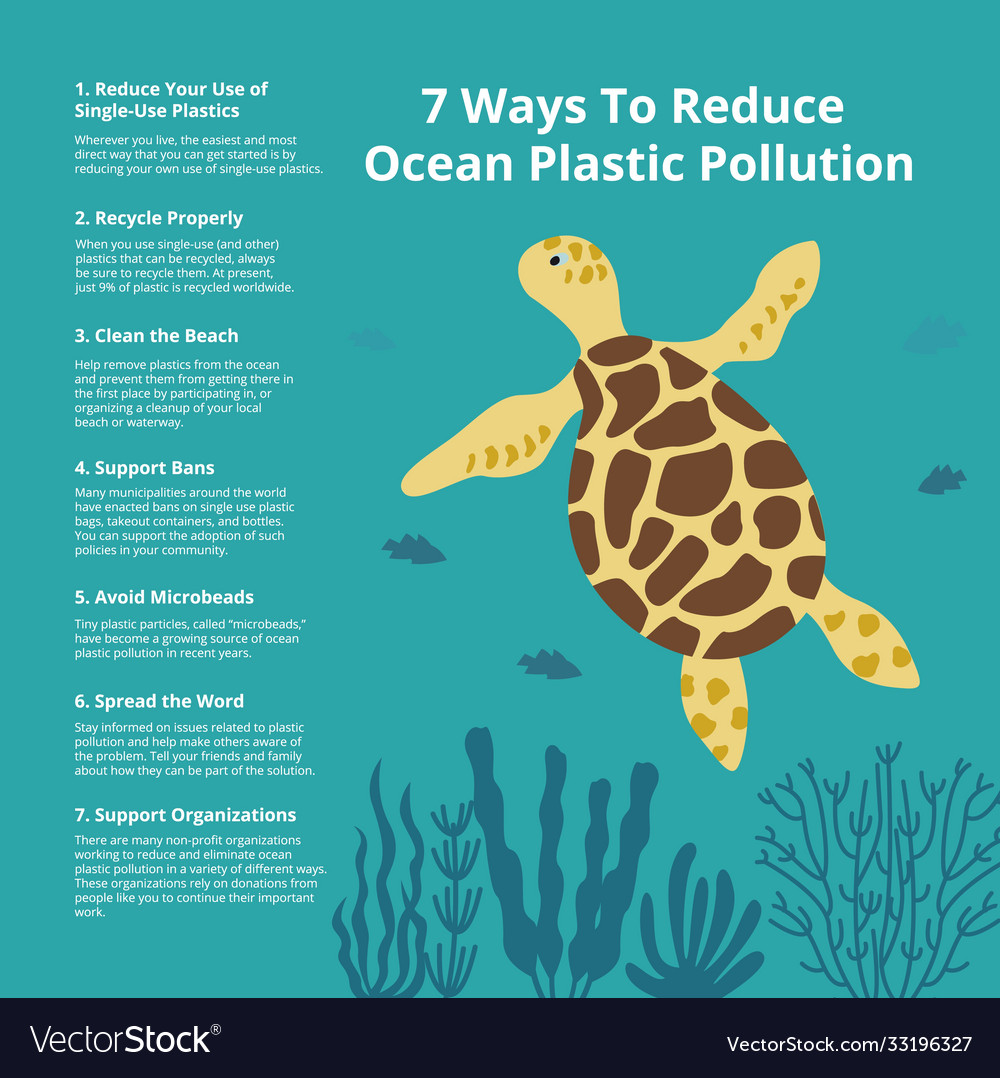
But let's collectively release ourselves from the immense, suffocating pressure of feeling like the entire ocean's fate rests solely on whether we remembered our coffee cup this morning. You, my friend, are not personally responsible for the monumental garbage patch floating in the Pacific Ocean. That's a burden no single person should carry.
Instead, let’s focus our precious energy where it can make a truly monumental splash. Reduce your own personal consumption, absolutely, where you can. But also, and perhaps more powerfully, become an active advocate for systemic, industry-wide change. Demand better from the manufacturers, the retailers, and the policymakers.
"You, my friend, are not personally responsible for the monumental garbage patch floating in the Pacific Ocean."
Let's lighten up on the guilt trip and heavy up on the collective, strategic action. It's perfectly okay to not be perfect. It’s more than okay to acknowledge that some problems are simply bigger than what can be solved in our individual recycling bins.
So next time you're feeling overwhelmed by the news about ocean pollution, take a deep, cleansing breath. Grab your reusable coffee cup if you remember it – great! But more importantly, think about how you can vote with your wallet, amplify your voice, and support the bigger shifts. That, my friends, is how we can truly help the ocean pollution crisis – with less personal guilt, and much more gusto for genuinely transformative change!
The ocean is a grand, majestic, and utterly vital place. It deserves our thoughtful, strategic, and collective care, not just our stressed-out apologies for forgetting a tote bag. Let's make big waves, together, by demanding better solutions from the source of the problem. That's a mission worth smiling about.