How Can We Decrease The Amount Of Atmospheric Co2
Ah, the air we breathe! We don't often think about it, do we? It's just there, keeping us alive, letting us run, jump, and enjoy life. We take deep breaths during a morning yoga session, feel the refreshing air on our faces during a bike ride, and appreciate the cool breeze on a hot summer day. It’s the silent partner in all our adventures, fueling our bodies and connecting us to the world.
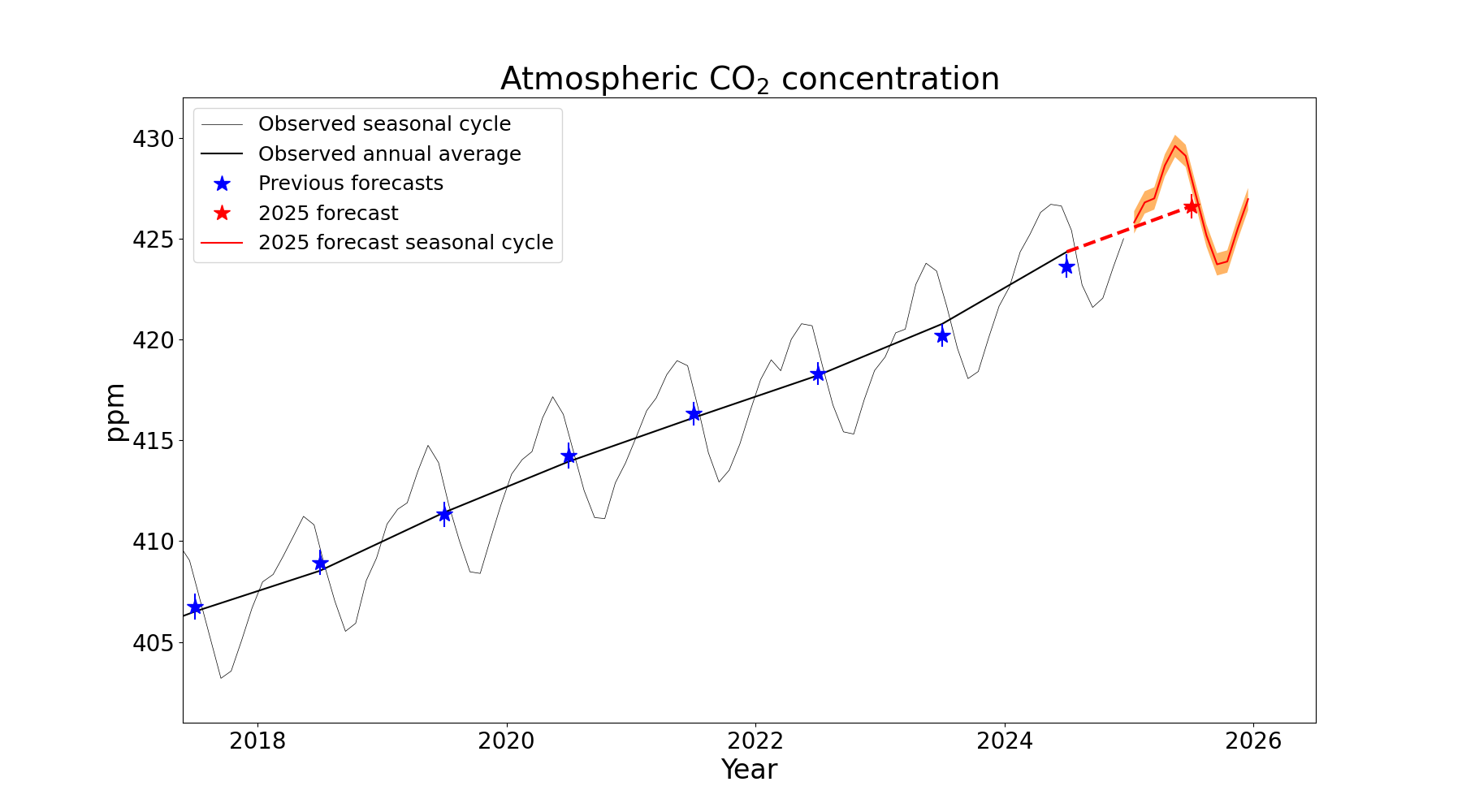
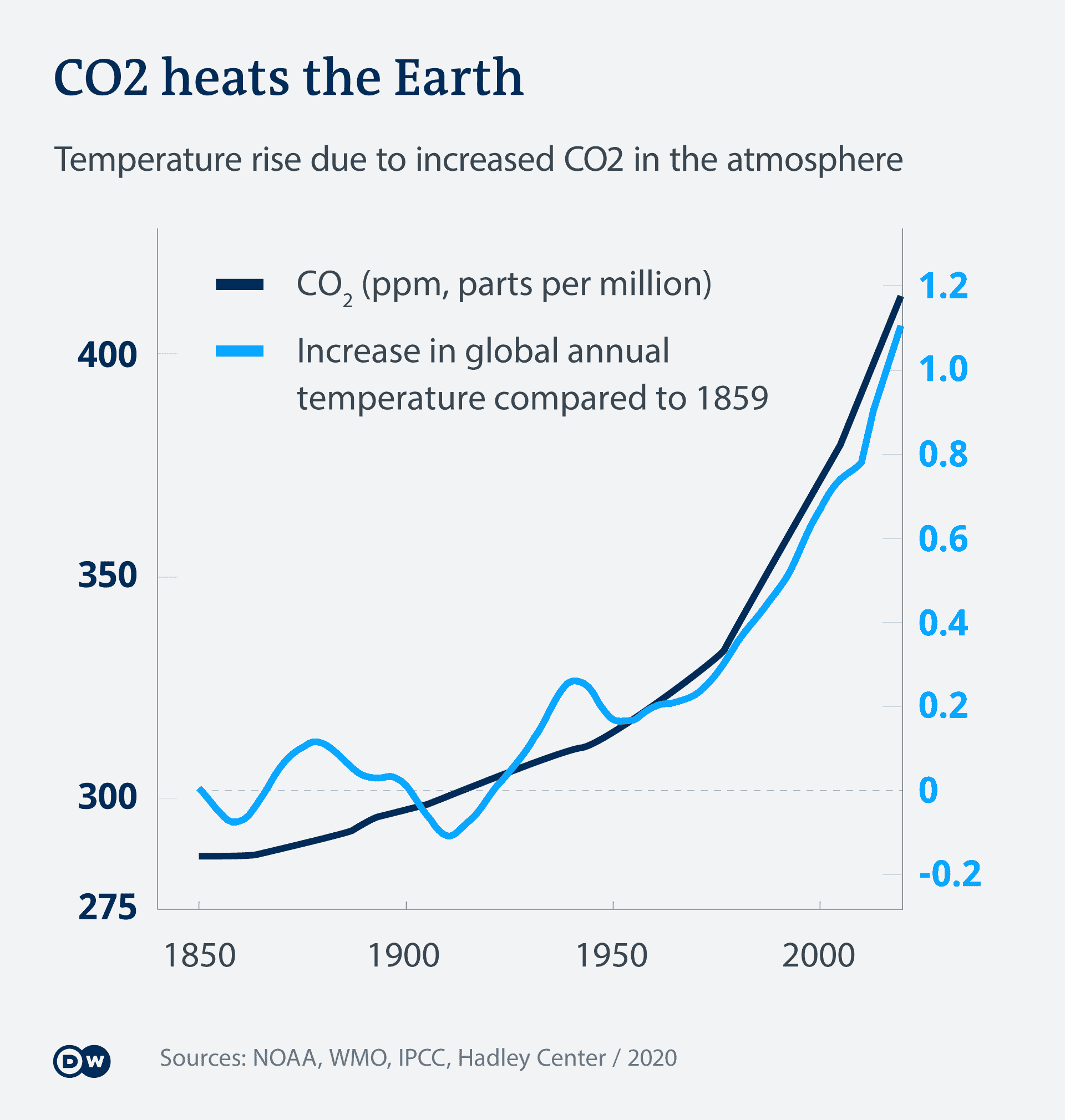
But what if that air, the very essence of our existence, isn't quite as healthy as it used to be? The concentration of atmospheric CO2 is a crucial factor in the health of our planet. Excessive CO2 traps heat, contributing to global warming and climate change. These changes affect everything from the weather patterns that influence our food supply to the rising sea levels that threaten coastal communities. Maintaining a healthy atmospheric CO2 balance is vital for ensuring a stable and habitable planet for ourselves and future generations. It's not just about polar bears; it’s about everything.
So, how do we, as individuals and as a society, tackle this massive challenge? The good news is, there's no single magic bullet, but rather a combination of approaches that can significantly reduce atmospheric CO2. Think of it like cooking a complicated dish – you need a variety of ingredients and techniques to get the perfect result.
Must Read
First, let's talk about reducing our reliance on fossil fuels. This means transitioning to renewable energy sources like solar, wind, and hydro power. Governments are investing heavily in these technologies, and many homeowners are installing solar panels on their roofs. You can support this effort by advocating for policies that promote renewable energy and by choosing to purchase electricity from renewable sources if available in your area. Imagine a world powered by the sun and wind - cleaner air and a healthier planet!
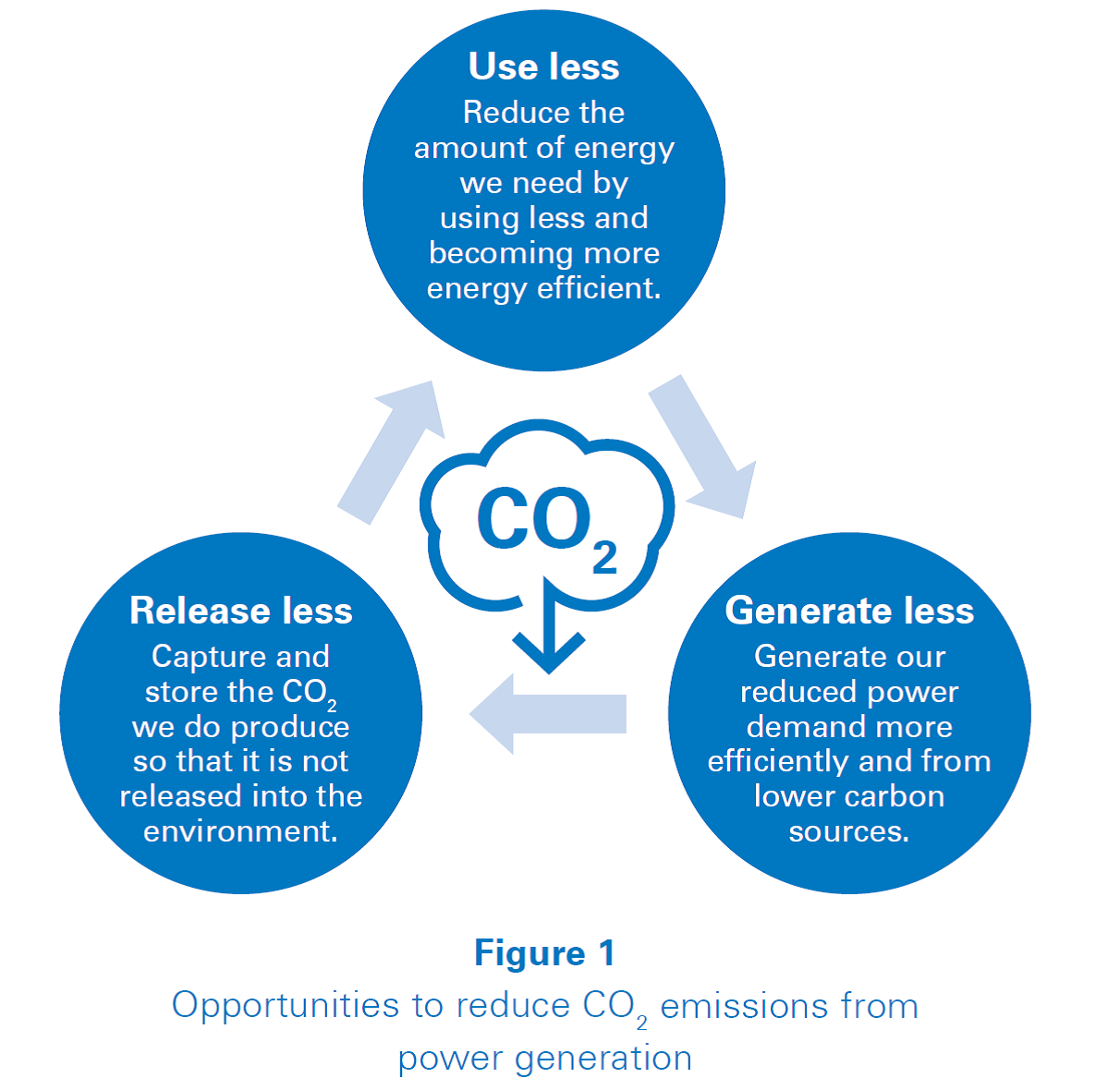
Another important area is improving energy efficiency. This involves using less energy for the same tasks. Simple actions like switching to LED light bulbs, insulating your home, and driving a more fuel-efficient car can make a real difference. Even turning off lights when you leave a room contributes! These actions save you money on your energy bills and reduce your carbon footprint. It's a win-win!
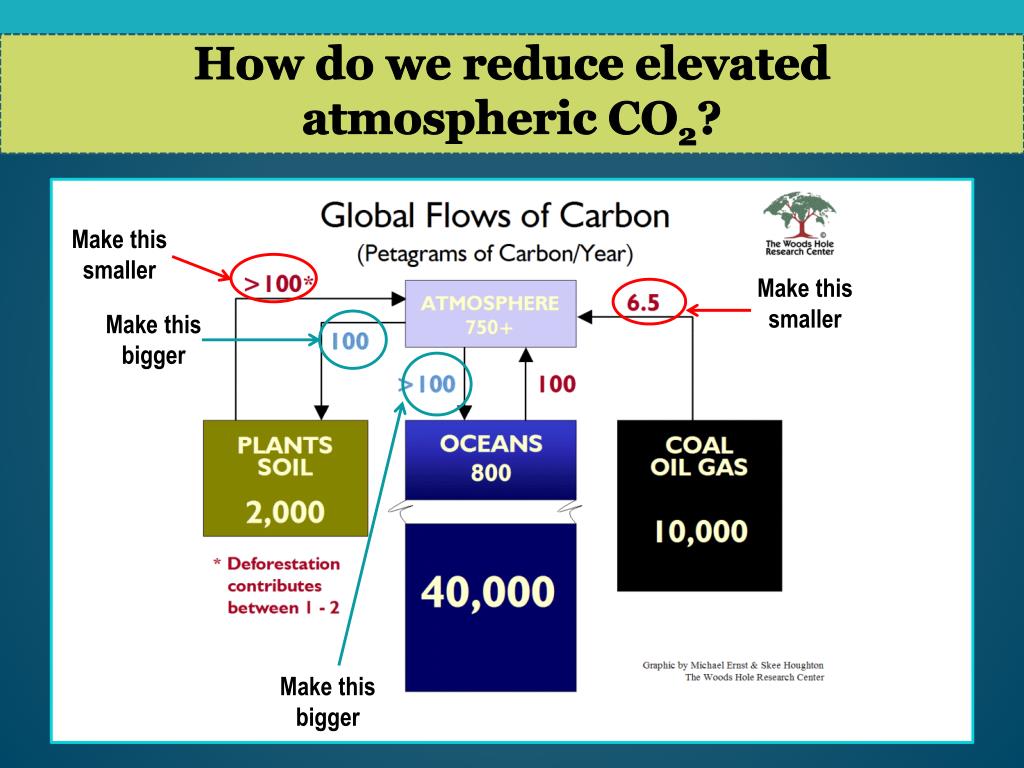
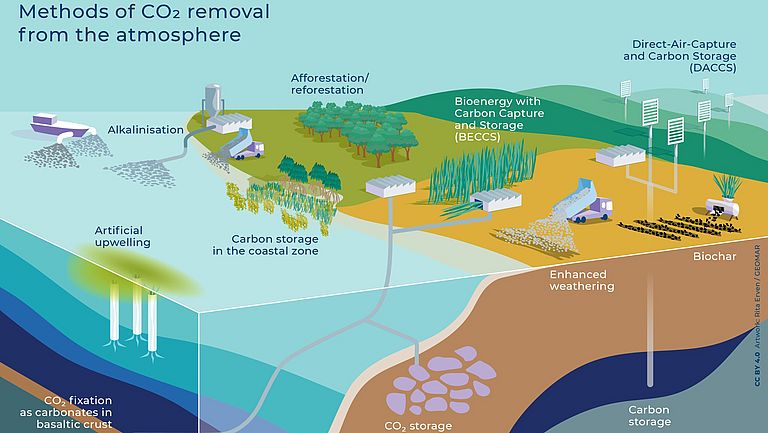
Protecting and expanding our forests is also critical. Trees absorb CO2 from the atmosphere through photosynthesis. Deforestation releases this stored carbon back into the atmosphere. Therefore, supporting sustainable forestry practices, planting trees, and avoiding products that contribute to deforestation are all important steps. Consider donating to organizations that are actively involved in reforestation efforts. Think of forests as the lungs of our planet, constantly cleaning the air we breathe.
Furthermore, exploring carbon capture technologies holds significant promise. These technologies aim to capture CO2 directly from industrial sources or even from the air itself and store it underground or use it for other purposes. While still in development, these technologies could play a crucial role in reducing atmospheric CO2 in the future. It's like having a high-tech vacuum cleaner for the atmosphere!
Finally, we must consider our individual consumption habits. Reducing meat consumption, buying locally produced goods, and minimizing waste can all contribute to lower CO2 emissions. Consider the environmental impact of your choices when making purchasing decisions. Even small changes in your lifestyle can collectively make a big difference. It’s about being a more conscious consumer and thinking about the planet before you purchase.
Decreasing atmospheric CO2 is a complex challenge, but it’s one we can tackle together. By embracing a combination of these strategies, we can create a cleaner, healthier, and more sustainable future for all. So, take a deep breath (of cleaner air, hopefully!), and let's get to work!