
How Can Renewable Resources Become Non Renewable
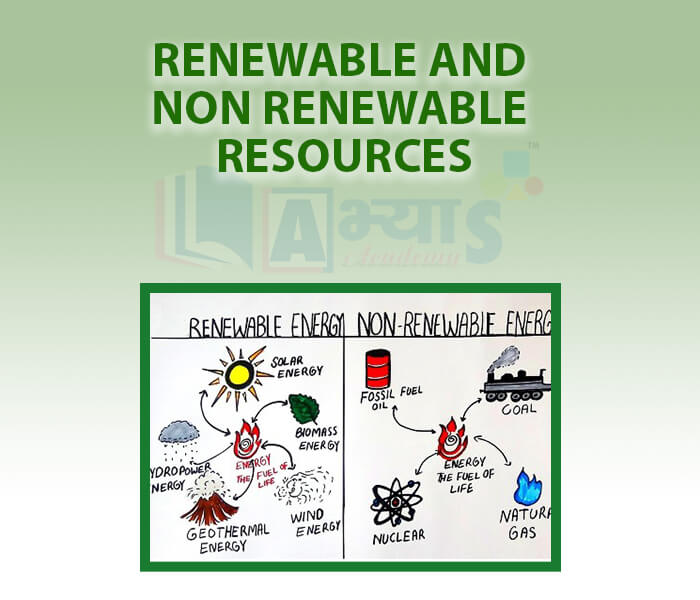
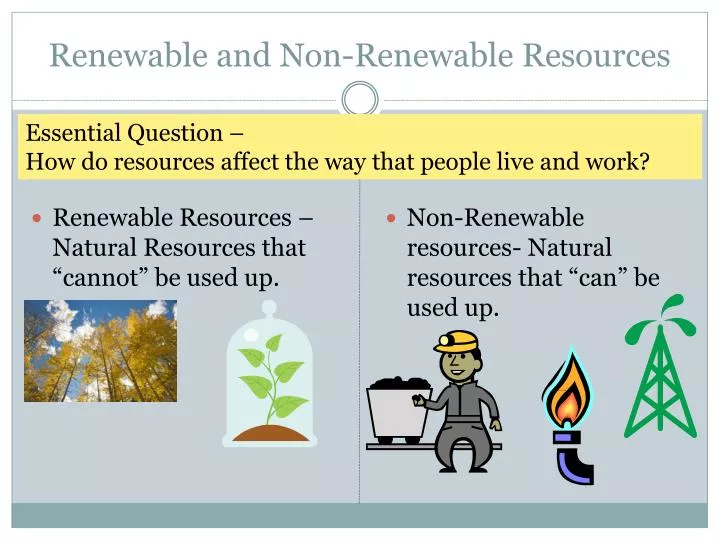
Ever thought about renewable resources? You know, the stuff that's supposed to last forever? Well, hold on to your hats! Things might not be as simple as they seem.
The Renewable Resource Paradox
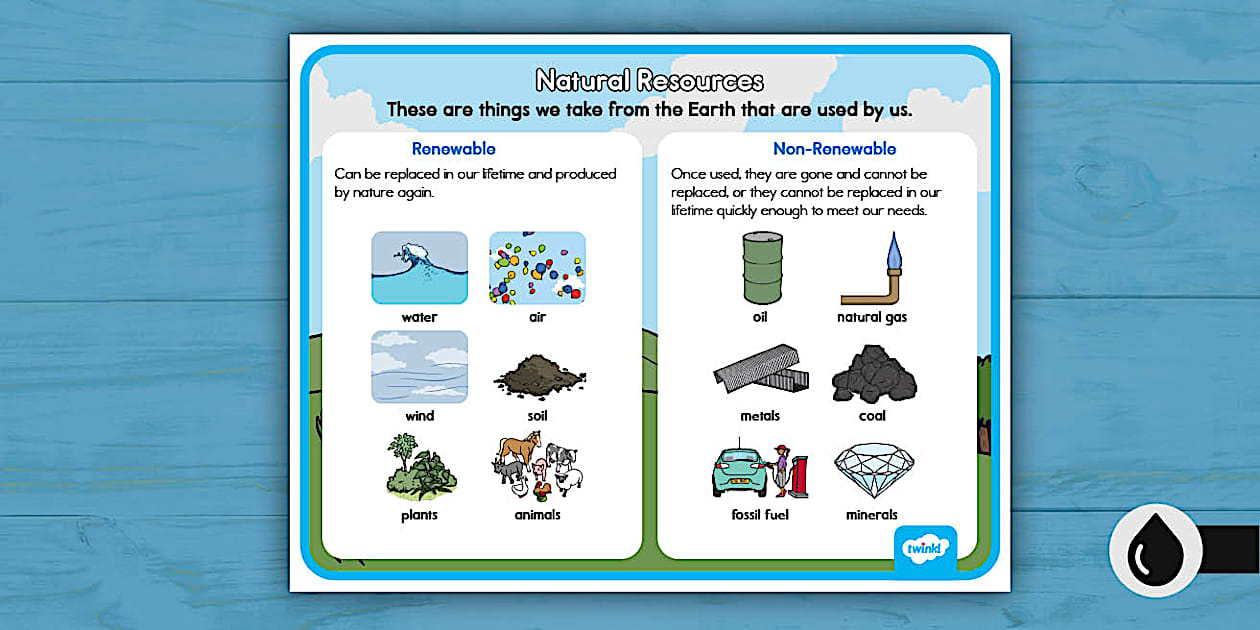
Renewable resources are a bit like that friend who's always up for anything. Solar, wind, water, biomass – they're all supposed to regenerate naturally. But what if your always-ready friend suddenly needed a nap? Things would get complicated, wouldn't they?
That's the funny thing about "renewable." Under the wrong circumstances, they can totally become non-renewable. It's like a magic trick gone wrong! Let's dive into how this happens, because it's more entertaining than you think.
Must Read
The Case of the Overworked Sun
Solar energy seems like a slam dunk. The sun shines, we collect the energy, and everyone's happy, right? Wrong! What if we start covering every available surface with solar panels?
Think about the vast deserts, which can potentially change the local climate patterns. Too much of a good thing can disrupt the delicate balance of nature. Suddenly, that abundant sunlight becomes a bit less…well, abundant and potentially more harmful.
Wind Woes
Wind power is another favorite. Turbines spin, electricity flows, and we pat ourselves on the back. But what happens when we build wind farms everywhere?
Birds and bats, bless their little hearts, sometimes don't appreciate these giant whirlygigs. Plus, large-scale wind farms can alter wind patterns locally, affecting ecosystems and even agriculture. It’s a bit of a windy mess, isn't it?
Watery Worries
Hydroelectric power harnesses the flow of rivers. Seems clean and simple, right? Guess again! Dams can wreak havoc on river ecosystems.
They block fish migration, alter water temperatures, and change sediment flow. Over-damming can basically choke a river, turning a vibrant ecosystem into a stagnant pool. Suddenly, that renewable water source is…not so renewable for the critters that depend on it.
Biomass Blunders
Biomass, like trees and crops, can be burned for energy. It's renewable because we can just plant more, right? Well, if we cut down forests faster than they can regrow, we're in trouble.
Deforestation leads to soil erosion, habitat loss, and climate change. Plus, burning biomass releases pollutants into the air. Talk about a backfire!
Overplanting can also lead to monoculture farming, and that's not a sustainable thing at all. So, that renewable biomass becomes a not-so-renewable problem.
The Human Factor
The real issue isn't necessarily the resources themselves. It's us. Our insatiable demand and unsustainable practices can turn even the most abundant resource into a scarce one.
It’s like having an all-you-can-eat buffet and then trying to eat the entire restaurant. The buffet might be technically "unlimited," but your actions definitely make it unsustainable!
Overconsumption is the Enemy
Think about the phrase, the tragedy of the commons. It basically says that when everyone has access to a resource, they tend to overuse it. This happens with fisheries and water supplies all the time.
If we don't manage our resources responsibly, we can quickly deplete them. It's like draining a bank account faster than you deposit money. Eventually, you'll be broke!
Waste Not, Want Not
Another big problem is waste. We often waste energy, water, and materials without even thinking about it. Leaving lights on, letting the water run, and throwing away perfectly good stuff all contribute to the problem.
Imagine filling a leaky bucket. No matter how much you pour in, it'll eventually run dry. We need to plug the leaks in our system and become more efficient.
Solutions and Silver Linings
Okay, so it sounds like we're doomed, right? Not necessarily! The good news is that we can do things differently. There's still hope for a sustainable future.
It just requires a little bit of smart thinking and a willingness to change our habits. Think of it as a fun challenge – how can we make sure renewable resources stay renewable?
Sustainable Practices
The key is to manage resources sustainably. This means using them at a rate that allows them to regenerate naturally. It's like tending a garden – you need to nurture the plants and protect the soil.
For example, we can practice sustainable forestry, where trees are harvested responsibly and replanted. We can also implement water conservation measures, like using low-flow toilets and fixing leaky faucets.
Technological Innovations
Technology can also play a big role. Scientists and engineers are constantly developing new ways to harness renewable energy more efficiently and with less environmental impact.
Think about improved solar panel designs, more efficient wind turbines, and better battery storage technology. These innovations can help us get more bang for our buck and reduce our reliance on fossil fuels.
Policy and Regulations
Governments can also help by implementing policies that promote sustainable practices. This can include things like carbon taxes, renewable energy standards, and regulations on resource extraction.
These policies can create incentives for businesses and individuals to adopt more sustainable behaviors. Think of it as setting the rules of the game to encourage fair play and protect the environment.
Individual Action
Ultimately, the most important thing is individual action. We all have a role to play in creating a sustainable future. Even small changes in our daily habits can make a big difference.
Turning off lights, conserving water, recycling, and reducing our consumption are all simple things we can do to help. It's like voting with our wallets and our actions.
The Takeaway
The story of renewable resources turning non-renewable is a cautionary tale. It reminds us that even the most abundant resources can be depleted if we're not careful. But it's also a story of hope.
By adopting sustainable practices, embracing technological innovations, and implementing smart policies, we can ensure that renewable resources stay renewable for generations to come. It's not just about saving the planet; it's about creating a better future for ourselves and for the amazing creatures that share this planet with us.
So, next time you hear the word "renewable," remember that it's not a guarantee. It's a responsibility. And that responsibility, believe it or not, can be pretty darn entertaining to explore and understand!