
How Can Individuals Reduce Their Carbon Footprint
Okay, picture this: Last week, I’m feeling all virtuous, right? I remembered my reusable shopping bags! I patted myself on the back. Super eco-conscious. Then, I got home and realized I’d driven twenty minutes out of my way to that specific store because they had, like, ONE type of organic peanut butter on sale. Twenty minutes! The guilt. The carbon emissions! Suddenly, reusable bags felt… less impressive. It got me thinking: how can we, as individuals, actually make a dent in our carbon footprint without, you know, sacrificing all joy?
That’s what we’re diving into today. No pressure, no judgement. Just practical, (hopefully) painless ways to lessen our impact on the planet. Because let's be real, nobody's perfect, and even small changes add up. You with me?
Transportation Transformation
Let’s start with the big one: how we get around. Transportation is a HUGE contributor to carbon emissions. Think about it: every car ride, every plane trip… it all adds up. So, what can we do?
Must Read
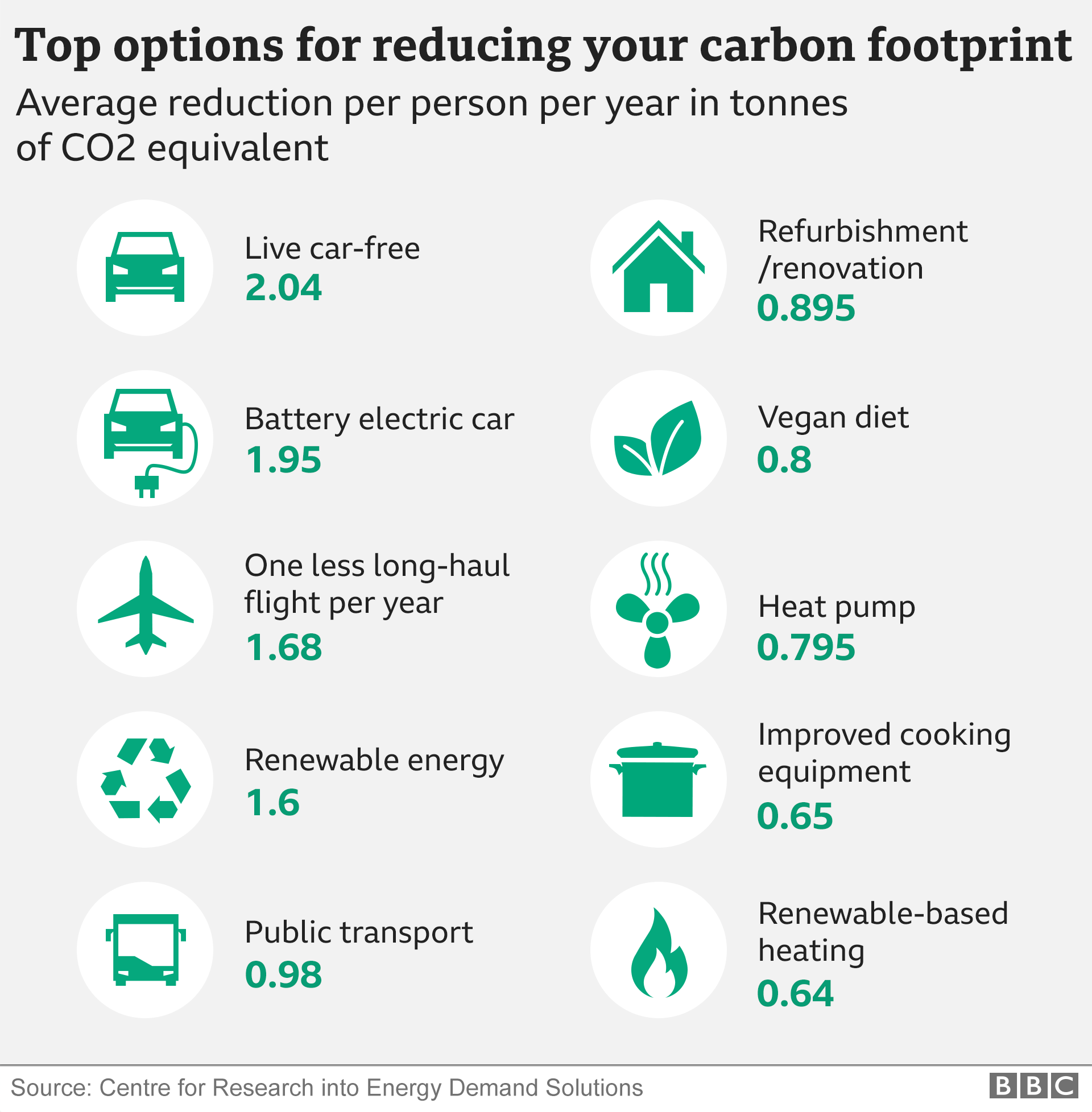
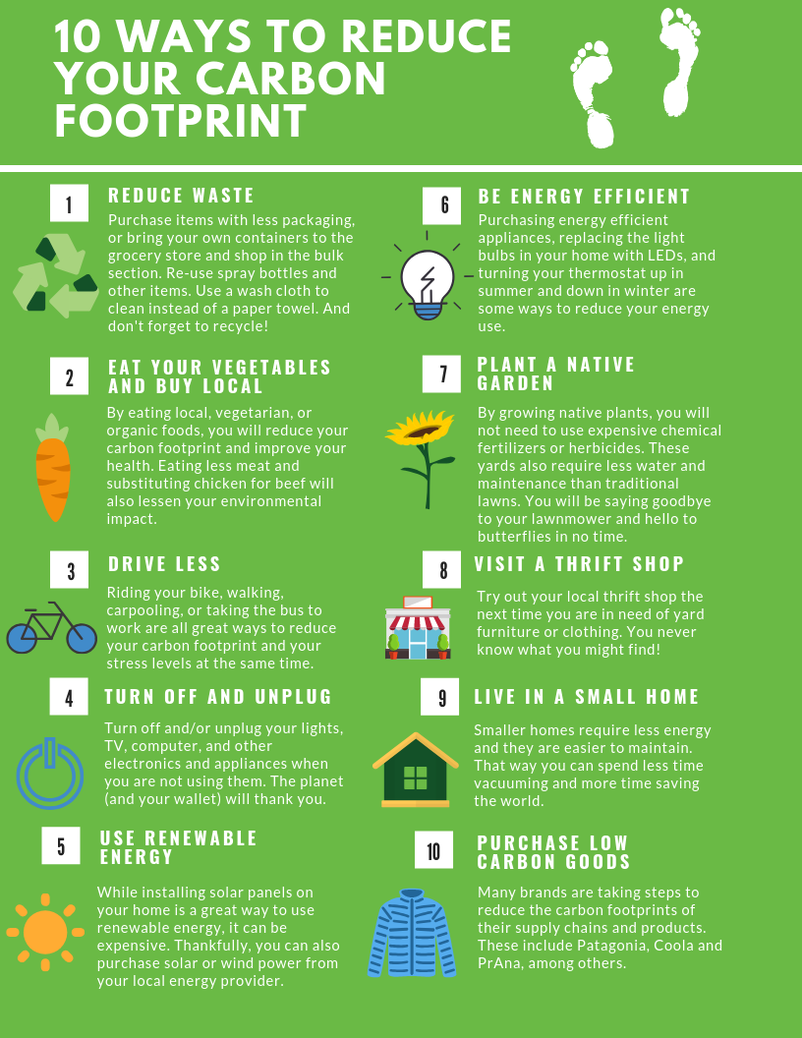
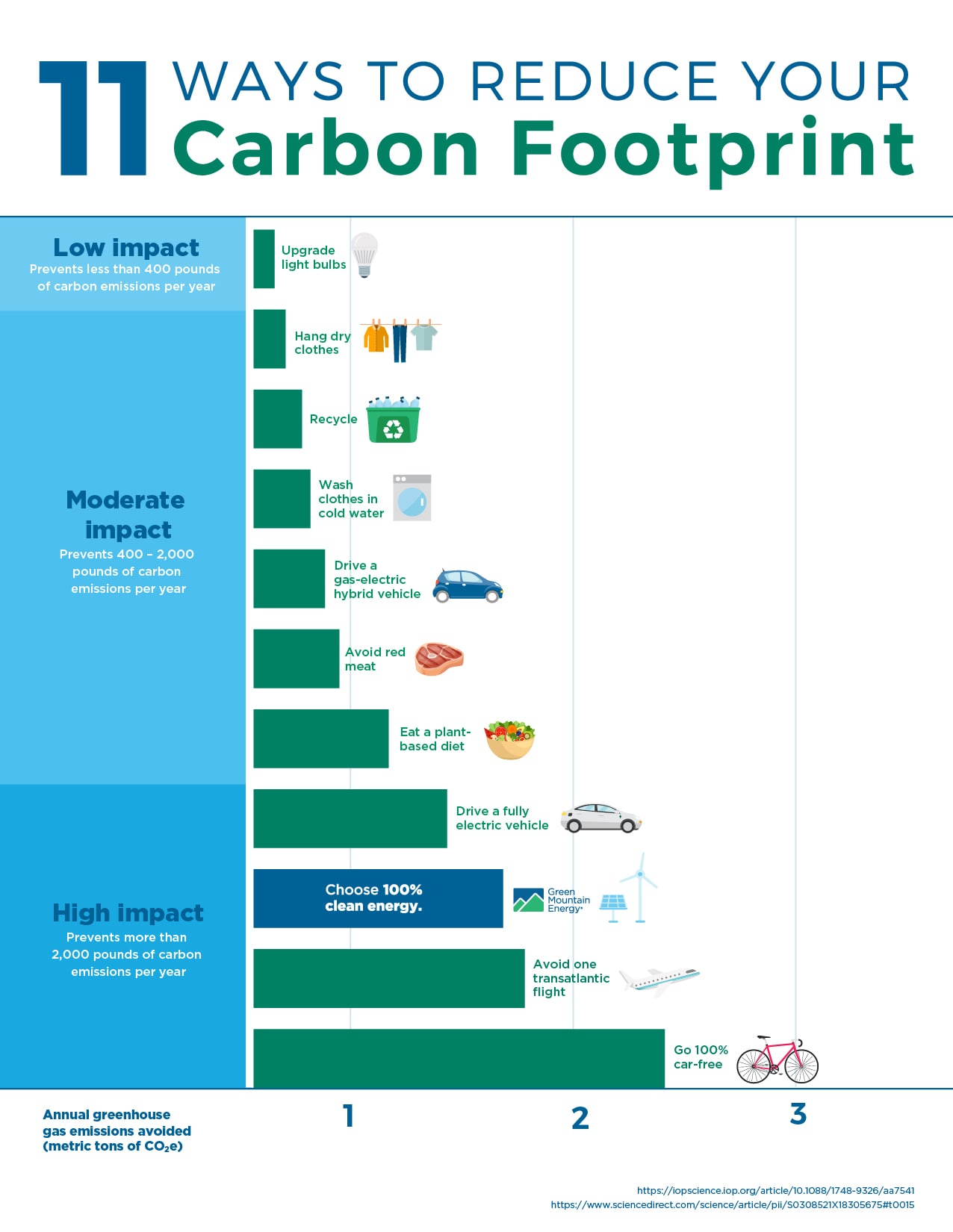
Drive less: Okay, duh. But how? Think about shorter trips. Could you walk or bike to the grocery store instead of driving? I know, I know, sometimes that feels impossible. But even one walk a week makes a difference! (And hey, free exercise!).
Consider public transport: Buses, trains, subways… they're your friends! Especially for commutes. I know, sometimes they’re not the most convenient, but they're generally far more efficient than everyone driving their own car. Plus, think of all the reading you could get done!
Fly less (or smarter): Look, I love a good vacation as much as the next person. But plane travel is a serious carbon hog. So, if you can, consider shorter trips closer to home. Or, if you have to fly, look into carbon offsetting programs. It's not a perfect solution, but it's something. And maybe pack light? Less weight = less fuel! Just a thought.
If you must drive, drive smart: Keep your tires properly inflated (seriously, it helps with gas mileage!), avoid aggressive driving (no need to channel your inner race car driver), and consider a more fuel-efficient vehicle when it's time to replace your current one. Maybe even… an electric car? Okay, I’m dreaming a little here. They're still expensive! But hey, maybe someday!
Eating for the Earth
Food is another major player in the carbon footprint game. From production to transportation to waste, our food choices have a real impact.
Eat less meat (especially beef): This is a big one. Raising livestock, especially cattle, generates significant greenhouse gas emissions. Even cutting back on meat a few times a week can make a difference. Try a "Meatless Monday" or explore vegetarian/vegan recipes. Trust me, there are some seriously delicious options out there. I was surprised, too!
Reduce food waste: Did you know that about a third of all food produced globally is wasted? That's insane! Plan your meals, store food properly, and get creative with leftovers. "Composting is another fantastic way to reduce food waste and create nutrient-rich soil for your garden." I haven’t mastered this yet, but it’s on my list!
Buy local and seasonal: When you buy local, you're supporting local farmers and reducing the emissions associated with transporting food long distances. Plus, seasonal produce just tastes better! Visit your local farmer's market – it's a fun way to connect with your community and eat sustainably.

Home Sweet (Sustainable) Home
Our homes are often surprisingly energy-intensive. But there are lots of ways to make them more eco-friendly.
Conserve energy: Turn off lights when you leave a room, unplug electronics when you're not using them (they still draw power!), and use energy-efficient appliances. Small changes, big impact!
Adjust your thermostat: Lower your thermostat in the winter and raise it in the summer (within reason, of course! We're not aiming for discomfort!). Even a few degrees can make a difference. And invest in a programmable thermostat – it'll automatically adjust the temperature based on your schedule.
Improve insulation: Proper insulation can significantly reduce your heating and cooling costs. Seal any drafts around windows and doors. It might be a bit of an upfront investment, but it'll pay off in the long run – both financially and environmentally.
Rethink your consumption habits: This is the big one, isn’t it? Do you really need that new gadget? Can you repair something instead of replacing it? Buying less stuff is one of the most effective ways to reduce your carbon footprint. Think about it: everything we buy requires resources to produce and transport. Plus, less clutter is good for the soul, right?
So, there you have it. A few ideas to get you started. Remember, it's not about being perfect. It's about making conscious choices and doing what you can. And hey, maybe we can all ditch the peanut butter drive from now on. Baby steps!