
How Can I Improve Air Quality
Ever just take a deep breath and truly think about the air you're inhaling? Probably not, right? Most of the time, air is just… there. But what if this invisible presence has a huge impact on how you feel, how you focus, and even how well you sleep?
It’s true! We often chat about outside air pollution – the stuff you see on the news. But what about the air inside your home, your office, or wherever you spend most of your time? Turns out, that air can sometimes be even more polluted than the air outdoors. Kinda wild, huh?
Why Bother with Better Air?
You might be thinking, "It's just air!" But imagine trying to run your car on really junky fuel. It wouldn't perform well, right? Our bodies are pretty similar. When we're constantly breathing in air filled with tiny particles, allergens, chemicals (called VOCs – Volatile Organic Compounds, sounds super sci-fi!), or even just too much carbon dioxide, our bodies have to work harder. This can lead to all sorts of not-so-fun things like:
Must Read
- Feeling sluggish or tired
- Headaches or dizziness
- Allergy flare-ups
- Poor concentration (hello, brain fog!)
- Even long-term health issues
But on the flip side, clean air is like a superpower. It helps you think clearer, feel more energized, and sleep deeper. Who wouldn't want a bit of that?
Small Changes, Big Breaths: Your Air Quality Toolkit
Good news! You don't need a hazmat suit or a fancy lab to start improving your air. A lot of it comes down to simple, everyday habits. Think of it like a fun mission to make your personal atmosphere sparkling clean.
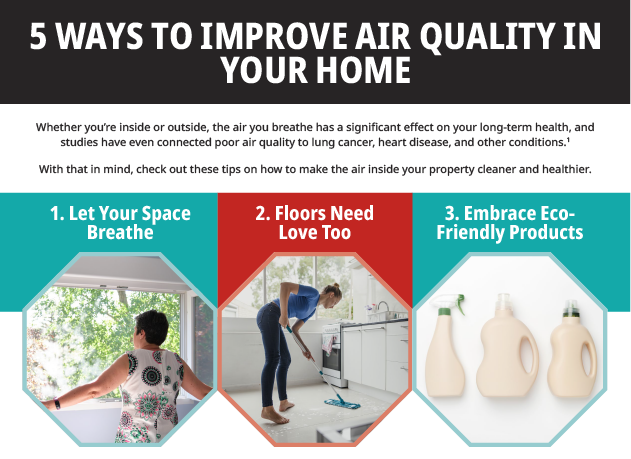
Let the Fresh Air In! (Hello, Ventilation!)
This is probably the easiest and most overlooked step. Remember how stuffy a room can get after a while? That's your indoor air getting a bit stale and concentrated with whatever's floating around. The solution? Open your windows!
Even for just 5-10 minutes a day, especially after cooking, cleaning, or showering, fresh air circulation makes a huge difference. If you can, try to create a "cross-breeze" by opening windows on opposite sides of your home. It’s like giving your house a big, refreshing yawn!
Embrace Your Inner Plant Parent (Green Buddies!)
Plants aren't just pretty faces; they're also little air-purifying machines! While they won't solve all your air quality issues, they definitely lend a helping hand. They absorb carbon dioxide and release oxygen. Some, like the Pothos, Snake Plant, or Spider Plant, can even help filter out certain airborne toxins. Plus, they add a touch of nature and calm to your space. Win-win!
Dust Busters and Vacuum Vultures (Cleanliness is Key!)
Those adorable little dust bunnies? They're not just innocent clumps of fluff; they're tiny hotels for allergens, pet dander, mold spores, and other particles you'd rather not inhale. Regular cleaning, especially with a damp cloth (to trap dust instead of just kicking it into the air), is super important.
When vacuuming, consider one with a HEPA filter. This type of filter is like a superhero, trapping those super-fine particles that other vacuums might just recirculate. And here's a quick tip: consider a "no shoes in the house" policy. Your shoes track in a surprising amount of outdoor gunk!
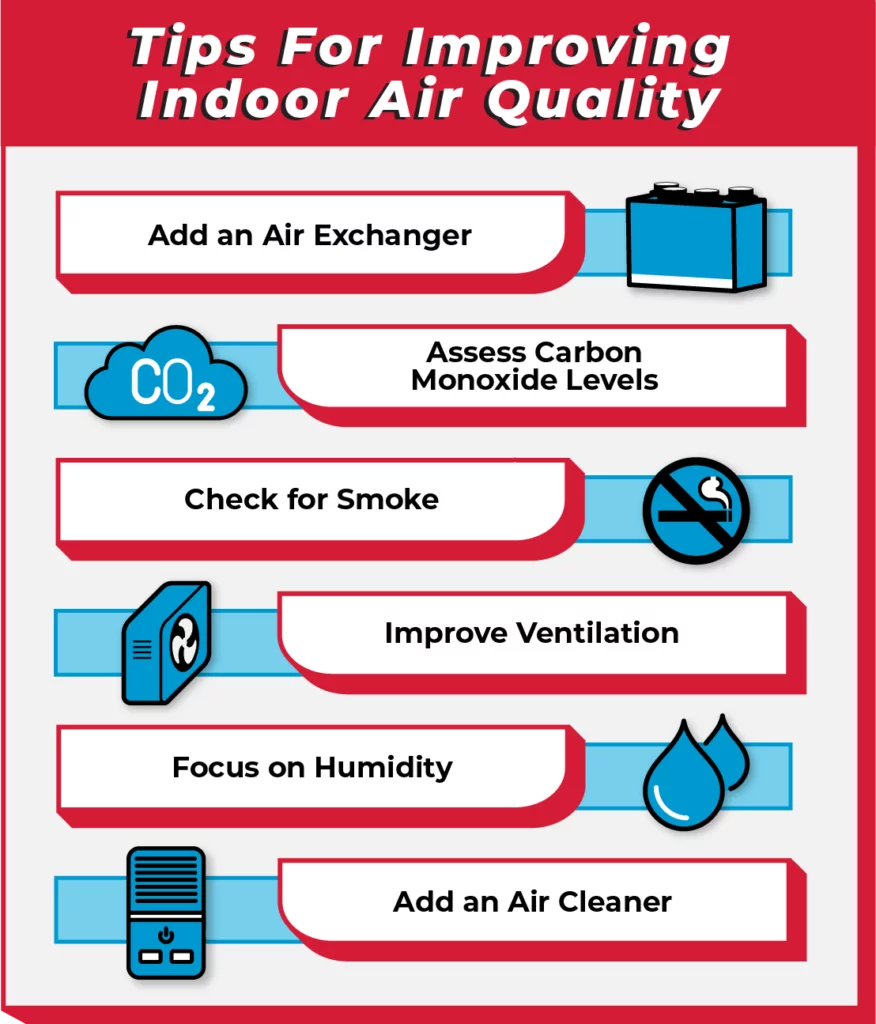
Watch Out for Sneaky Pollutants (Source Control!)
Sometimes, we accidentally add things to our air without realizing it. Things like:
- Scented Candles & Air Fresheners: While they smell nice, many release VOCs into the air. Try diffusing essential oils or just opening a window instead.
- Harsh Cleaning Products: Look for eco-friendly or natural alternatives. Vinegar and baking soda are surprisingly powerful!
- Cooking Fumes: Always use your kitchen range hood when cooking, especially when frying or grilling. It sucks up those cooking byproducts that can linger.
- Smoking: This one's a biggie. If you or someone in your home smokes, try to do it outdoors.
It's about being mindful of what we bring indoors. Are those scented plug-ins making things better, or just adding another layer of chemicals to breathe?
The Air Purifier Pal (When You Need a Little Extra Help)
If you live in an area with high outdoor pollution, have severe allergies, or just want an extra layer of protection, a good air purifier can be a fantastic addition. Look for models with HEPA filters, as they are brilliant at capturing particles. Some also come with activated carbon filters, which are great for gases and odors.
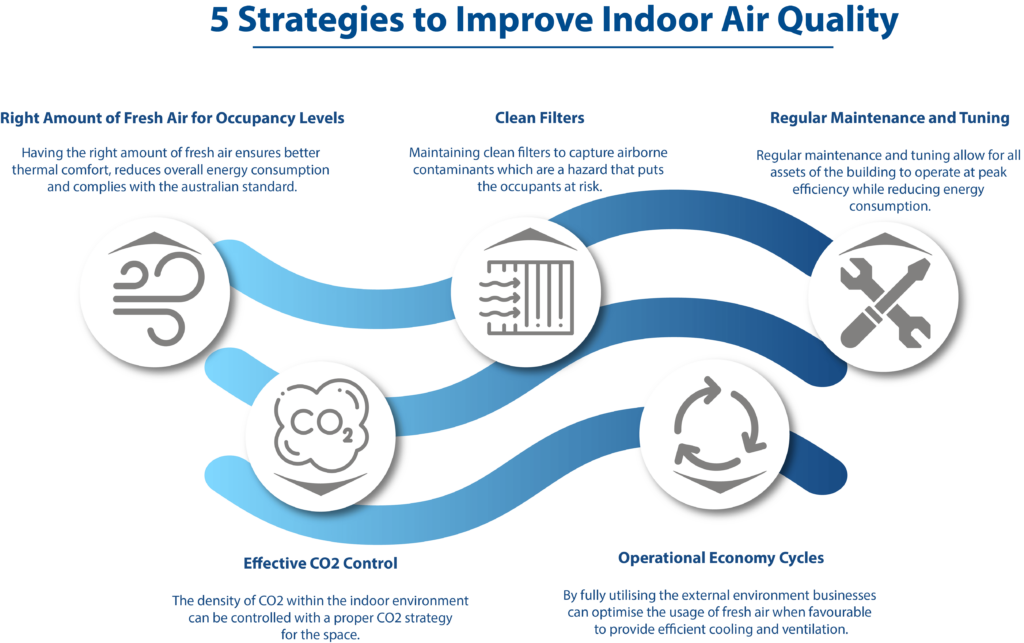
Think of an air purifier like a diligent little assistant, constantly scrubbing your air clean in a specific room. It's not a magic bullet for all indoor air quality issues, but it's a powerful ally.
The Takeaway: Breathe Easy!
Improving your air quality isn't about making radical, complicated changes overnight. It’s about becoming a bit more aware and making small, consistent efforts. Every open window, every plant you nurture, every conscious cleaning choice, and every moment you choose to reduce indoor pollutants adds up.
You have more control over the air you breathe than you might think. So go ahead, take a deep breath. Feels good, doesn't it? Here's to clearer air and a healthier, happier you!