
How Can I Convert 110v To 220v

Ever found yourself staring at a shiny new gadget, or maybe a beloved appliance from overseas, only to realize it's a 220v beast while your home is firmly planted in the 110v camp? It’s like bringing a fancy European car to an American gas station and realizing it needs a different kind of fuel. Panic sets in, followed by visions of sparks, smoke, and a hefty repair bill. But don't you worry your pretty little head! Converting 110v to 220v isn't some dark art practiced by mad scientists. It's actually quite manageable, and we're going to walk through it with a few chuckles along the way.
Why Does Voltage Even Matter?
Think of electricity like water flowing through a pipe. Voltage is the "pressure" pushing that water. In North America and a few other places, we generally use 110-120 volts (lower pressure). Much of the rest of the world, including Europe, Asia, and Africa, uses 220-240 volts (higher pressure). Trying to run a device designed for high pressure on low pressure is like trying to fill a swimming pool with a garden hose on a drip setting – it'll be slow, inefficient, or just won't work. On the flip side, putting high pressure through a low-pressure device... well, that’s how you get fireworks, and not the fun kind.
I once saw a friend plug a 220v European hair dryer directly into a 110v American outlet. The result? A sad, pathetic whimper from the dryer, followed by a faint burning smell. It was like watching a racehorse try to run a marathon with flat tires. Not ideal.
Must Read
The Hero You Need: The Step-Up Transformer
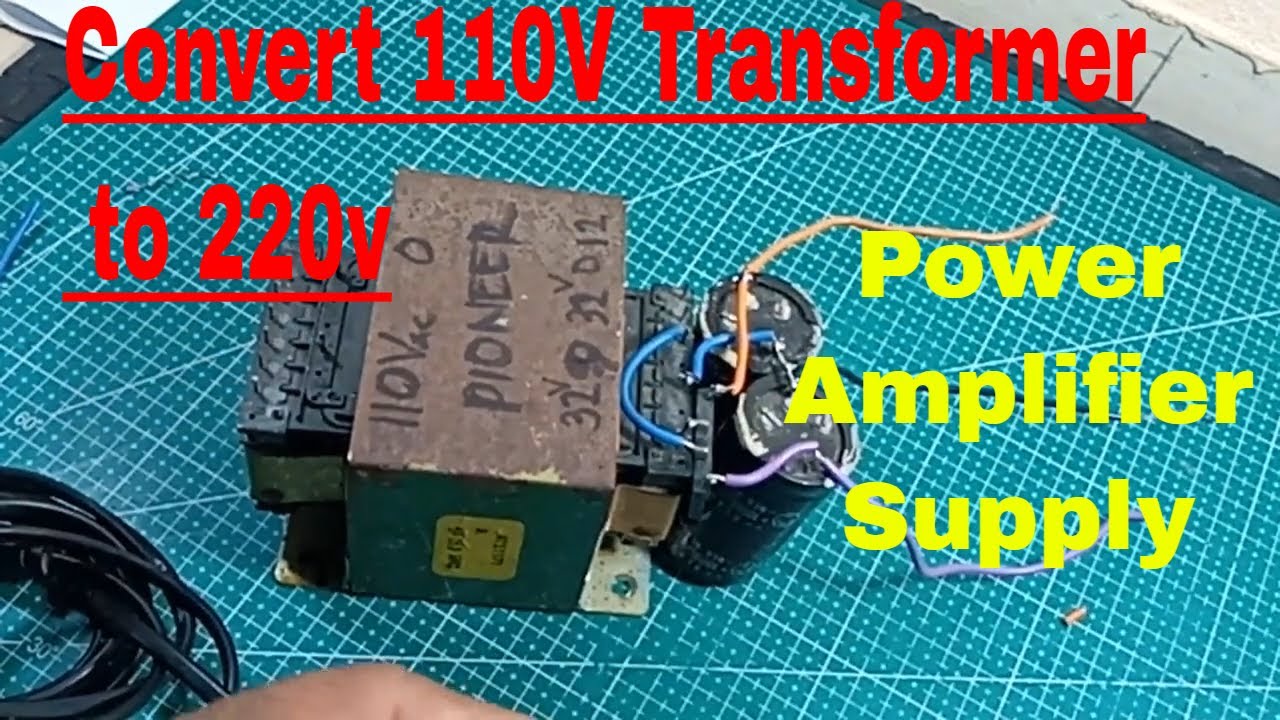
This is your main player in the 110v-to-220v conversion game. A step-up transformer is essentially an electrical translator. It takes your standard 110v wall power and "steps it up" to 220v, making your foreign gadget feel right at home. It’s like giving your delicate opera singer an amplification system so everyone can hear their beautiful voice.
Imagine you've just brought back an amazing, artisanal 220v coffee grinder from your trip to Italy. You plug it into your new step-up transformer, plug the transformer into your 110v wall, and voilà! Freshly ground beans, no drama.

What to Look For in a Transformer: Don't Skimp on Watts!
This is where things get a little technical, but don't worry, it's like picking the right size shoe. Every electrical device has a wattage rating (W), which tells you how much power it consumes. Your transformer needs to be able to handle at least that much power.
Always aim for a transformer with a wattage capacity significantly higher than the device you're powering. If your fancy coffee grinder is 500W, get a transformer that's 750W or even 1000W. Think of it as overhead – you want your transformer to have plenty of breathing room, not be constantly struggling at its limit. Trying to run a marathon on an empty stomach rarely ends well, right?

Pro tip: For appliances with heating elements (kettles, toasters, hair dryers – basically anything that gets hot!), you'll need a much higher wattage transformer. These guys are power hungry.
The Smart Traveler's Secret: Dual Voltage Devices
Sometimes, you don't need a converter at all! Many modern electronics, especially chargers for laptops, phones, and even some hair dryers, are dual voltage. This means they're designed to work happily on both 110v and 220v. They're the chameleons of the electrical world, adapting effortlessly.
How do you spot these clever creatures? Look at the label on your device or its power adapter. You'll often see something like "Input: 100-240V ~ 50/60Hz". If you see that range, you're golden! All you need is a simple physical plug adapter to fit the prongs into your wall socket – not a voltage converter or transformer. It's like having a universal remote for your TV, just simpler.
I once bought a fabulous travel iron in Germany, convinced I'd need a hefty converter. Turns out, it was dual voltage! A cheap little prong adapter later, and my shirts were perfectly pressed in my 110v home. It felt like I'd won the lottery, but for laundry.
When to Just Say "Nope" and Buy New
Sometimes, converting isn't worth the hassle or the cost. Large, high-wattage appliances like washing machines, ovens, or even some very powerful vacuum cleaners are often best bought locally. The transformers needed for these can be incredibly bulky, expensive, and sometimes even noisy. It’s like trying to put a bus engine in a mini-cooper – theoretically possible, but practically absurd and probably not worth it.
For smaller items with heating elements, like a simple kettle or toaster, you might find it cheaper and easier to just buy a new 110v version. Unless that European kettle has some sentimental value or a secret self-stirring feature, a local one will do the job without needing a personal electrical bodyguard.
Safety First, Always!
No matter what method you choose, always prioritize safety.
- Read the instructions for your transformer carefully.
- Make sure the transformer is rated for more wattage than your device.
- Don't overload your outlets.
- If something smells funny, looks smoky, or makes alarming noises, unplug it immediately! This isn't a cooking show where "a little smoke is flavor."
Converting 110v to 220v doesn't have to be a daunting task. With a little understanding and the right gear, you can power up your international treasures safely and efficiently. So go forth, connect your gadgets, and enjoy your perfectly powered life – no sparks, no drama, just smooth, sweet electricity. You got this!