
How Can Countries Reduce Their Carbon Footprint
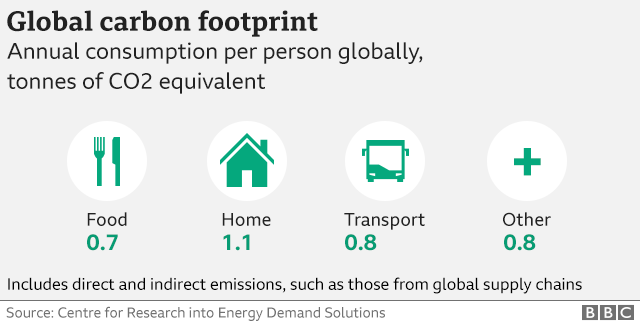
Let's be real, we all know the planet is feeling a little… under the weather. And while saving the world might seem like a job for superheroes (cape not included), the truth is, countries can – and must – drastically reduce their carbon footprint. But how? Buckle up, because we're diving into some surprisingly cool and effective ways to shrink that footprint, one national policy at a time.
Power Up with Renewables: Goodbye, Fossil Fuels!
Think of it like this: fossil fuels are like that friend who always brings the drama. It's time to break up! Renewable energy sources, like solar, wind, and hydro, are the new, chill, and sustainable besties. Countries that invest heavily in these alternatives are setting themselves up for a cleaner, greener future. Germany's Energiewende (energy transition) is a great example, pushing for a massive shift to renewables. Imagine vast solar farms shimmering in the desert, or wind turbines gracefully spinning on hillsides. It's not just eco-friendly; it's aesthetically pleasing too!
Did you know? The Sahara Desert has the potential to generate enough solar energy to power the entire world! Talk about a bright idea!
Must Read
Transportation Transformation: Ditch the Gas Guzzler
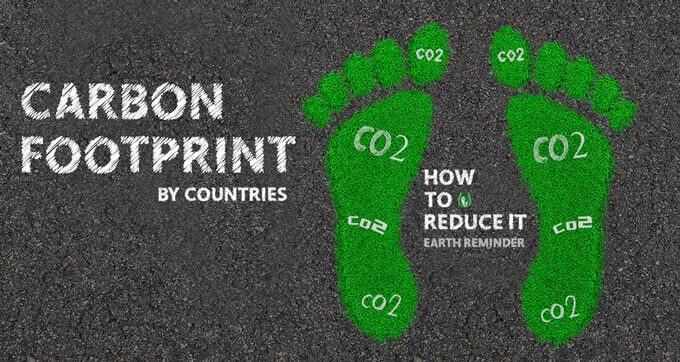
Cars are cool, but all that exhaust? Not so much. Countries can incentivize the use of electric vehicles (EVs) by offering tax breaks, subsidies, and building out charging infrastructure. Imagine cities buzzing with silent, emission-free cars. Think Tesla, but multiplied by millions! Plus, investing in public transportation, like high-speed rail and efficient bus networks, encourages people to leave their cars at home. Japan's Shinkansen (bullet train) is a prime example, connecting major cities with speed and minimal environmental impact. Who needs a plane when you can zoom across the countryside in style?
Practical Tip: Lobby your local representatives for better public transportation options. Every voice counts!
Greening the Grid: Smart Energy Management
It’s not just about where the energy comes from, but how we use it. Smart grids, which use digital technology to manage electricity demand and distribution, can help reduce energy waste and improve efficiency. Think of it as a super-efficient energy concierge, making sure every electron goes where it needs to go, without any detours or unnecessary expenditures. Moreover, upgrading buildings with energy-efficient insulation, windows, and appliances can significantly reduce energy consumption.
Rethinking Agriculture: Sustainable Farming Practices
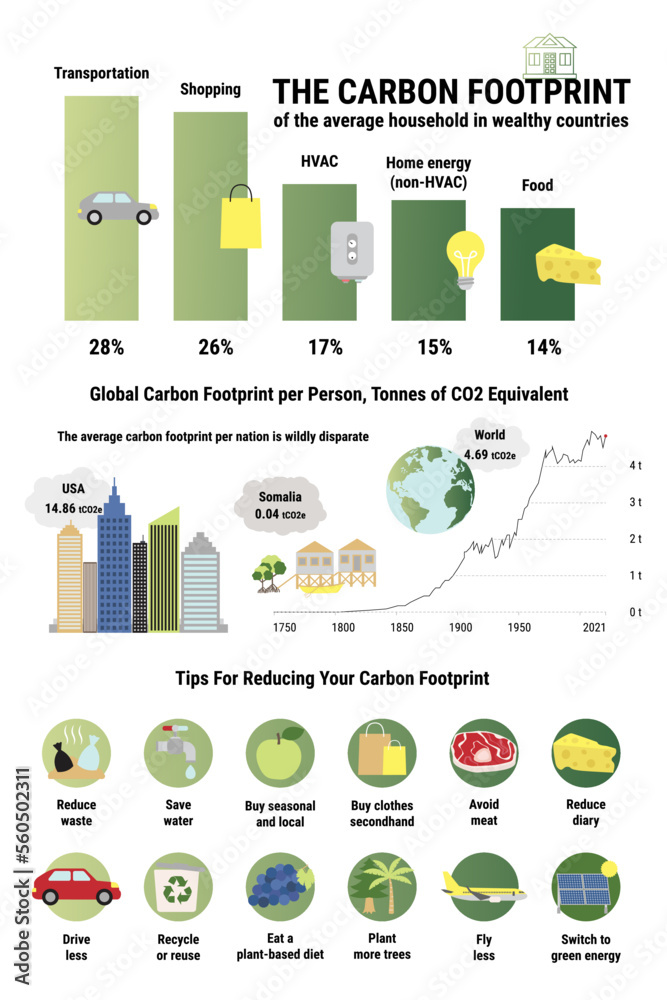
Agriculture is a big player in greenhouse gas emissions, but it doesn't have to be! Sustainable farming practices, like crop rotation, reduced tillage, and organic farming, can help sequester carbon in the soil and reduce the need for synthetic fertilizers. Think of it as giving the earth a big, nutritious hug. Plus, promoting plant-based diets can significantly reduce the demand for meat, which has a much higher carbon footprint than plant-based foods.
Fun Fact: Cows are a major source of methane, a potent greenhouse gas. Eating less beef can actually make a difference!
Embrace the Circular Economy: Reduce, Reuse, Recycle (and Rethink!)
The linear "take-make-dispose" model is so last century. It's time to embrace the circular economy, where resources are kept in use for as long as possible, reducing waste and pollution. This means designing products that are durable, repairable, and recyclable. Countries can incentivize businesses to adopt circular practices through regulations, subsidies, and public awareness campaigns. Think about your phone. Is it designed to last, or designed to be replaced? This is the kind of question that needs to be asked!
Protecting and Restoring Ecosystems: Nature is Our Ally
Forests, wetlands, and oceans are natural carbon sinks, absorbing carbon dioxide from the atmosphere. Countries must protect these ecosystems from deforestation, pollution, and degradation. Reforestation efforts, like planting trees and restoring degraded lands, can help sequester carbon and enhance biodiversity. Think of it as giving nature a helping hand, allowing it to do what it does best: keep our planet healthy.
Cultural Reference: The concept of Satoyama in Japan, where people sustainably manage forests and agricultural land, shows how humans and nature can coexist harmoniously.
Ultimately, reducing a country's carbon footprint is a complex challenge that requires a multi-faceted approach. It's not just about technological solutions; it's about changing mindsets, promoting sustainable behaviors, and fostering a sense of collective responsibility.
Final Thought: How can you contribute? Maybe it's biking to work, reducing your meat consumption, or simply being more mindful of your energy usage. Small changes, multiplied by millions, can make a world of difference. Let's all do our part to create a cleaner, greener, and more sustainable future. After all, we only have one planet. Let's treat it right!
