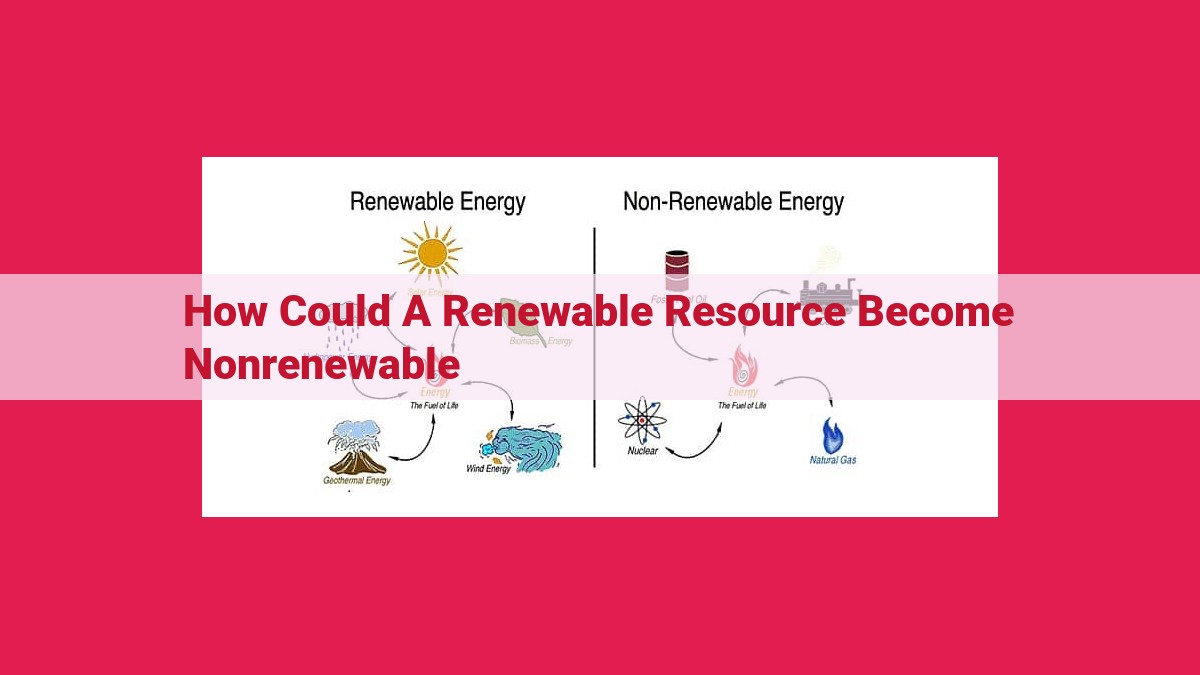
How Can A Renewable Resource Become Nonrenewable
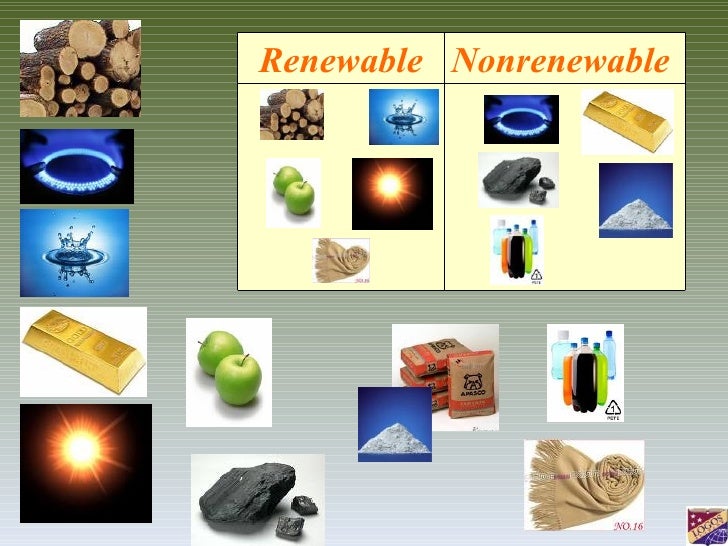
Okay, let's be honest. We all love the idea of renewable resources. Sunshine! Wind! Water! It sounds so clean and... well, renewable! Like a never-ending pizza buffet of energy. But, whisper it quietly, what if I told you that even these "forever" resources can actually, kinda, sometimes, become... not so renewable?
The Sun's Tantrum (and other solar problems)
The sun itself? Yeah, that's probably going to be around for a while. But solar panels? Not so much. Think about it. They're made of stuff. Stuff that needs to be mined, processed, and shipped across the globe. And that stuff? Not always the most earth-friendly. Plus, what happens when your trusty solar panel kicks the bucket? It becomes e-waste. A mountain of shiny, silicon-y sadness. Recycling helps, sure, but even that requires energy.
So, are we just swapping one problem for another? Maybe a little. It’s like trading in your gas-guzzler for an electric car…but then driving that electric car solely by charging it with electricity generated by coal. The intentions are good, but sometimes the execution? Eh, less so.
Must Read
Wind Power... Gone with the Wind (Turbine Graveyard)
Wind farms. Majestic, spinning giants harnessing the power of the breeze. Sounds idyllic, right? Except, those turbines aren't going to last forever. And when they reach the end of their lifespan (usually around 20-25 years), what happens? They become giant, fiberglass paperweights. And they are very hard to recycle.
We are talking about blades longer than some airplanes. Sticking them in landfills isn’t pretty, and neither is the environmental impact of creating new ones. It's a bit like saying you’re going to eat healthier by switching to organic potato chips. Technically, you're eating organic... but you're still eating potato chips!

Hydro Hijinks: Damming the Consequences
Ah, hydropower. A classic renewable! Just dam a river, spin a turbine, and boom – electricity! Except...rivers are actually pretty important. Fish like them (for, you know, living). So do other animals. And entire ecosystems depend on the natural flow of water. Dams can disrupt all of that. They can change water temperature, sediment flow, and even cause erosion. All those things can affect the habitat. So, while the water itself might be "renewable," the damage done to the surrounding environment? Not so much.
Imagine building a beautiful water feature in your garden. It runs on a solar pump (yay, renewable!). But to build it, you had to bulldoze half your flowerbeds, relocate a family of squirrels, and accidentally poison your neighbor's prize-winning roses. Sure, the water is flowing, but at what cost?
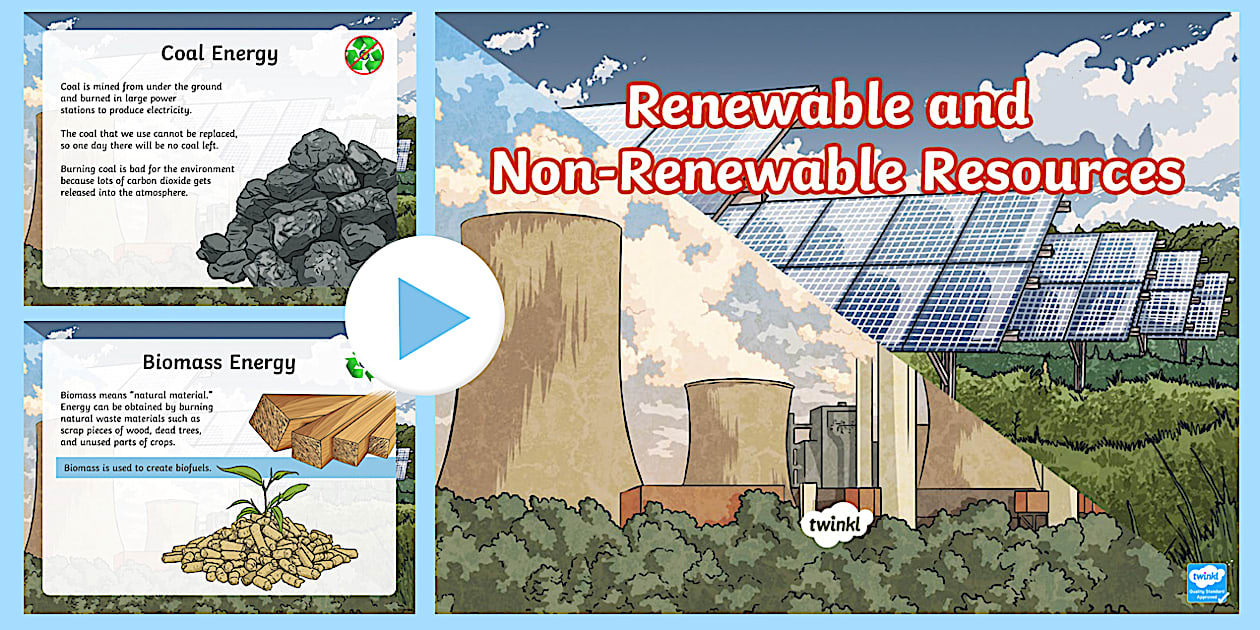
The "Sustainable" Swindle
Okay, okay, I’m being a bit dramatic. Renewables are still way better than relying solely on fossil fuels. The point is, nothing is truly without impact. We need to be realistic and understand the full lifecycle of these technologies. We can't just slap a "renewable" label on something and call it a day.
The earth has a finite amount of resources. Even if the energy source is renewable, the materials to capture and convert that energy are not! It's about being smarter, more efficient, and more mindful of the entire process, not just the buzzwords.

So, the next time someone tells you something is "100% renewable," maybe raise an eyebrow. Ask some questions. Because sometimes, the emperor is wearing renewable clothes... made of non-renewable materials, stitched together with unsustainable practices.
Now if you excuse me, I am going to go eat my organic, locally sourced (but plastic-wrapped) kale chips.