How Big Should Ceiling Fan Be

There's something undeniably captivating about a ceiling fan. It's more than just an appliance; it's a silent sentinel of comfort, a graceful dancer overhead, and a vital player in creating the perfect ambiance for your living space. But have you ever paused to consider the art and science behind its selection, specifically, the age-old question: How big should a ceiling fan be? Far from being a mundane decision, choosing the right size is a delightful dive into design, physics, and personalized comfort, transforming a simple purchase into an act of thoughtful home curation.
For anyone looking to optimize their home environment – from the seasoned interior decorator to the budding DIY enthusiast, or simply someone yearning for a more pleasant living room – understanding fan sizing offers a surprising wealth of benefits. Firstly, it ensures optimal airflow. A fan too small for a vast room will feel like a mere whisper, failing to circulate air effectively. Conversely, an oversized fan in a snug space can create an overwhelming gale, not to mention look disproportionate. Getting it just right means enjoying a gentle, consistent breeze that makes your home feel naturally cooler and fresher. Secondly, it contributes significantly to energy efficiency. A properly sized fan works less to achieve the desired effect, saving you money and reducing your carbon footprint. Finally, and perhaps most importantly, it enhances your home's aesthetic harmony. A perfectly proportioned fan looks like it belongs, completing the room's story rather than clashing with it.
Think of it like selecting the perfect piece of jewelry for an outfit, or the right-sized canvas for a masterpiece. For a cozy bedroom nook or a compact home office (up to 75 sq ft), a smaller fan, perhaps with 30-36 inch blades, provides a soothing personal breeze. Imagine a gentle hum as you drift to sleep or focus on your work. Moving to a standard bedroom or dining room (76-144 sq ft), a 42-48 inch fan becomes the ideal companion, ensuring ample air movement without being intrusive. Now, for the grand stage of a spacious living room or master suite (145-225 sq ft), a 50-54 inch fan takes center stage, orchestrating a symphony of comfort. And for truly expansive great rooms or outdoor patios (over 225 sq ft), you might even consider a majestic 60-72 inch fan, designed to command large volumes of air with effortless grace. The variations don't stop there; consider blade pitch, motor efficiency, and ceiling height – each playing a role in the fan's performance and presence.
Must Read
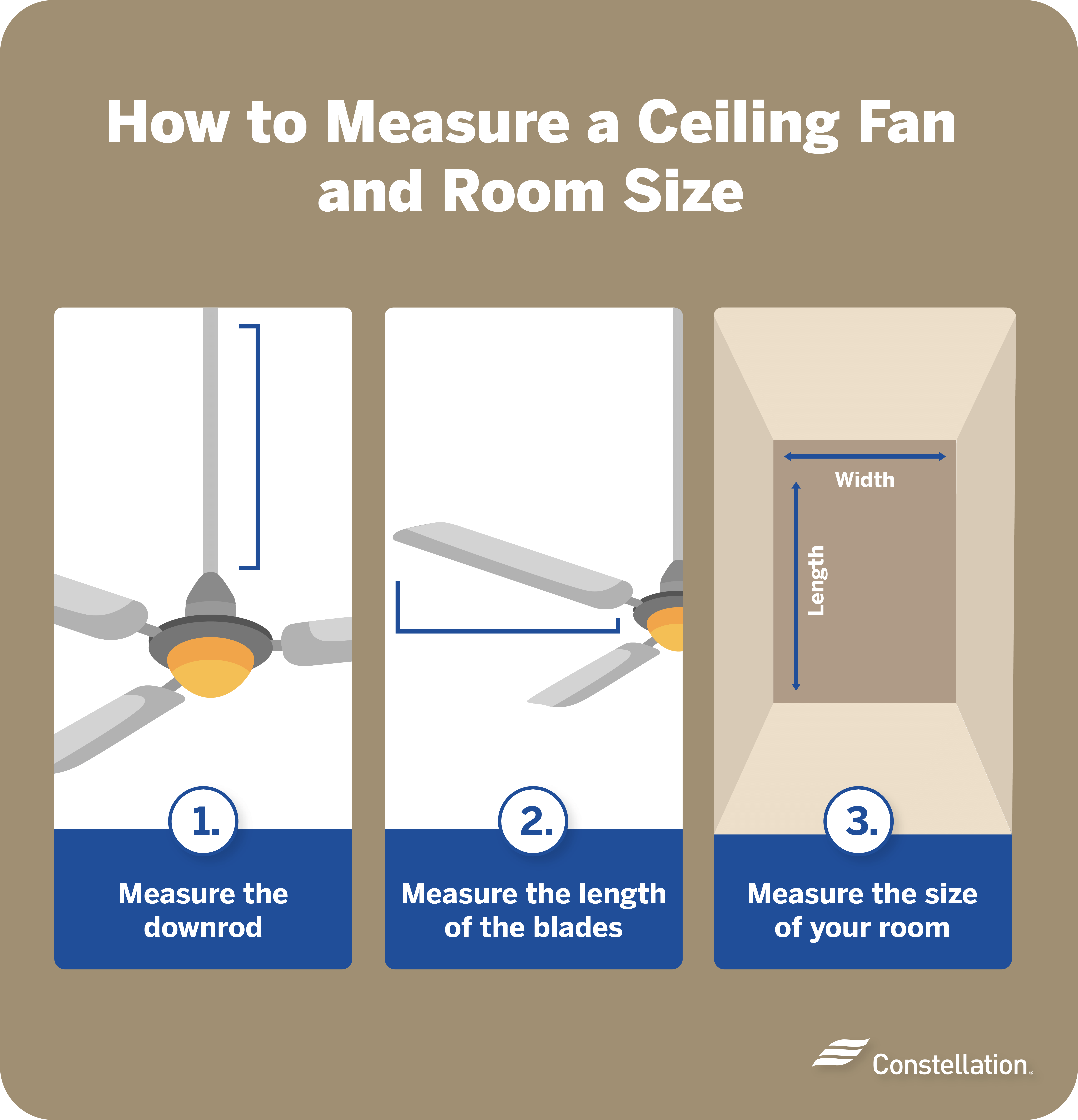
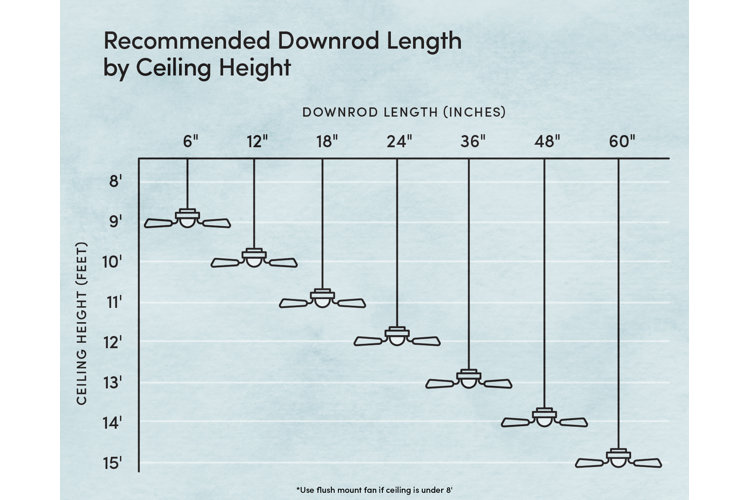
Ready to try this design wizardry at home? It’s wonderfully simple! First, measure your room's square footage (length x width). This is your starting point. Next, consider your ceiling height; rooms with higher ceilings (over 9 feet) might benefit from longer downrods to bring the fan closer to the living space. Most fan manufacturers provide clear sizing recommendations based on square footage, making your choice straightforward. Don't be afraid to envision the fan in your space; sometimes a slightly larger or smaller fan than strictly recommended might fit your room's personality better. Trust your eye, but let the measurements guide you.
Ultimately, choosing the right ceiling fan size is about more than just numbers; it's about crafting a personal sanctuary where comfort reigns supreme. It's a delightful process that empowers you to fine-tune your environment, ensuring every breeze is just right, every look is just so. The satisfaction of a perfectly chosen, perfectly performing fan is a quiet joy, making your home not just a place to live, but a truly enjoyable haven.