How Big Of A Window Air Conditioner Do I Need
Okay, picture this: it's July, you're working from home, and your brain feels like it's slowly melting into your keyboard. You bought a window AC unit online, thinking, "Eh, close enough." But now? Now you're sweating buckets while that little guy hums away, seemingly completely unfazed by the sweltering heat. It’s like trying to cool a sauna with a hamster-powered fan. Been there, done that, bought the oversized t-shirt to mop up the sweat. The lesson? Size matters, my friend. When it comes to window AC units, getting the right size is crucial. (And yes, I’m talking about ACs here, so keep your minds out of the gutter!)
So, how do you avoid my past mistakes and actually stay cool this summer? Let's dive into the surprisingly fascinating world of BTU calculations and AC sizing. Don't worry, it's not rocket science (unless you are a rocket scientist, in which case, hi!).
What's a BTU Anyway? And Why Should I Care?
BTU stands for British Thermal Unit. Seriously. It's basically a measurement of how much heat an air conditioner can remove from a room per hour. The higher the BTU rating, the more powerful the AC. Think of it like horsepower for coolness. More BTUs = more chill. (See what I did there?).
Must Read
Why should you care? Because an AC unit that's too small won't be able to cool your room effectively. It'll run constantly, wasting energy and probably giving you a hefty electricity bill without actually keeping you comfortable. On the flip side, an AC unit that's too big will cool the room too quickly, which sounds great, right? Wrong! It won't dehumidify properly, leaving you with a clammy, uncomfortable space. Plus, it'll cycle on and off frequently, which is also inefficient and can shorten the lifespan of the unit. Talk about a lose-lose situation!
The Magic Formula (Kind Of)
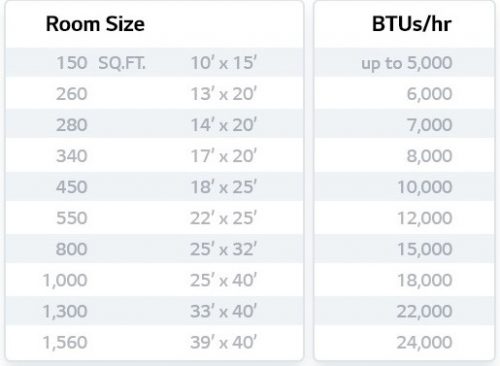
Alright, let's get down to the nitty-gritty. The general rule of thumb is 20 BTU per square foot of living space. So, measure your room (length x width), and then multiply that number by 20. Boom! That's your starting point.

For example, if your room is 10 feet by 12 feet, that's 120 square feet. 120 x 20 = 2400 BTU. So, a 2400 BTU air conditioner would be a good starting point. Easy peasy, right?
But wait! There's more! (Said in my best infomercial voice).
That 20 BTU/square foot rule is just a starting point. Several other factors can influence the ideal BTU rating for your room.

Factors That Can Throw Off Your BTU Calculation
Here are some things to consider that can affect how much cooling power you really need:
- Sun Exposure: Does your room get blasted by sunlight all day? Add 10% to your BTU calculation. A room with lots of sun needs more cooling power.
- Shady Situation: Is your room mostly shaded? Subtract 10% from your BTU calculation. Lucky you, you'll need less cooling power.
- Kitchen Calamity: Are you cooling a kitchen? Add 4,000 BTU. Cooking generates a lot of heat, so you'll need extra cooling power.
- How Many People?: Are you regularly cooling a room with more than two people? Add 600 BTU for each additional person. Human beings are walking heaters, apparently.
- Tall Ceilings: Got high ceilings? The square footage formula doesn’t work so well, you'll need to calculate the volume of the room (length x width x height) and adjust accordingly. A good rule is to increase the BTU per square foot ratio. Consult a professional, if you’re unsure!
So, let's revisit our example. Say that 10x12 room gets a ton of sunlight all day, and you frequently have friends over. We started with 2400 BTU. We need to add 10% for the sun (240 BTU) and, say, 1200 BTU for two extra people. That brings our total up to 3840 BTU. In this case, you'd probably want to round up to a 4000 BTU unit.
When in Doubt, Round Up (Slightly)
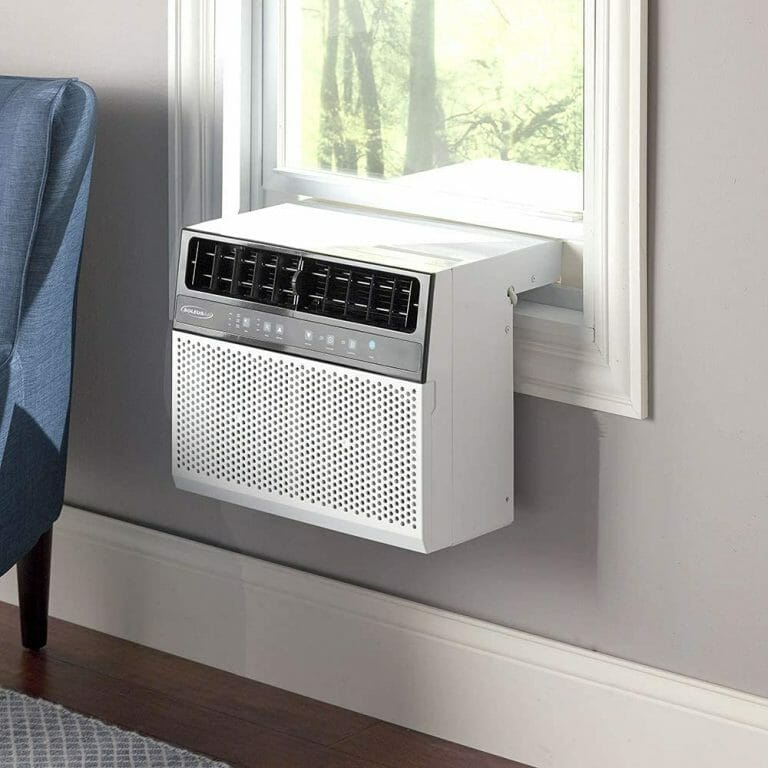
If you're stuck between two sizes, it's generally better to err on the side of slightly larger rather than too small. A slightly oversized unit will be more effective at cooling your room, even if it cycles on and off a bit more frequently. However, don't go overboard! An excessively large unit will be inefficient and uncomfortable, as we already discussed.
One final tip: Check the Energy Efficiency Ratio (EER) of the AC unit. This number tells you how efficiently the unit uses energy. The higher the EER, the more efficient the unit. Look for units with an EER of 10 or higher to save money on your electricity bill. Nobody wants to cool their home and break the bank.
Choosing the right window AC size doesn't have to be a daunting task. By understanding BTU ratings, considering the factors that influence cooling needs, and rounding up when necessary, you can ensure that you stay cool and comfortable all summer long. Now, go forth and conquer the heat! You got this! (And if you're still unsure, maybe call an HVAC professional. They're the experts, after all!)