
How Big Of A Sump Pump Do I Need
:max_bytes(150000):strip_icc()/sump-pump-maintenance-for-the-home-4125779-hero-c3cb96bc5fa942709272cec322d4a2c9.jpg)
Picture this: a cozy Saturday morning, rain drumming gently against the windowpane, a steaming mug of coffee in hand. Sounds idyllic, right? Unless, that is, your basement has a habit of turning into an unwelcome swimming pool whenever Mother Nature decides to really let loose. That's where our unsung hero, the sump pump, steps in. It's the silent guardian of your dry haven, but choosing the right one can feel a bit like deciphering an ancient scroll.
You’re probably wondering, "How big of a sump pump do I really need?" It’s a fantastic question, and one that doesn't have a simple, one-size-fits-all answer. Think of it like ordering pizza – a personal pan just won't cut it for a Super Bowl party, and a party-size pizza might be overkill for a quiet night in. It’s all about finding that just right fit for your home’s unique personality and predisposition to H2O woes.
Your Home's Unique "Water Footprint"
Before diving into horsepower and GPM (gallons per minute, for the uninitiated!), let's chat about your home. Every house has its own story when it comes to water, much like every person has their own tolerance for spicy food. Several factors play a starring role in determining your ideal sump pump size.
Must Read
First up, consider your basement's size and footprint. Logically, a larger basement means more square footage where water can potentially accumulate. If you live in a sprawling ranch with a massive finished basement, you're going to need a pump with more muscle than someone in a compact city dwelling with a tiny utility space. It’s like the difference between draining a kiddie pool and an Olympic-sized one!
The Great Water Inflow Mystery
Next, we tackle the rate at which water enters your sump pit. This is often the trickiest part to estimate, but it's crucial. Do you live in an area with particularly dense clay soil that prevents water from easily draining away, pushing it towards your foundation? Or perhaps your house is at the bottom of a gentle slope, making it a natural magnet for runoff? These scenarios mean your pump needs to work harder, faster, and longer to keep things dry.
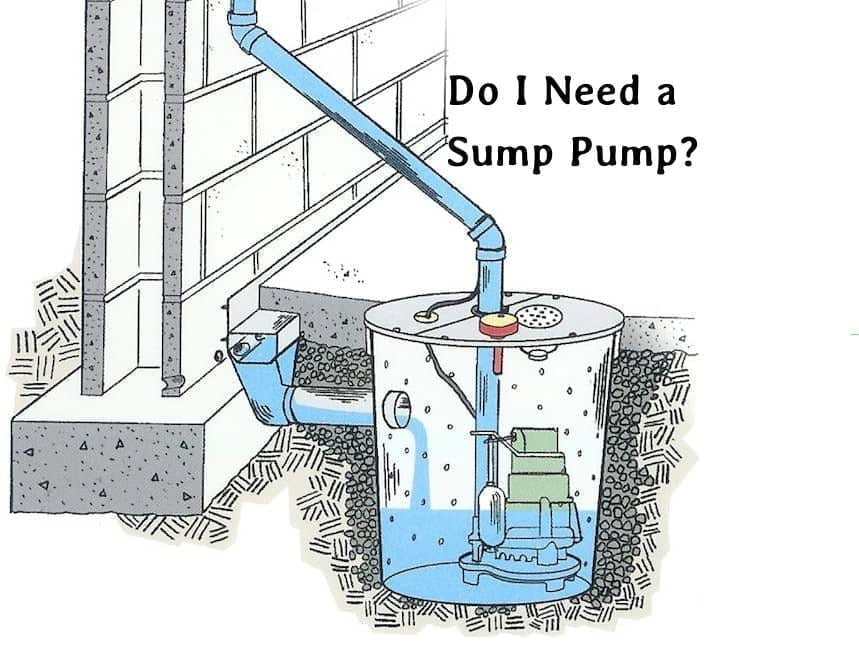
A quick tip: if you've experienced flooding before, that’s your best indicator. How quickly did the water rise? Was it a gentle seep or a rapid inundation reminiscent of a scene from "The Day After Tomorrow"? Your pump needs to be able to handle that peak inflow rate, not just an average dribble. Otherwise, you’re basically bringing a spoon to a snowball fight.
The Vertical Climb: How High is Up?
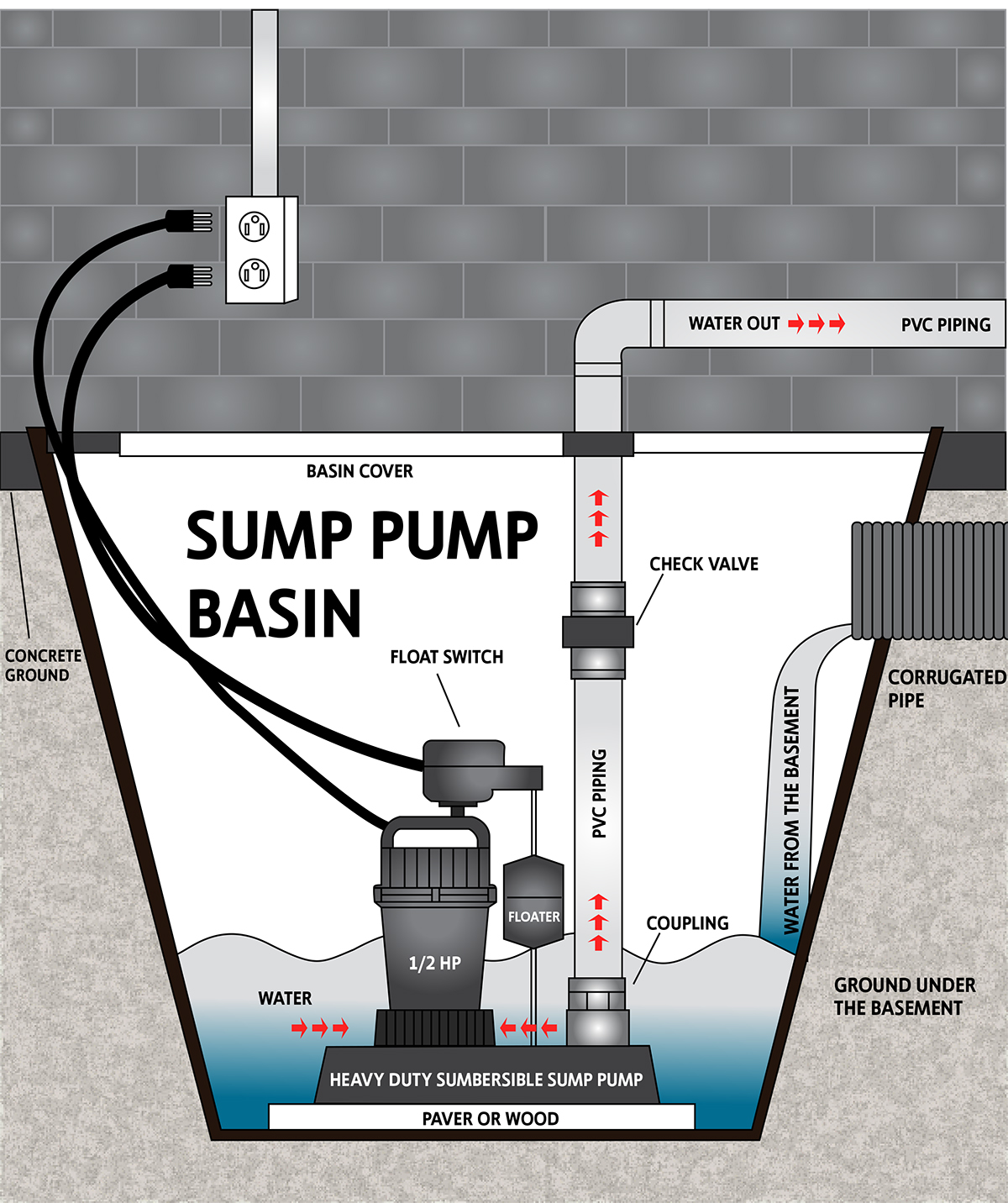
Here's where things get a bit more technical, but still totally manageable: vertical lift, often called "head" in pump jargon. This refers to the vertical distance the pump needs to push the water from the bottom of your sump pit up to the discharge pipe's exit point outside your house. Think of it as the water’s tiny Mount Everest. The higher the lift, the more power (and thus, horsepower) your pump needs to effectively get the job done.
It’s not just about getting it out of the basement, but also the journey across your lawn to a safe discharge point where it won't just flow right back in. Every foot of vertical lift, and even significant horizontal distance, adds resistance and reduces your pump's flow rate. So, measure that vertical distance carefully!
Practical Tips & Horsepower Heroes
Most residential sump pumps hover around 1/3 HP to 1 HP. For many homes with average water issues, a 1/2 HP pump is often the sweet spot, offering a good balance of power and efficiency. But if your home ticks several of those "high risk" boxes (large basement, heavy water inflow, significant vertical lift), bumping up to a 3/4 HP or even 1 HP might be your smartest move.
Don't forget the discharge pipe! Make sure your pump's outlet matches the pipe size – usually 1 1/4" or 1 1/2". Trying to squeeze a high-volume flow through a too-small pipe is like trying to chug a milkshake through a coffee stirrer. You'll reduce your pump's efficiency and potentially shorten its lifespan.
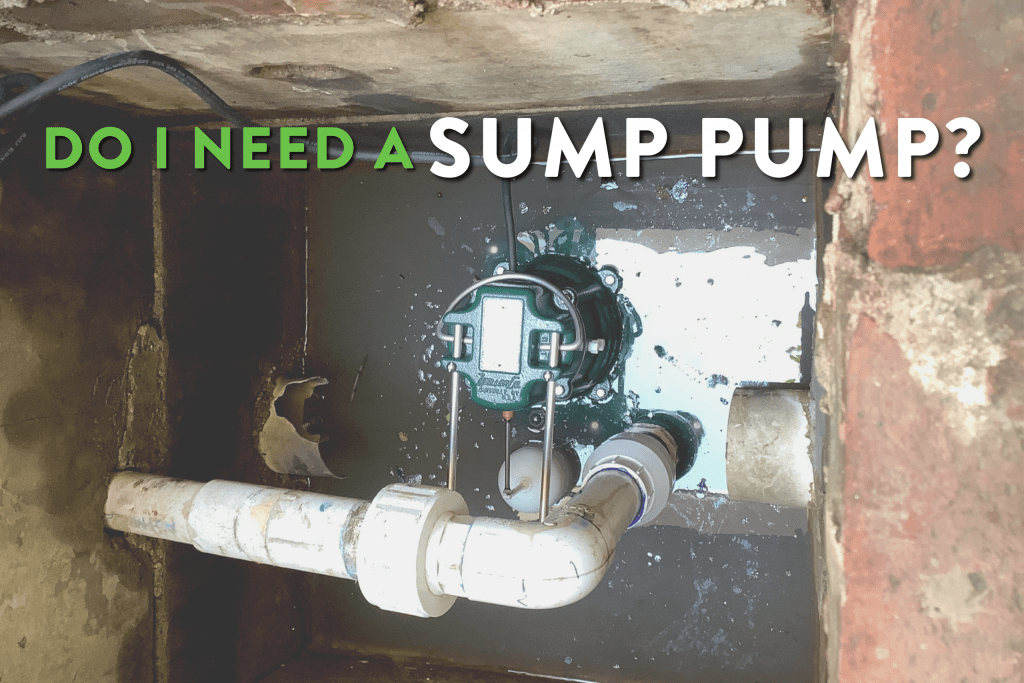
And here’s a pro-tip straight out of a disaster preparedness manual: consider a battery backup sump pump. Even the most powerful primary pump is useless if the power goes out during a storm. A backup is your ultimate peace-of-mind insurance, like having a spare tire, but for your basement. It's truly a game-changer when the lights go out but the rain keeps coming.
Regular maintenance is also key. Periodically test your pump by pouring a bucket of water into the pit to ensure it kicks on. Clean out any debris or sediment that might have accumulated. A well-maintained pump is a happy pump, and a happy pump means a dry basement!
Ultimately, choosing the right sump pump size isn't just about technical specs; it's about safeguarding your home, your belongings, and that invaluable feeling of security. It's about ensuring that when the heavens open up, you can still enjoy that cozy Saturday morning coffee, knowing your silent guardian is on duty, protecting your sanctuary from whatever watery drama might try to unfold. Because in the grand scheme of things, a little proactive planning goes a long way in keeping life's little anxieties at bay, letting you focus on the good stuff.
