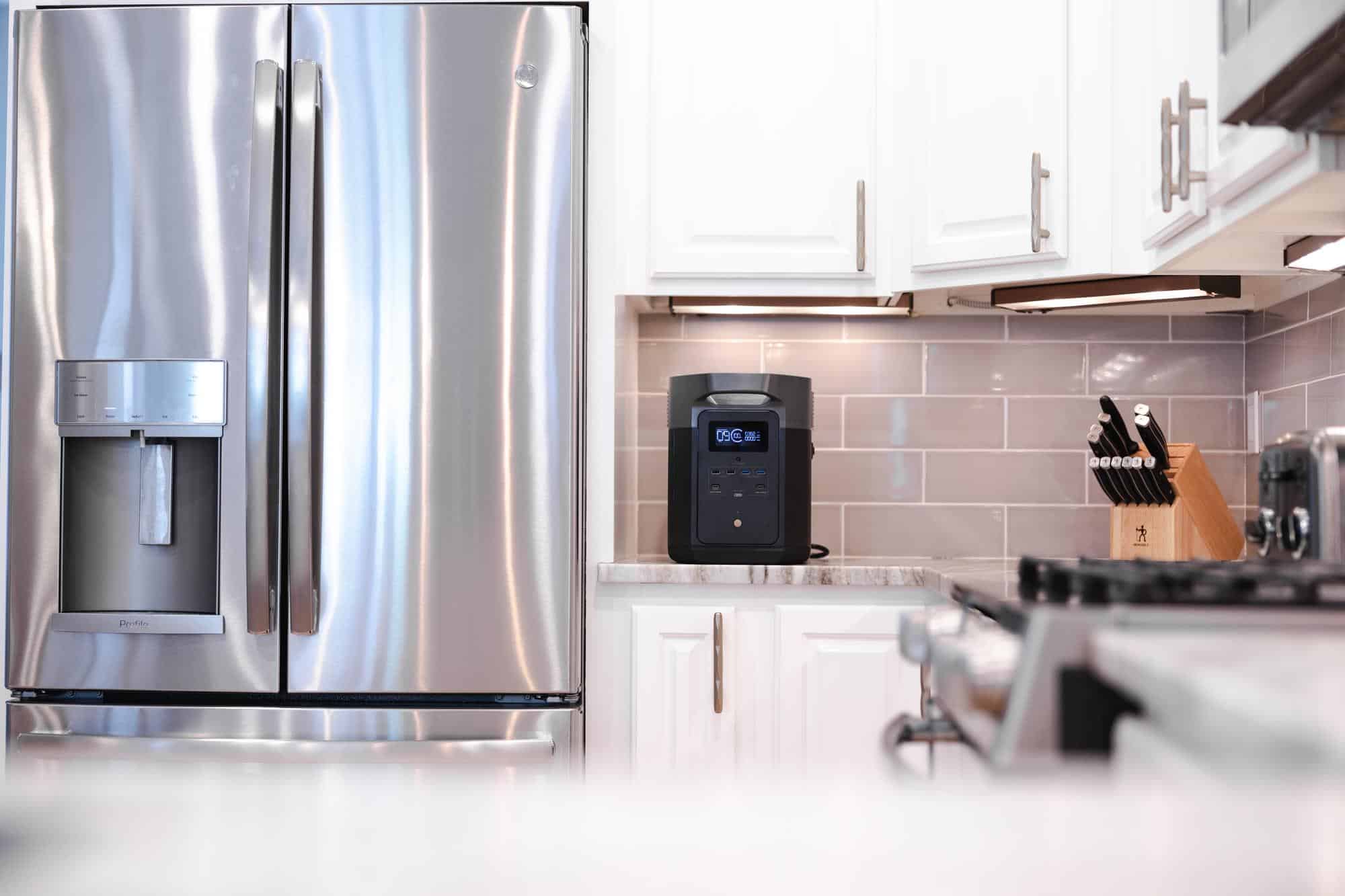
How Big Of A Generator To Run A Refrigerator

Okay, so the power's out again, huh? And all you can think about is that ice cream melting into a sad, sugary soup. Don't panic! Let's talk about getting a generator to rescue your precious perishables. The big question is: How big of a generator do you really need just to keep that refrigerator humming along happily?
Understanding Refrigerator Power Needs (Without Getting Too Technical!)
First, let's demystify this whole electricity thing. Your refrigerator, that unsung hero of the kitchen, needs power to start up and then less power to keep running. Think of it like a car: it needs a big burst of energy to crank the engine, but then just a steady sip of gas to cruise down the highway.
That initial burst is called the starting wattage, and it's the number you really need to pay attention to. The running wattage is what it needs to stay on once it's up and running. Usually, the starting wattage is way higher than the running wattage.
Must Read
Now, where do you find these magical numbers? Look for a sticker! Somewhere on your fridge (usually inside the door or on the back), you'll find a label listing the refrigerator's power consumption. It might be listed in watts (W) or amps (A). If it's in amps, don't sweat! Just multiply the amps by 120 (that's the standard voltage in most homes in the US) to get the wattage. So, if your fridge says it needs 5 amps, that's 5 x 120 = 600 watts.
Finding the Starting Wattage: The Mystery Unfolds!
The sticker might list the starting wattage. If you're lucky, it will! If not, here's a rule of thumb: For most refrigerators, the starting wattage is about three times the running wattage. So, if your fridge runs on 200 watts, it probably needs around 600 watts to start.

But, and this is a big but, older refrigerators, especially those with less efficient compressors, might need even more of a jolt. We're talking maybe four or five times the running wattage. Think of it like an old car that needs a little extra coaxing to get going on a cold morning. You know the type: that old car.
So, How Big of a Generator Do I Actually Need?
Alright, let's get down to brass tacks. Let's say your refrigerator sticker tells you it needs 200 running watts and you suspect a starting wattage of around 600 watts. To be safe, I always like to add a little buffer. It's like adding a sprinkle of extra chocolate chips to your cookies – just makes everything better.
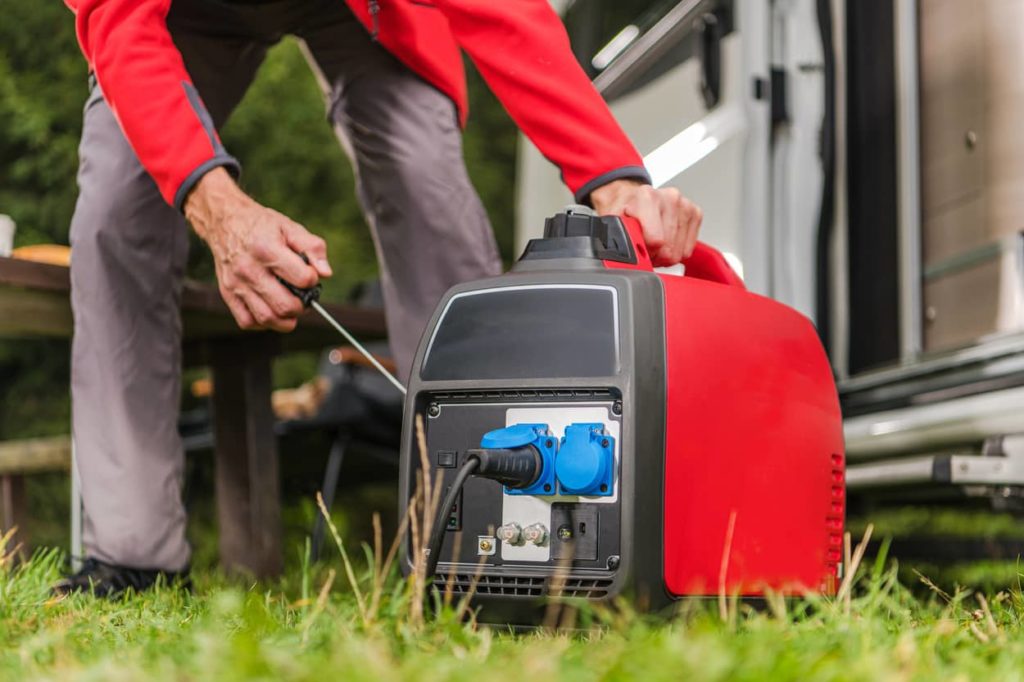
I'd recommend a generator that can provide at least 700-800 watts of continuous power (that's the running wattage it can handle) and at least 1000 starting watts. This gives you some wiggle room and prevents the generator from being stressed out every time the refrigerator's compressor kicks on.
Important! That's just for the refrigerator! If you want to power other things at the same time – like a lamp so you don't trip over the cat in the dark, or your phone charger – you'll need a bigger generator. Each device adds to the overall wattage demand. Adding a light and phone charger is like inviting a couple of friends to the cookie party – you might need a few more cookies.

Also, think about the type of generator. Inverter generators are generally quieter and produce cleaner power, which is good for sensitive electronics. They are often the choice for running refrigerators. Conventional generators are louder and less expensive but can handle the load too.
A Final Word of Advice: Don't Go Overboard!
While it's good to have a little extra power, don't go crazy and buy a generator big enough to power the entire neighborhood. Unless, of course, you want to be the hero of the neighborhood (and pay a fortune in fuel). A generator that's too big for your needs is inefficient and wastes fuel. It is like using a bazooka to open a can of beans. A bit much, right? Find the sweet spot where you can comfortably run your refrigerator and maybe a few other essential items.
So, do a little homework, check your refrigerator's sticker, and add a little buffer. With the right generator, you can keep your food cold and your ice cream frozen, even when the lights go out. Happy generating!