How Big Ceiling Fan Do I Need
Ever walked into a room on a warm day and felt that instant, gentle swirl of cool air from above, making you sigh with contentment? Or perhaps, conversely, endured a stuffy space with a dinky fan just lazily stirring the air directly beneath it? It’s a common experience, and it subtly points to a fascinating, often overlooked question: how big of a ceiling fan do I actually need?
It might sound like a trivial detail, but getting the right-sized ceiling fan is less about aesthetics and more about creating an optimal, energy-efficient living environment. Think of it as a subtle act of home alchemy, transforming stagnant air into a comfortable breeze. The primary purpose of a ceiling fan isn't to cool the air itself – that's your AC's job. Instead, it’s a brilliant device for circulating air, creating a wind-chill effect on your skin, which makes you feel several degrees cooler. This magic means you can often nudge your thermostat up a notch or two, leading to some very happy savings on your energy bill. Beyond comfort, they also help distribute heated air more evenly in winter when run in reverse, preventing heat from pooling uselessly at the ceiling.
So, where does size come into play? Imagine trying to cool a grand ballroom with a fan meant for a walk-in closet. Utterly futile! Conversely, a giant fan overpowering a small powder room would feel like being caught in a mild hurricane. In our daily lives, choosing the right size ensures that every corner of your chosen space benefits. A standard bedroom, for instance, typically thrives with a medium-sized fan (42-48 inches), providing a consistent, gentle flow. For a sprawling open-plan living area or a high-ceilinged great room, you might need a much larger fan (52 inches or more), or even consider installing two to achieve balanced air movement. Even covered outdoor patios, becoming extensions of our living spaces, demand appropriately sized, often larger, damp-rated fans to combat humidity and create a welcoming breeze.
Must Read
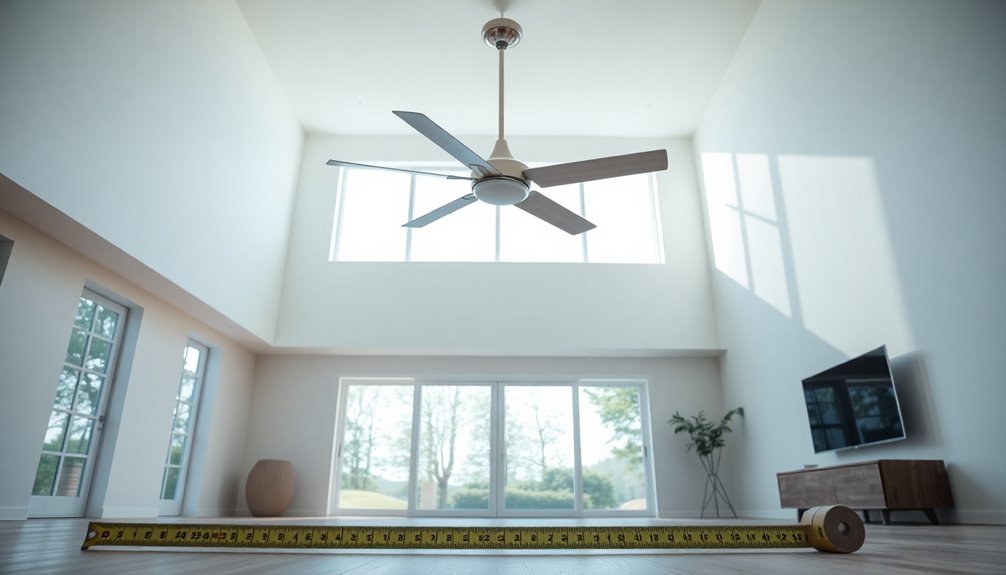
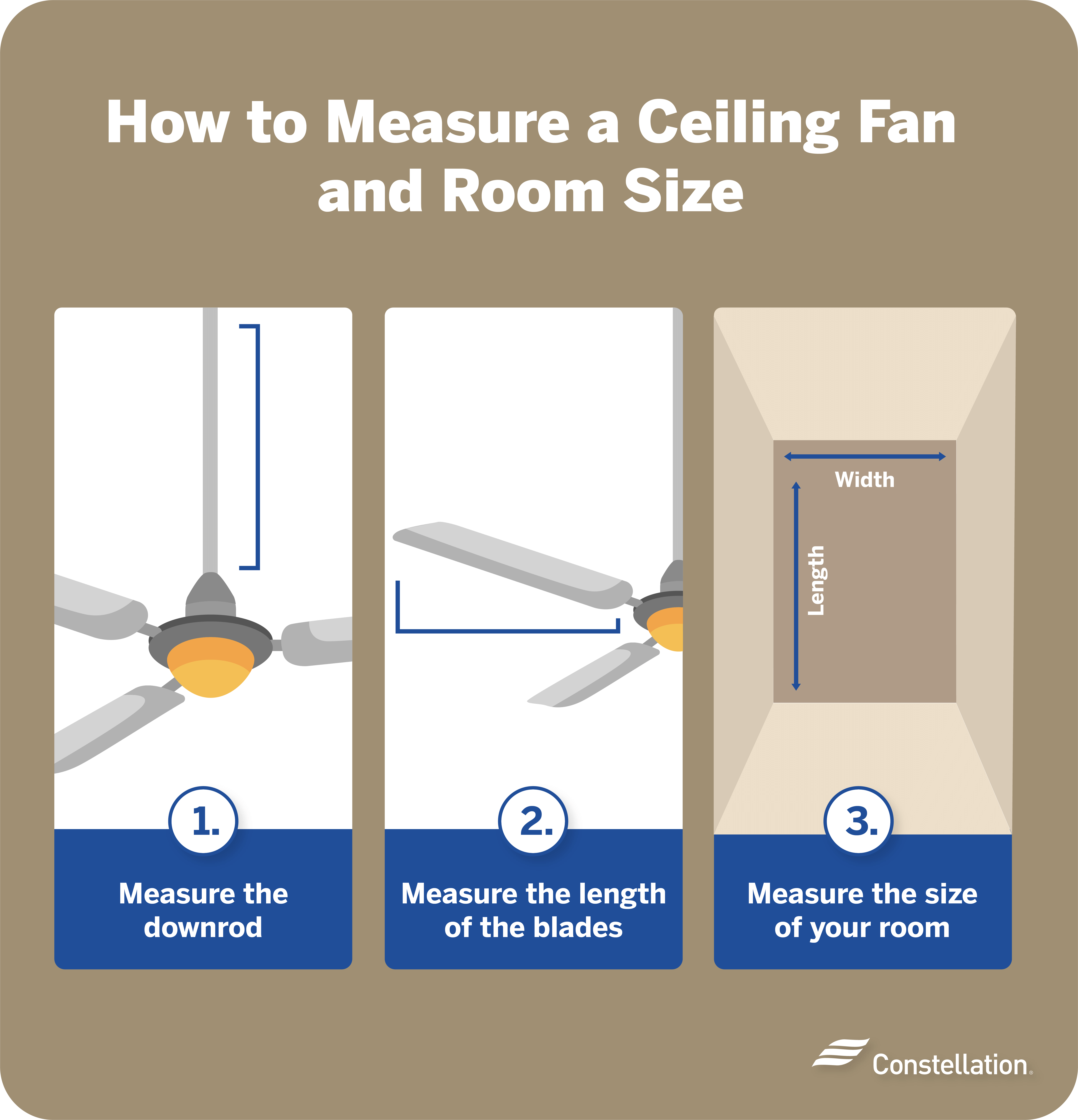
Ready to become your own ceiling fan guru? Exploring this is surprisingly simple! First, grab a tape measure and find the square footage of your room (length x width). This is your golden number. As a general guideline: for rooms up to 75 sq ft (like a small office or bathroom), a fan around 36 inches is often perfect. For 75-144 sq ft (many bedrooms), aim for 42-44 inches. Medium to large rooms (144-225 sq ft, think living rooms) will usually need 50-54 inches. And for expansive areas over 225 sq ft, you're looking at 56 inches or even larger, possibly requiring multiple fans for optimal coverage. Don't forget ceiling height; taller ceilings might benefit from longer downrods to bring the fan blades to the ideal 7-9 feet above the floor.
Beyond size, a quick look at the fan's CFM (Cubic Feet per Minute) rating can tell you how much air it truly moves – a higher CFM generally means more effective cooling. Pay attention to the motor quality, too; a good motor means less wobble and quieter operation. It’s all about finding that sweet spot where form meets function, ensuring your chosen fan is not just a pretty face, but a true workhorse, bringing comfort and efficiency to your everyday life. Happy fan hunting!