
How Big Ac Unit For 1000 Sq Ft
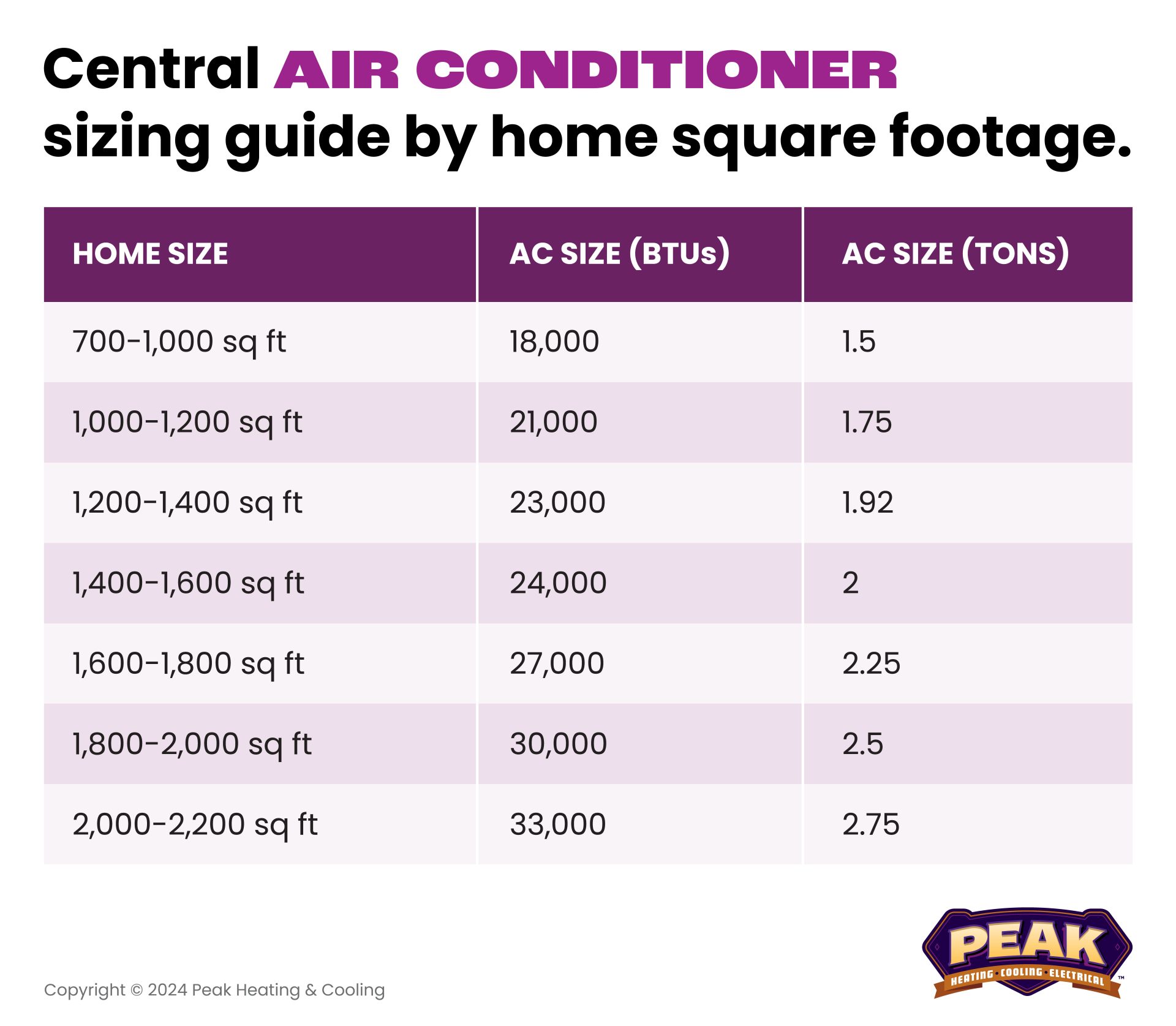
Ah, summer. The season of sunshine, popsicles, and... the inevitable internal debate about your home's air conditioning. If you're pondering, "How big of an AC unit do I really need for my 1000 sq ft pad?" you're in good company. It’s a common question, and getting it right is the secret sauce to a truly comfortable, energy-efficient home. Let’s uncomplicate it, shall we?
The BTU Breakdown: Your Comfort's Currency
First things first, let's talk about the magic number: BTUs. That stands for British Thermal Units, and it’s essentially the measure of how much heat an AC unit can remove from your home in an hour. Think of it as your AC’s horsepower. The general rule of thumb for cooling an average home is about 20 BTUs per square foot.
So, for a 1000 sq ft space, you're looking at a starting point of around 20,000 BTUs. This translates to roughly a 1.5 to 2-ton unit (1 ton = 12,000 BTUs). For many 1000 sq ft homes, a 1.5-ton unit might just cut it, but a 2-ton unit often provides that extra oomph, especially in hotter climates or homes with less-than-stellar insulation. But hold on, it’s not quite as simple as multiplication!
Must Read
Beyond the Blueprint: What Else Matters?
Your home is unique, and so are its cooling needs. Several factors can sway that BTU requirement up or down. Ignoring these can lead to a less-than-ideal setup:
Your Climate Zone: Are you battling the relentless humidity of a Florida summer, or just a few warm weeks in a milder Pacific Northwest climate? A scorching Texas or Arizona sun demands more power than a cool Californian breeze. The hotter your summers, the more BTUs you'll generally need.
Insulation & Air Sealing: This is a biggie! A well-insulated home (walls, attic, floor) and properly sealed windows and doors will keep the cool air in and the hot air out. This means your AC doesn't have to work as hard, potentially allowing you to opt for a slightly smaller unit. Think of good insulation as your home wearing a cozy, protective sweater.
/air-conditioning-chart-1152654_final-01-5c522db7c9e77c0001d7671e.jpg)
Windows Galore: How many windows does your 1000 sq ft space have? What direction do they face? South and west-facing windows get a lot of direct sun, which can significantly heat up a room. Single-pane windows are notorious heat-gain culprits, while modern, energy-efficient double-pane windows perform much better. More windows, especially sun-drenched ones, usually mean more BTUs.
Ceiling Height: Standard ceilings are around 8 feet, but if you're rocking lofty 10 or 12-foot ceilings, you've got more air volume to cool. This extra cubic footage often bumps up the BTU requirement.
Occupants & Appliances: Every person in your home generates body heat (about 400 BTUs/hour, fun fact!). Similarly, appliances like ovens, computers, and even bright light fixtures contribute to the heat load. A bustling kitchen in an open-plan living space will need more cooling power than a single person's minimalist apartment.
The Goldilocks Principle: Not Too Big, Not Too Small
You might think, "Why not just go for the biggest unit possible to be safe?" Not so fast! This is where the Goldilocks Principle comes into play. You want your AC unit to be just right.
An oversized unit will cool your home too quickly, then shut off (this is called "short cycling"). While it might seem efficient, it actually wastes energy, puts more wear and tear on the unit, and critically, it doesn't run long enough to effectively remove humidity from the air. The result? A cool but clammy, uncomfortable home that feels damp even when the temperature is low.
An undersized unit, on the other hand, will run constantly, struggling to reach your desired temperature. This leads to higher energy bills, a home that never truly feels cool, and premature breakdown of the system because it’s always overworking.

Smart Moves: How to Get It Just Right
So, what's a savvy homeowner to do?
Call in the Pros: This is arguably the most crucial step. A qualified HVAC technician will perform a detailed "load calculation," often using something called a Manual J assessment. This takes into account all the factors we discussed – insulation, windows, climate, ceiling height, and more – to precisely determine your home's unique cooling needs. It’s like a bespoke suit for your home's comfort!
Consider SEER/SEER2 Ratings: While not about size, the Seasonal Energy Efficiency Ratio (SEER, or the newer SEER2) is vital. A higher rating means a more energy-efficient unit, saving you money on your utility bills in the long run. It's the difference between a gas guzzler and a fuel-efficient hybrid.

Don't Forget Maintenance: Once you have the perfect AC, remember that regular maintenance keeps it humming efficiently. Clean filters, checked coils, and professional tune-ups mean your unit will perform optimally for years to come.
A Little History & A Lot of Comfort
It's wild to think that reliable, widespread air conditioning only became common in homes in the mid-20th century. Before that, people relied on porches, open windows, and iceboxes! Thanks to pioneers like Willis Carrier, we can now enjoy climate-controlled comfort. This luxury has transformed architecture, allowing us to thrive in previously inhospitable climates and making our homes true sanctuaries from the heat.
Cool Comfort, Smart Living
Ultimately, choosing the right size AC for your 1000 sq ft home isn't just about BTUs; it's about investing in your comfort, your energy bills, and the longevity of your system. Get it right, and you'll enjoy a home that’s consistently cool and dry, a haven from the summer swelter. It means peaceful nights, productive days, and the simple joy of stepping into a refreshingly crisp environment after a long day out. So, take the time to do it right – your future, cooler self will thank you!