How Bad Is Polyester For You
.png)
Ever found yourself staring at a clothing label, scratching your head and wondering, "Is this fabric really okay?" You're not alone! In a world increasingly buzzing about health, wellness, and sustainability, the materials we wear and live with have come under the spotlight. Polyester, that ubiquitous, often maligned fabric, is a fantastic example of a topic that's both popular and incredibly useful to understand. It's everywhere – from your gym shorts to your curtains – so diving into whether it's truly "bad for you" isn't just a fun curiosity; it's about making more informed choices for our everyday lives.
Understanding polyester's pros and cons offers a surprising number of benefits for different folks. For beginners and everyday readers, it demystifies common anxieties, helping you shop smarter without getting bogged down by complicated jargon. You'll learn to discern when polyester is a great choice and when a natural fiber might be better for your comfort and skin. Families can particularly benefit, making better decisions for kids' clothing that balances durability, cost, and potential skin sensitivities. Imagine choosing sleepwear that truly breathes or activewear that stands up to endless playdates! And for the more hobbyist or eco-conscious consumer, a deeper dive into polyester encourages thoughtful material selection, whether for crafting projects or simply reducing your environmental footprint by understanding microplastic shedding.
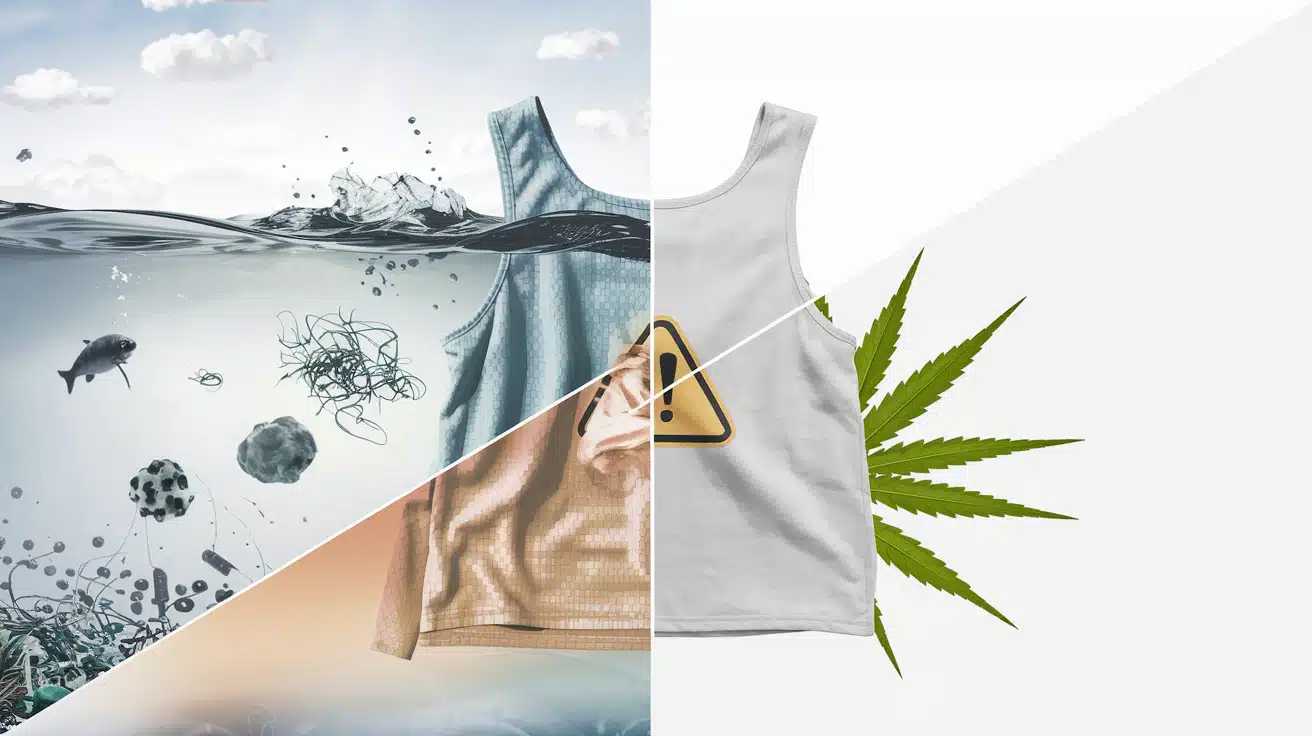
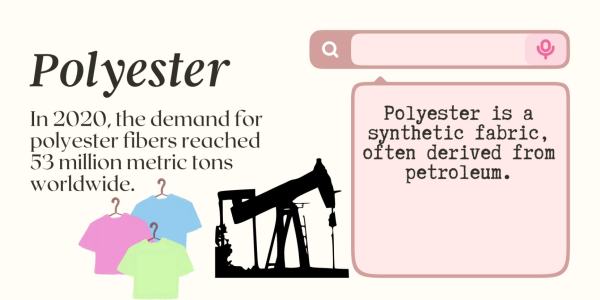
So, what exactly are we talking about when we say "polyester"? It's a synthetic polymer made from petroleum, known for being incredibly durable, wrinkle-resistant, and quick-drying. This makes it a favorite for activewear, raincoats, and even some bedding. The "bad for you" concerns often center around a few key areas: its non-breathable nature can sometimes trap heat and moisture, potentially leading to skin irritation or bacterial growth, especially for those with sensitive skin. There's also the question of chemical finishes and dyes, and the static electricity it can generate. However, it’s not all doom and gloom. Modern polyester, especially recycled PET, is becoming more sophisticated, and its longevity can be a sustainability plus, as durable items don't need frequent replacement. The real issue often comes down to how and where it's used.
Must Read
Ready to navigate the world of polyester with confidence? Here are some simple, practical tips to get you started. First, read your labels! Knowing your fabric composition is half the battle. Second, for items that are in direct, prolonged contact with your skin, especially sleepwear or underwear, consider opting for natural fibers like cotton, linen, or bamboo if skin sensitivity is a concern. Third, for activewear where moisture-wicking is crucial, polyester can actually be superior, but ensure it's a good quality blend that allows for some airflow. Fourth, if you have polyester bedding, make sure your bedroom is well-ventilated. Finally, don't feel pressured to purge all polyester from your life overnight! It's about mindful choices, not extreme measures. Enjoy the benefits of its durability and affordability where it makes sense for you.
Ultimately, understanding polyester isn't about shunning an entire material; it's about empowering yourself with knowledge. This simple understanding allows you to make informed decisions that align with your personal health, comfort, and environmental values. It adds a layer of practical wisdom to your everyday shopping, making you a more conscious consumer and helping you appreciate the true value and purpose of the clothes and items you choose. Enjoy the comfort and confidence that comes with knowing your stuff!