How Bad Is Category 5 Hurricane
Ever found yourself glued to the news when meteorologists start talking about a "Category 5 hurricane"? There's a certain gripping fascination with understanding the absolute peak of nature's fury, isn't there? It's not just morbid curiosity; it's a deep human desire to comprehend the forces that shape our world, even the most destructive ones. Learning about extreme weather like this offers us a valuable perspective, transforming vague fear into a clearer understanding of what we're up against.
The purpose of diving into how truly bad a Category 5 hurricane is isn't to scare you, but to empower you with knowledge. By grasping the sheer scale of impact, we can better appreciate preparedness efforts, understand the warnings, and perhaps even inspire a greater respect for the planet's powerful systems. It helps us move beyond just a number on a scale to a vivid picture of reality.
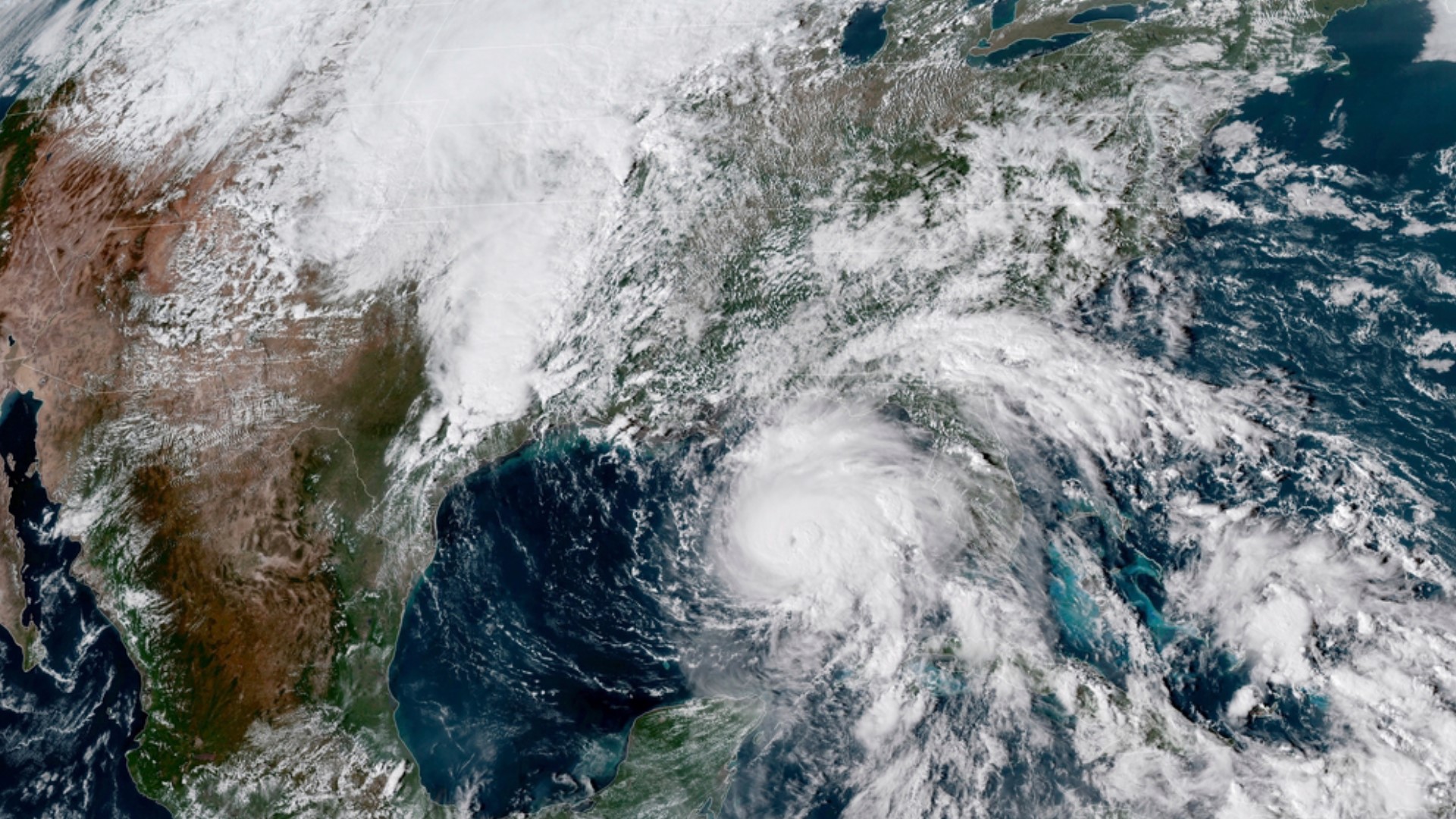
So, let's talk about Category 5. On the Saffir-Simpson Hurricane Wind Scale, Category 5 is the highest possible classification. We're talking sustained winds of 157 miles per hour (252 km/h) or higher. To put that in perspective, imagine a tornado-strength wind extending for hundreds of miles, lasting for hours, and bringing with it an unimaginable amount of rain and ocean water. This isn't just a bad storm; it's a catastrophic event designed to reshape landscapes.
Must Read
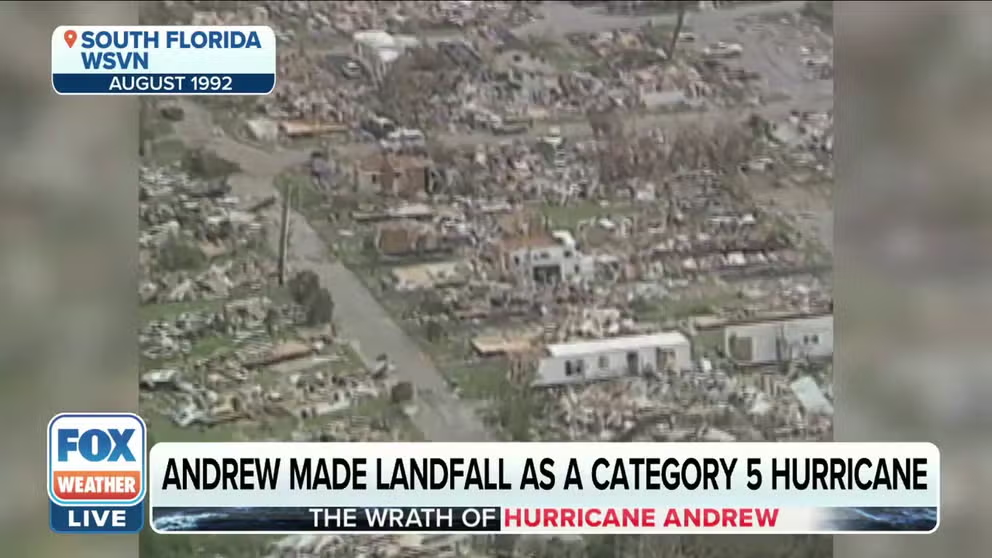
What does that kind of wind do? Think about total devastation. Homes, especially older or less sturdy ones, can experience complete roof failure and collapse. Buildings with steel frames might twist and deform. Trees are not just defoliated; they are often snapped, uprooted, and turned into dangerous projectiles. Power poles snap like toothpicks, leading to widespread, long-term power outages that can last for weeks or even months. Areas become essentially uninhabitable for an extended period.
But the winds, as terrifying as they are, are often not the deadliest part. That grim title usually goes to the storm surge. This is a massive wall of ocean water pushed ashore by the hurricane's winds and low pressure. For a Category 5, the surge can be over 18 feet (5.5 meters) high above normal tide levels, sometimes much more. Imagine your entire neighborhood submerged under a rapidly moving, debris-filled ocean. This surge can inundate coastal communities, sweeping away everything in its path, from cars to entire houses, making escape impossible for those who don't evacuate.

And let's not forget the rain. Category 5 hurricanes dump incredible amounts of water, leading to severe inland flooding far from the coast. Roads become rivers, cutting off communities and hindering rescue efforts. Landslides can occur in hilly regions. The combined assault of wind, surge, and rain means the destruction isn't confined to the immediate coastline; it spreads its misery far and wide.
The aftermath of a Category 5 hurricane is a testament to its destructive power. Recovery efforts take not just days or weeks, but years. Entire communities need to be rebuilt from the ground up. The economic toll is staggering, and the emotional scars can last a lifetime. In essence, a Category 5 hurricane isn't just "bad"; it's a force of nature that can fundamentally alter the course of lives and landscapes, a powerful reminder of our vulnerability and the critical importance of respect, preparation, and community resilience.