How Bad Is Category 3 Hurricane

We're all drawn to the immense power of nature, aren't we? From towering volcanoes to crashing tsunamis, there's a primal fascination with forces far beyond our control. And when it comes to weather, few phenomena capture our attention – and our apprehension – quite like a hurricane. While no one truly enjoys the destructive force itself, there's a profound benefit, even a strange satisfaction, in understanding these colossal storms and being ready for them. It’s like watching a high-stakes drama unfold, but with real-world implications that demand our attention and respect. Far from passively observing, diving into the science of these atmospheric giants equips us with the knowledge to navigate their path safely.
So, why bother understanding something as terrifying as a hurricane, particularly one that's a Category 3? Because knowledge, in this scenario, is quite literally power – the power to protect yourself and your loved ones. Understanding hurricane categories isn't just about meteorology; it's about informed decision-making in everyday life. It translates complex atmospheric physics into practical, actionable advice. When you hear "Category 3," it's not just a number; it's a signal to enact specific safety protocols, to evacuate if necessary, or to fortify your home. This understanding serves a vital purpose: reducing anxiety, saving lives, and mitigating property damage by allowing communities and individuals to prepare effectively long before the first gust of wind hits.
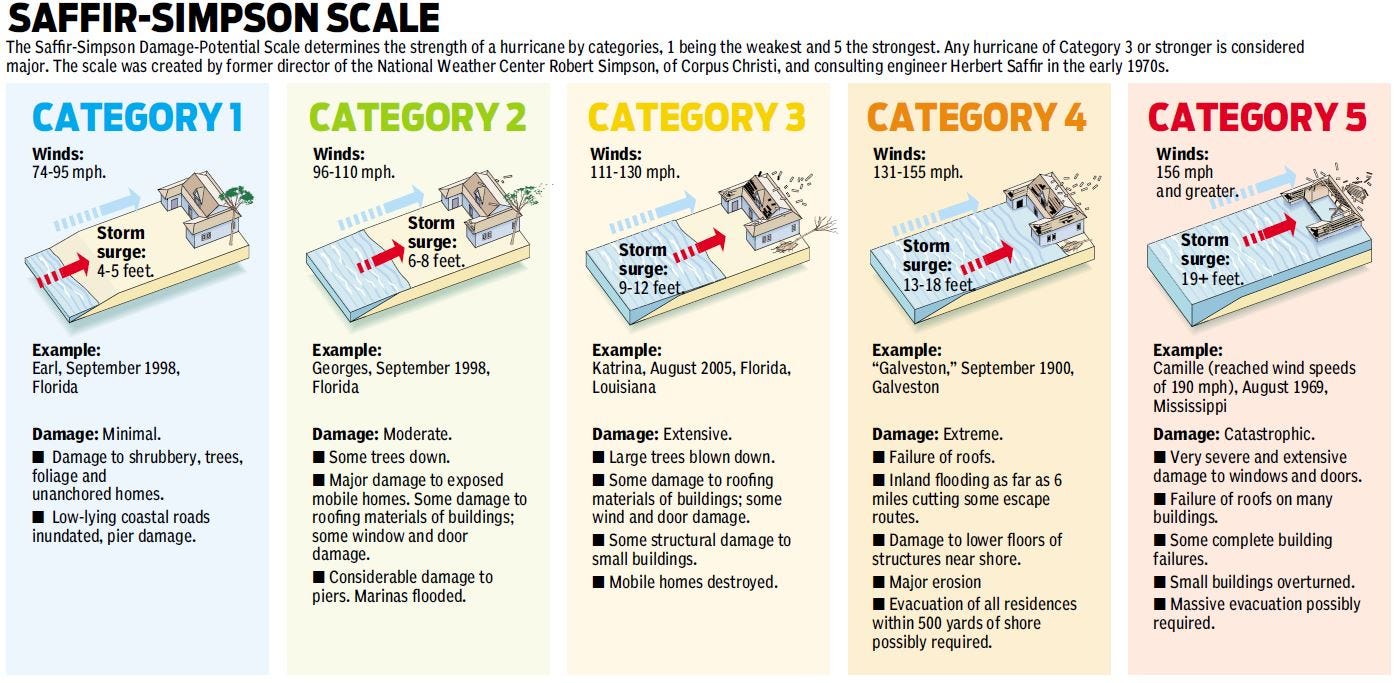
Let's get specific: How bad is a Category 3 hurricane? On the Saffir-Simpson Hurricane Wind Scale, a Category 3 storm packs sustained winds between 111-129 mph (178-208 km/h). To put that into perspective, imagine winds strong enough to easily snap large trees, completely destroy poorly built mobile homes, and cause extensive structural damage to well-built frame homes. Think roofs torn off, walls collapsing, and windows shattering. Beyond the wind, a Category 3 often brings severe storm surge – a wall of ocean water pushed inland – which can be the deadliest aspect, causing massive flooding and widespread devastation to coastal areas. Power outages could last for weeks, leaving vast regions without essential services. We've seen the impacts firsthand with storms like Hurricane Wilma (2005) in Florida or Hurricane Michael (though Michael intensified to a Cat 5 at landfall, it serves as a stark reminder of rapid intensification potential) showing the devastating scale of destruction that even a lower category can wreak. A Category 3 is a major hurricane, plain and simple, and it demands your utmost respect and preparation.
Must Read
Given the seriousness, how can you "enjoy" (read: cope with and prepare for) this topic more effectively? First, stay informed using reliable sources like the National Hurricane Center (NHC) or your local emergency management agency. Don't rely on social media rumors. Second, have a detailed emergency plan. Know your evacuation routes, establish communication plans with family, and have a sturdy emergency kit stocked with food, water, medicine, and important documents for at least 72 hours, preferably more. Third, if you live in a hurricane-prone area, consider securing your home – storm shutters, proper roof straps, and clearing your yard of potential projectiles are crucial. Finally, and perhaps most importantly, heed all local warnings and evacuation orders immediately. There's no heroism in riding out a major hurricane; the safest option is always to follow official guidance. By proactively engaging with preparedness, you transform fear into resilience, finding a measure of calm amidst the storm's fury.