
How Are Deductible Business Expenses Described
Okay, so picture this: Last year, I decided I was going to become a YouTube sensation. Spent a fortune on ring lights, microphones that looked like they belonged in NASA, and even hired a (terrible) mime to be my silent co-star. Turns out, people prefer cat videos. Who knew? Anyway, come tax time, I'm staring at this mountain of receipts, thinking, "Surely, Uncle Sam's gonna help me out with this creative endeavor gone wrong!" That’s when I started digging into deductible business expenses.
But what exactly qualifies? And how does one even begin to describe such things? Let's dive in, shall we?
The Official (and Slightly Boring) Definition
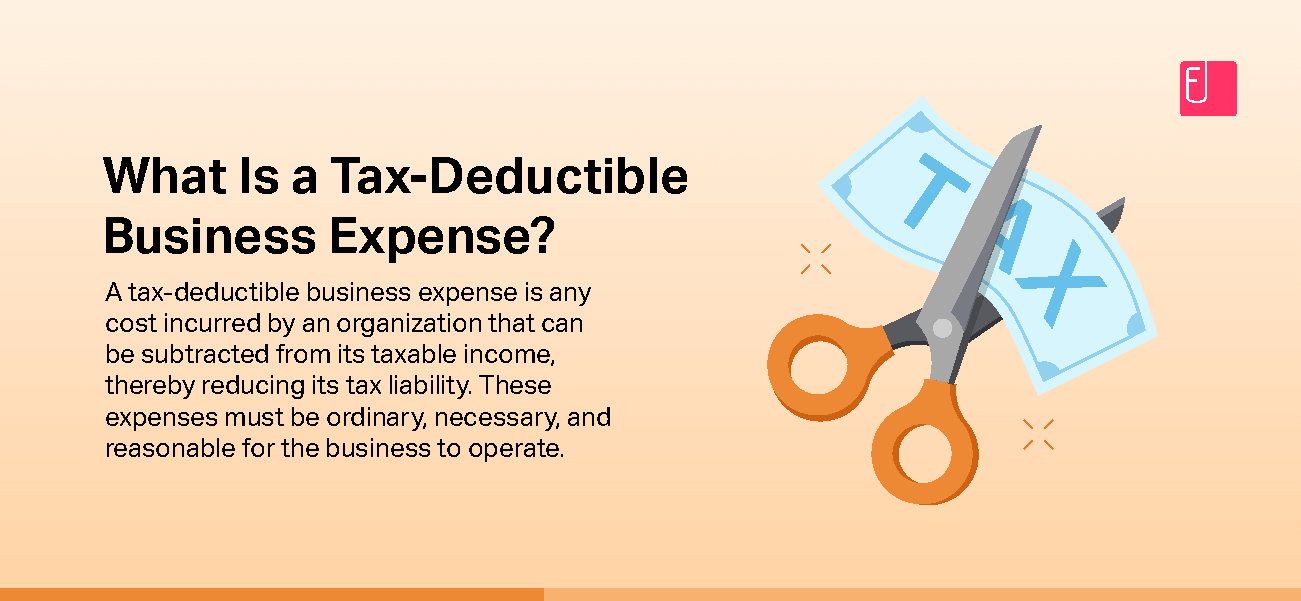
Alright, let's get the official jargon out of the way. A deductible business expense is basically an expense that is ordinary and necessary for your trade or business. Think of it like this: would a reasonable person in your line of work consider this expense normal and helpful for their business?
Must Read
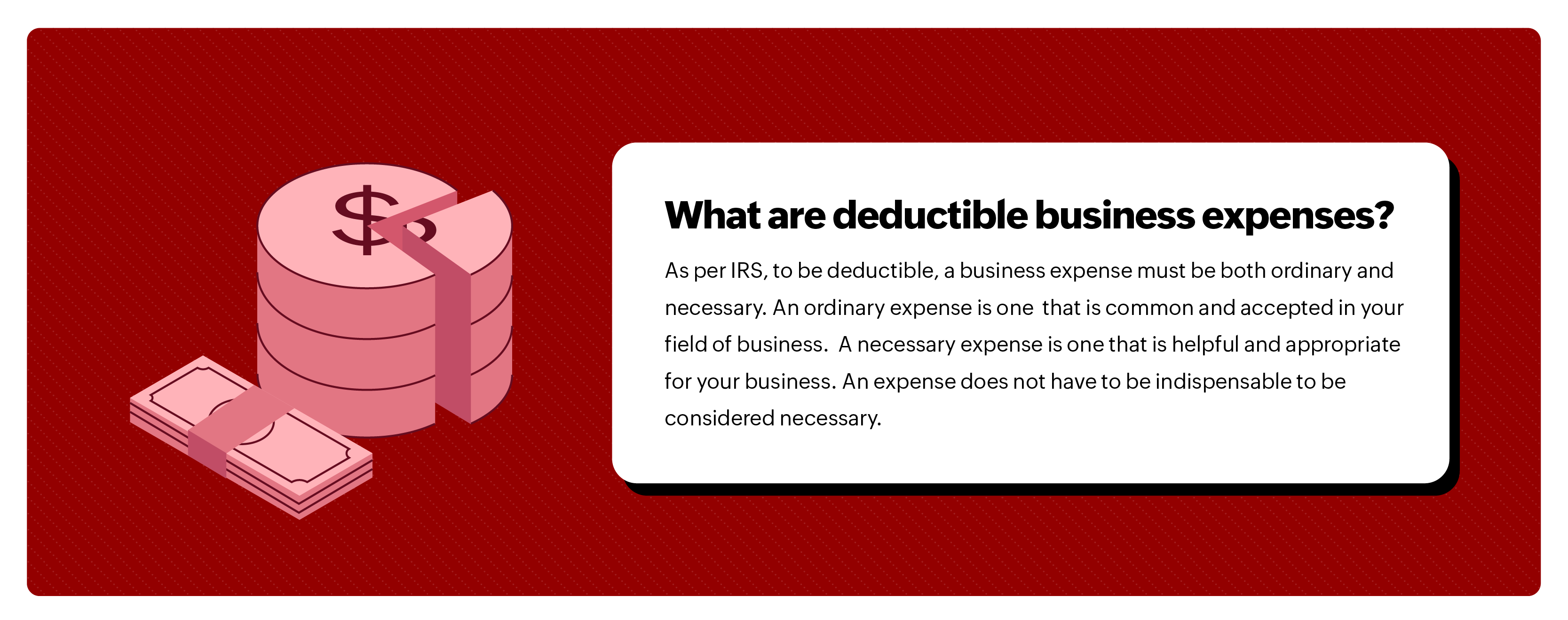
Ordinary means it's common and accepted in your industry. Necessary means it's helpful and appropriate for your business. (Yes, I know, "helpful and appropriate" isn't exactly crystal clear, but stick with me!). It needs to help you make money, directly or indirectly. Hiring that mime? Not necessary. Good riddance, Marcel!
Side note: The IRS gets the final say, of course. They're the judges of what's "reasonable." So, if you're thinking of deducting that gold-plated stapler, maybe reconsider.

Categories of Expenses: Where the Fun Begins (Sort Of)
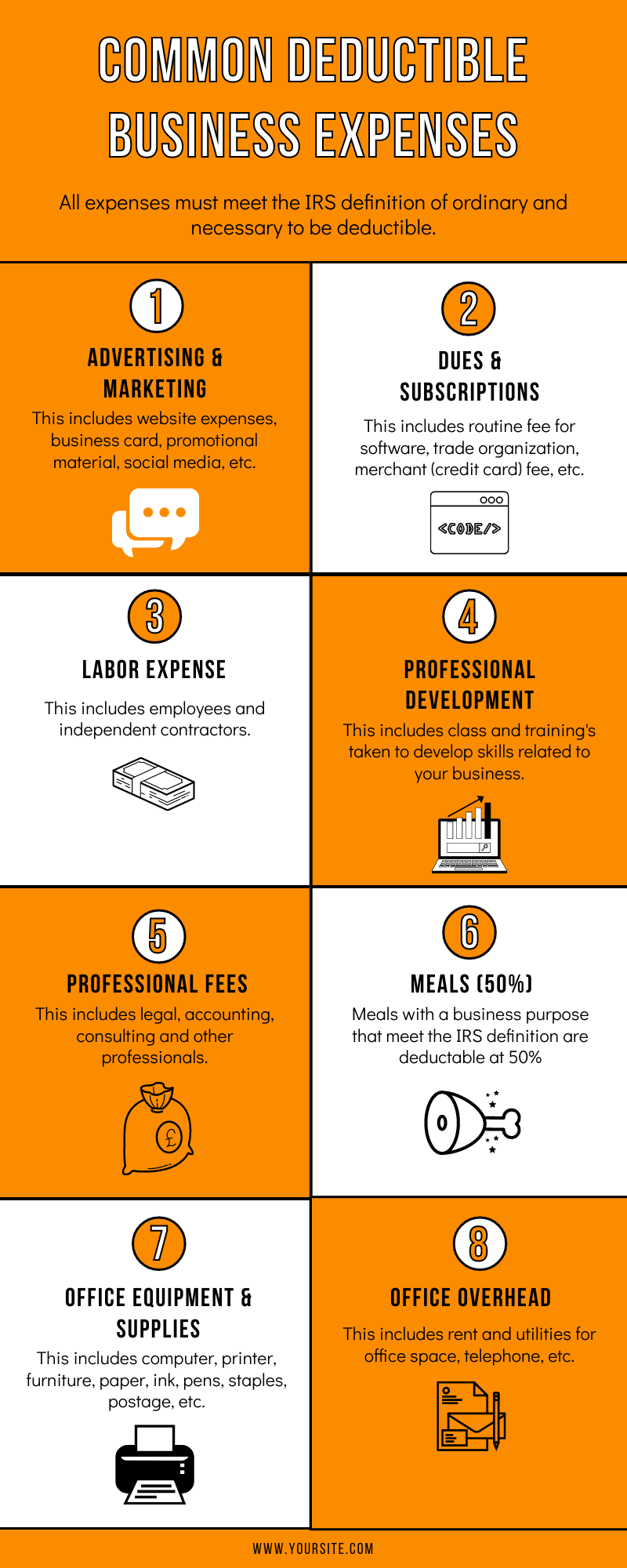
Describing deductible expenses usually involves slotting them into categories. Here are some common ones:
- Office Expenses: Rent, utilities, supplies (paper, pens, that ergonomic keyboard you swear makes you write better code), and even postage. Basically, anything that keeps your office running smoothly.
- Travel Expenses: Think business trips! Airfare, hotels, meals (subject to limitations, naturally), and transportation. Just remember to keep receipts and detailed records of your travels. "Went to Hawaii for 'market research'" probably won't fly. (Pun intended!).
- Vehicle Expenses: If you use your car for business, you can deduct either the actual expenses (gas, repairs, insurance) or take the standard mileage rate. Choose whichever gives you the bigger deduction.
- Marketing and Advertising: Getting the word out! Website costs, advertising, promotional materials, and even that sponsorship of the local little league team.
- Education and Training: Keeping your skills sharp! Courses, seminars, and professional development that directly relate to your current business. Sadly, learning how to become a competitive hot dog eater probably doesn’t count.
- Insurance: Business liability insurance, professional indemnity insurance, health insurance premiums (if you're self-employed). Protecting your assets is a deductible expense!
- Professional Fees: Hiring a lawyer, accountant, or consultant. Because sometimes, you need expert help (especially when dealing with, ahem, taxes).
These are just a few examples, of course. The possibilities are almost endless... within reason. Always ask yourself: "Does this expense directly benefit my business?"
Documentation is King (and Queen)
Here's the deal: you can describe all the expenses you want, but without proper documentation, the IRS is likely to say "no thanks." Keep meticulous records of everything. Receipts, invoices, bank statements, mileage logs... the works!
Pro tip: Use accounting software or a spreadsheet to track your expenses. It'll make your life so much easier come tax time. Trust me, future-you will thank you.
A Word of Caution (and a Touch of Irony)
While it's tempting to deduct everything under the sun, be honest and ethical. Don't try to sneak in personal expenses as business expenses. The IRS has seen it all before, and they're not easily fooled. Remember, that trip to the Bahamas for "stress relief" is probably just a vacation.
Deducting business expenses can be complex, but it's an important part of running a business. By understanding the basics, keeping good records, and being honest, you can navigate the world of deductions with confidence. And who knows, maybe you'll even be able to afford a slightly less terrible mime next time.
Oh, and about my YouTube career? Let's just say I'm focusing on blogging now. At least I can deduct my internet bill...
