How And When Was Coal Formed
Ever held a lump of coal? It might not spark the same immediate joy as a vibrant gemstone or a delicate flower, but this unassuming black rock holds an absolutely stunning secret. It's not just fuel; it's a time capsule of epic proportions, a testament to Earth's patient and powerful artistry. Forget the mundane; coal is a story of transformation, pressure, and ancient, forgotten worlds!
For the curious mind, whether you're an armchair geologist, a budding artist, or just someone who loves a good natural mystery, understanding coal's genesis is a truly rewarding experience. Artists can draw inspiration from the sheer scale of geological time and the incredible metamorphosis of matter. Hobbyists gain a deeper appreciation for the Earth's intricate systems, realizing that even something as common as coal is a masterpiece of natural engineering. Casual learners get a thrilling peek into prehistoric ecosystems, discovering how today's energy sources began millions of years ago as lush, vibrant forests.
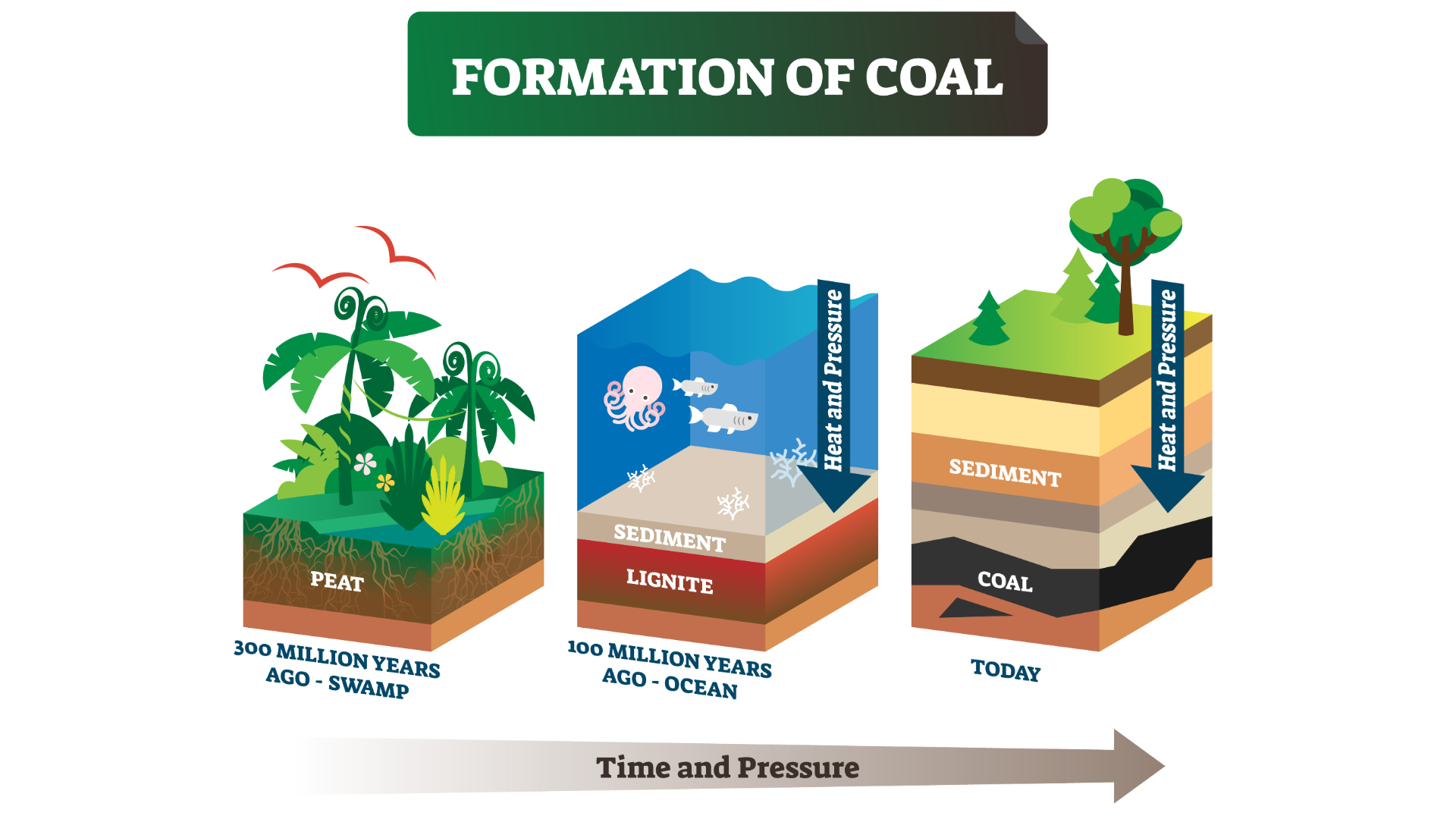
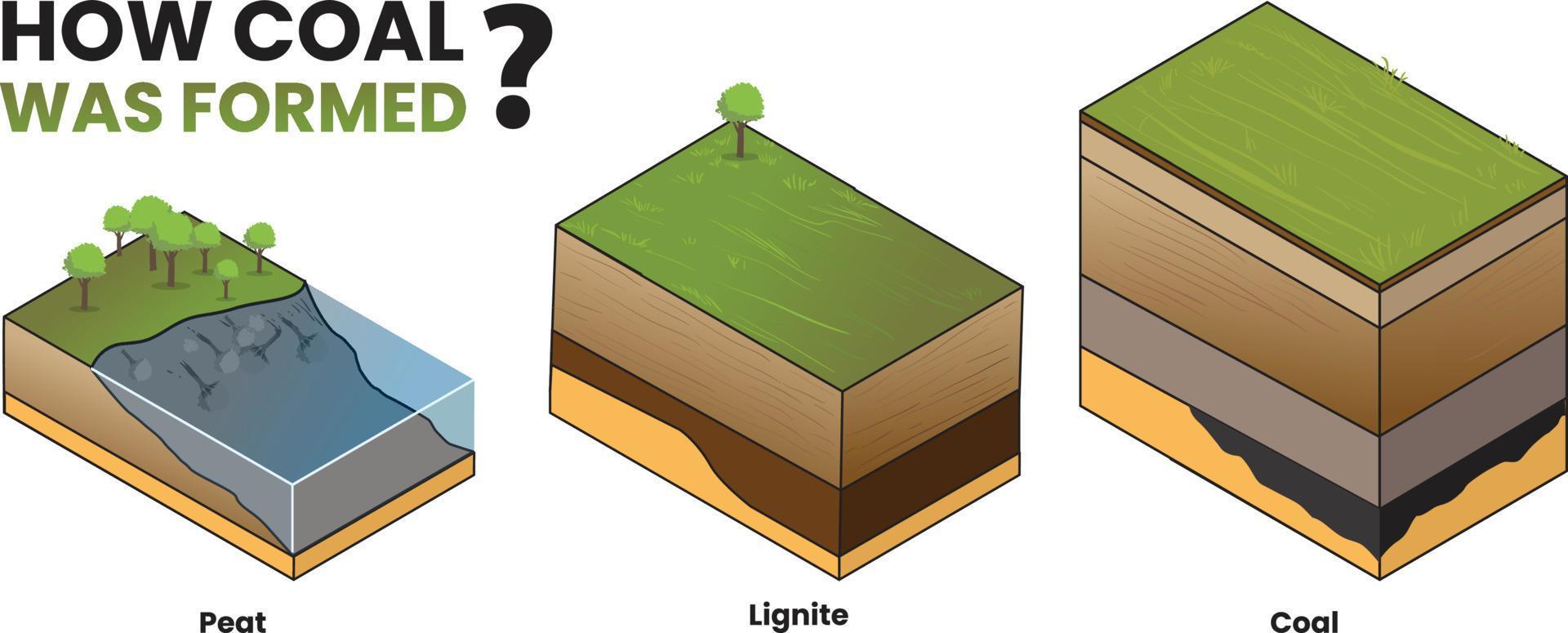
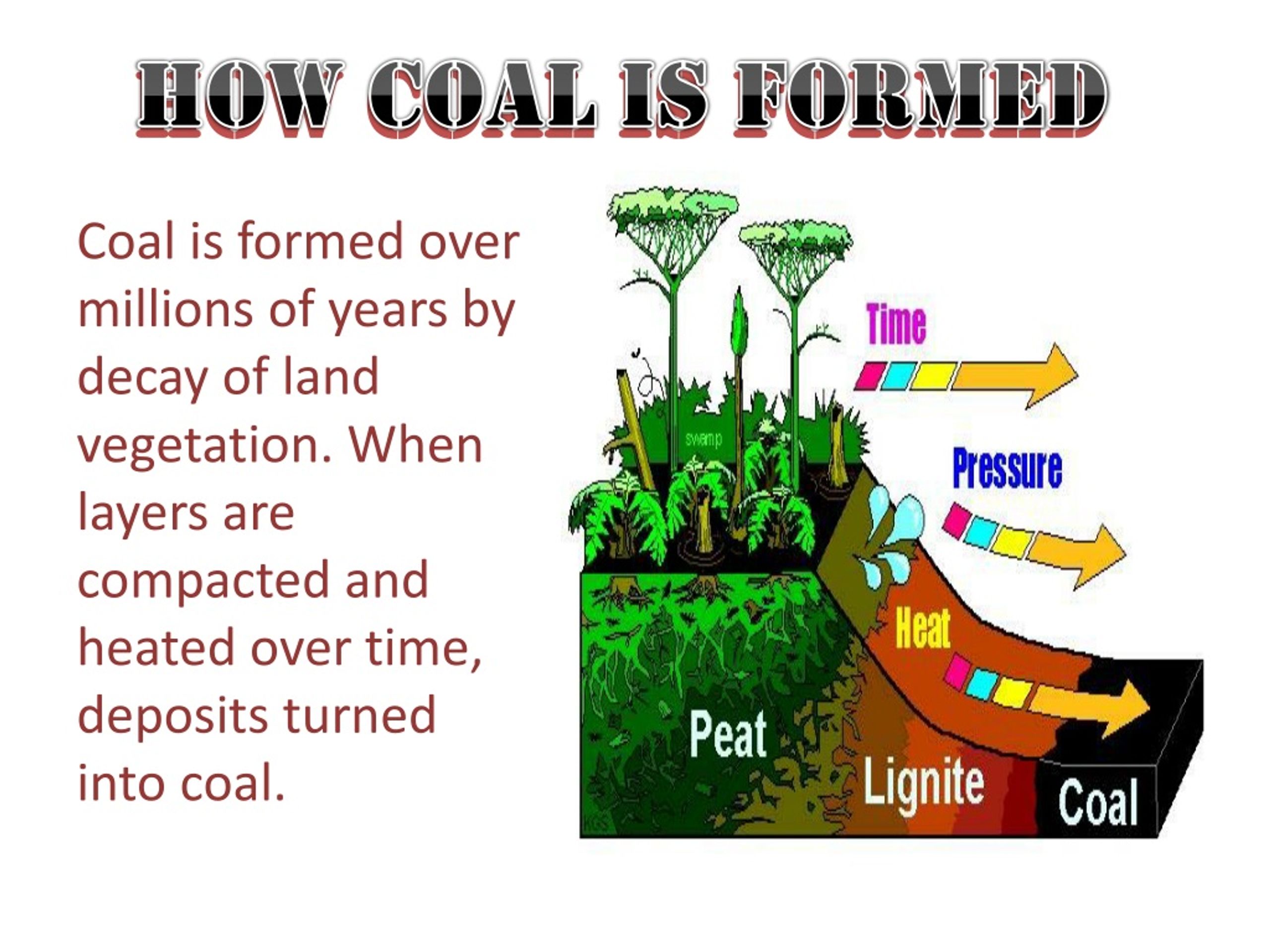
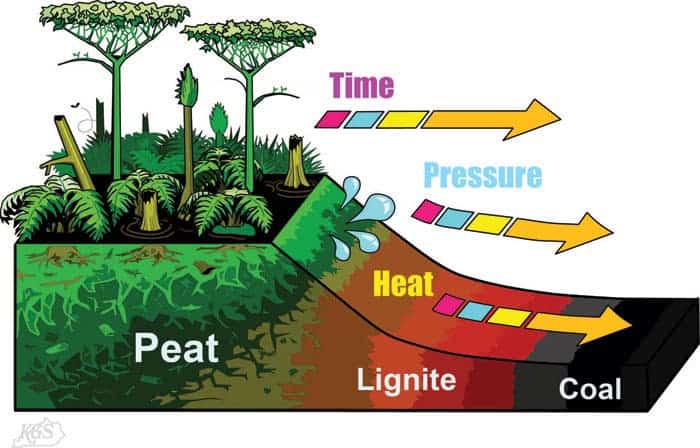
So, when and how did this magic happen? Picture this: it all started during periods like the Carboniferous Period, roughly 360 to 300 million years ago, a time often called the "Coal Age." Imagine vast, steamy swamps teeming with giant ferns, mosses, and primitive trees, unlike anything we see today. When these plants died, instead of fully decaying, they fell into oxygen-poor swamp water, forming thick layers of partially decayed plant matter known as peat. Over millions of years, these peat swamps were buried under layers of sediment – mud, sand, and more plant debris. The immense pressure from these overlying layers, combined with geothermal heat from the Earth's interior, slowly but surely squeezed out the water and volatile compounds from the peat. This gradual compression and heating process transformed the peat first into lignite, then bituminous coal, and finally, for the truly ancient and deeply buried, into hard, shiny anthracite. Each stage is a different shade of black, a different density, a different chapter in its incredible journey!
Must Read
Want to grasp this geological saga from your living room? Think of it like a giant, slow-motion cooking project! Start by observing a compost pile or even a humble peat moss bag – that's your starting point, the initial layer of organic matter. Next, visualize layers: imagine stacking heavy books on a sponge. The bottom sponge gets squashed the most, right? That's the pressure! Finally, add in the ingredient of vast, unimaginable time. We're talking millions of years, not minutes. Try to imagine your great-great-great-great... (add about a million 'greats') ancestors living in that swamp. It helps put the sheer duration into perspective!
Discovering how coal was formed isn't just about learning science; it's about appreciating the patient power of our planet. It's a reminder that even the most common things have extraordinary origins and epic tales to tell. So next time you see that dark lump, remember its ancient journey and the incredible forces that shaped it. It’s a truly enjoyable way to connect with the deep history beneath our feet!