
How A Coal Power Station Works
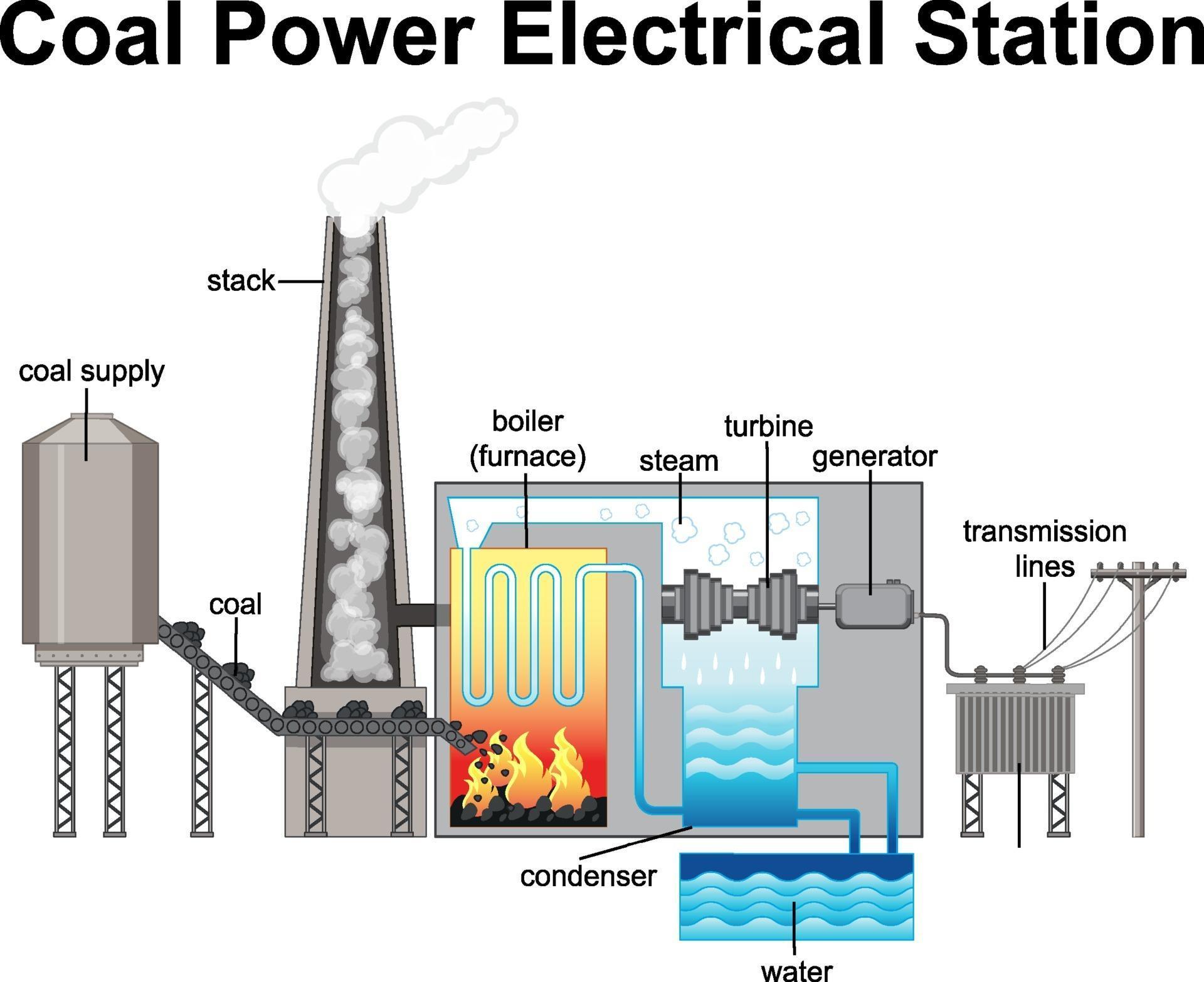
Ever flicked a light switch and just… poof… light! It’s magic, right? Well, kind of! Behind that everyday convenience often lies a massive, rumbling, super-hot beast: a coal power station. And trust me, understanding how it works is way cooler than you think.
It’s like a colossal, industrial ballet, transforming ancient sunlight (stored in coal!) into the zaps and hums that power our lives. Let’s dive in, no hard hats required, just a sense of wonder!
Step 1: The Grand Arrival (of the Coal, obviously!)
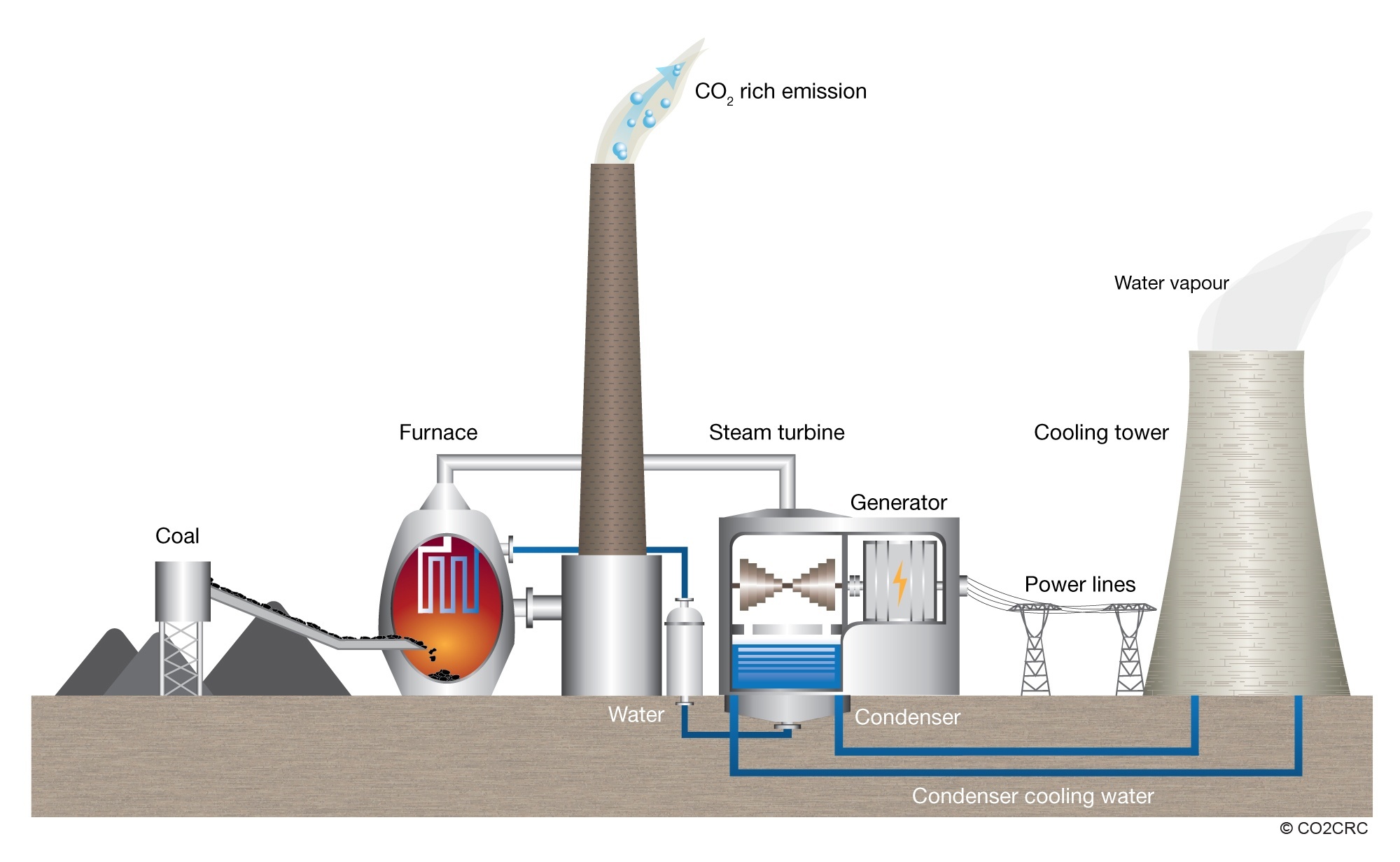
First things first: you need coal. And lots of it! We're talking mountains of the stuff. Imagine a pile bigger than your house, constantly being replenished by giant trains or ships. It’s like a never-ending snack bar for a hungry giant.
Must Read
This black, lumpy rock is essentially stored energy from plants and trees that lived millions of years ago. Kinda wild when you think about it, right? You're burning ancient forests!
Step 2: Grinding it Fine (Like a Super-Sized Coffee Grinder)
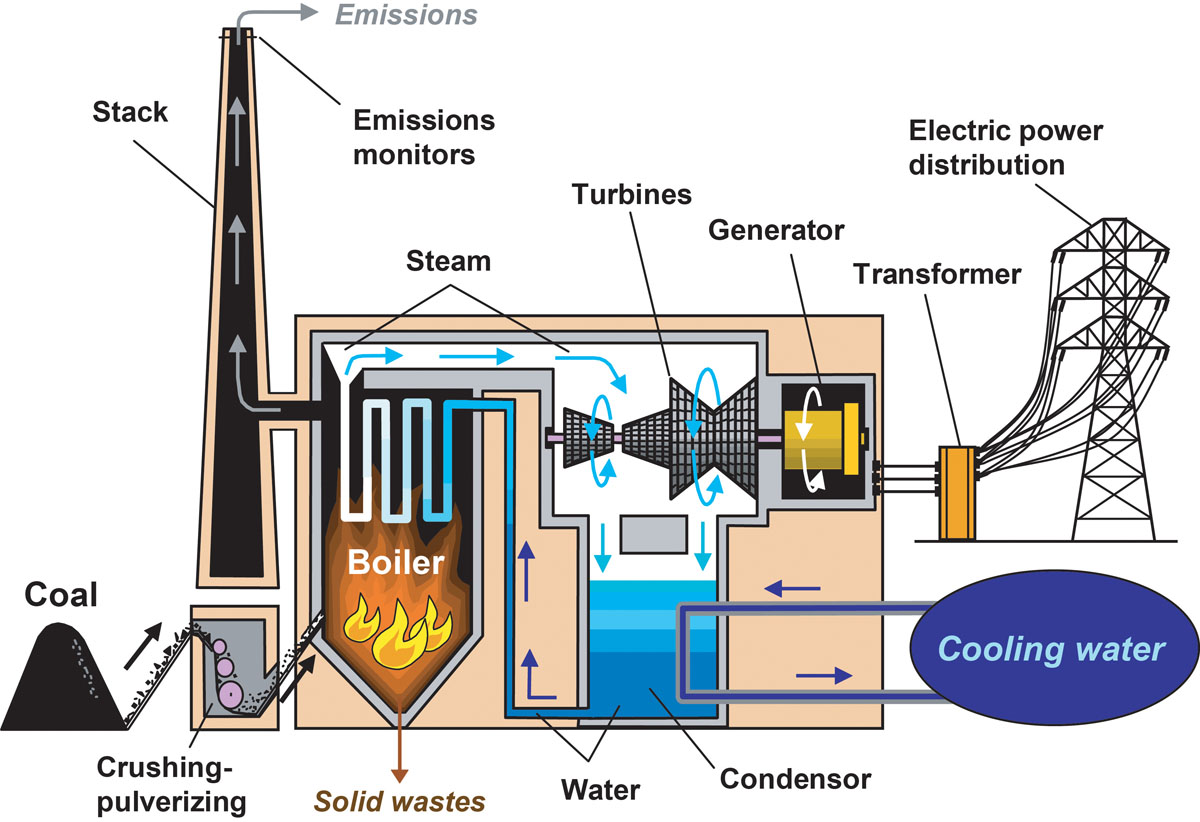
You can't just toss big lumps of coal into a fire and expect a smooth operation. Nope! Our coal needs to be pulverized. We're talking fine, like talcum powder or super-fine flour. Why? Because powdered coal burns way more efficiently and completely.
These massive machines, called pulverizers, are incredibly powerful. They literally smash the coal into dust. Imagine trying to grind rocks with your bare hands – these machines do it effortlessly, day in, day out!
Step 3: The Boiler (The Ultimate Teapot!)
Here's where things get seriously hot. The powdered coal is blown into an enormous furnace – the boiler. And when I say enormous, I mean huge. It’s a cathedral of steel, humming with heat.
The coal dust ignites almost instantly, creating a ferocious fireball. This isn't your backyard bonfire; temperatures can reach well over 1000°C! It’s like having a controlled volcanic eruption inside a building.
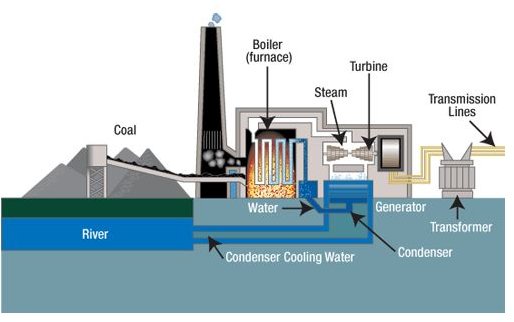
Snaking through the walls of this inferno are miles of pipes, filled with water. The intense heat from the burning coal turns that water into superheated steam. And when I say superheated, I mean steam that's hotter and under more pressure than you can possibly imagine. Think of it as a tea kettle on steroids, ready to burst!
Step 4: The Turbine (The Giant Pinwheel)
Now for the fun part! This high-pressure, superheated steam is directed at a turbine. What’s a turbine? Think of it like a giant, super-sophisticated pinwheel or a multi-bladed fan.
The steam hits the blades of the turbine with incredible force, making it spin. And spin it does! These things can rotate at thousands of revolutions per minute. It’s a blur of raw power, transforming the linear force of the steam into rotational energy. Imagine that mighty hiss and whoosh!
Step 5: The Generator (Making the Spark!)
This is where the actual electricity is born! The spinning turbine is directly connected to a generator. A generator is essentially a bunch of magnets and coils of wire. When magnets spin around coils of wire (or vice-versa), it creates an electric current. This is thanks to a clever guy named Faraday and his laws of electromagnetism.
So, that ancient sunlight, turned into coal, burned to make steam, spun a pinwheel, and now… BAM! Electricity! It's a pretty epic chain reaction, if you ask me.
Step 6: The Cooling Tower (The Steamy Breather)
After the steam has done its job pushing the turbine, it's tired out. It's lost a lot of its heat and pressure. We need to turn it back into water so we can use it again. This is where those iconic, often misunderstood, cooling towers come in.
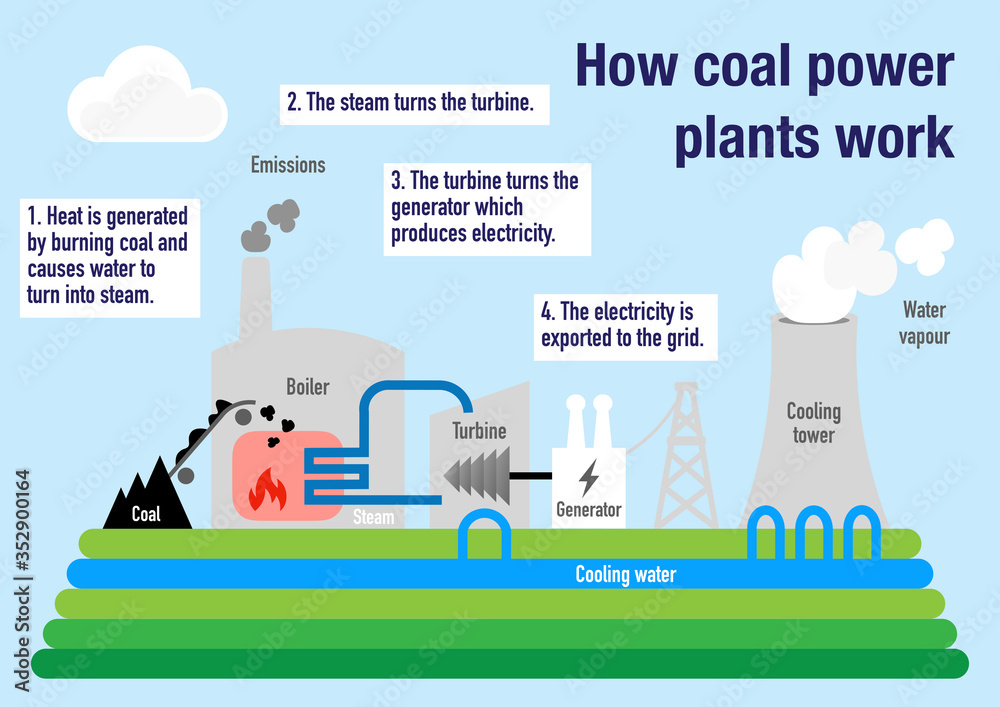
The spent steam goes into a condenser, where it's cooled by water (often from a nearby river or, more commonly, water that's been cooled in the cooling towers). When you see those giant plumes rising from cooling towers, that’s not "smoke" or pollution! It's mostly just clean water vapor, like a giant cloud-making factory, cooling down the system. Pretty neat, huh?
Step 7: To Your Home (The Grid Adventure!)
Once the electricity is generated, it's sent through transformers to boost its voltage for efficient travel. Then, it zips along transmission lines – those big metal towers you see crisscrossing the countryside – right into your neighborhood, and eventually, into your walls.
So, the next time your phone charges, or your favorite show comes on, spare a thought for that amazing, fiery, steamy journey. It’s a marvel of engineering, taking something as humble as a rock and turning it into the invisible force that powers our modern world. Pretty cool, right?