
How A Coal Power Plant Works
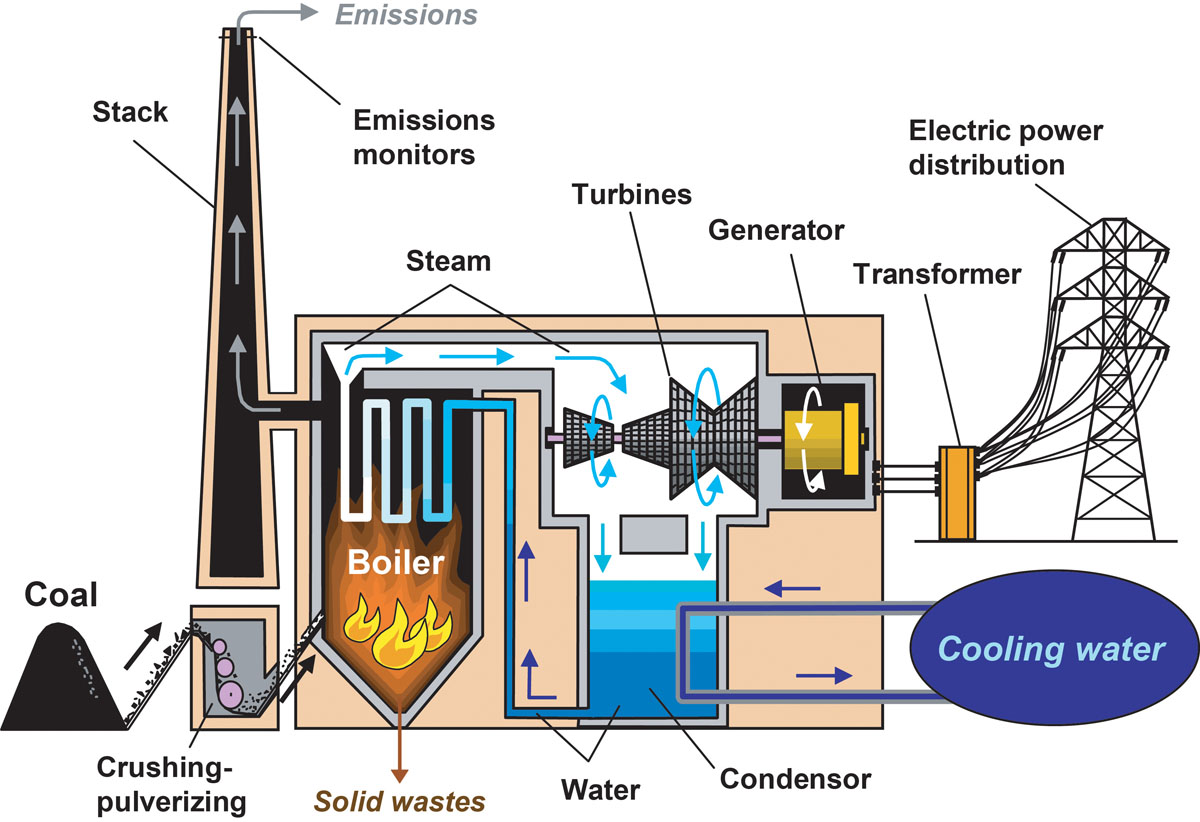
Ever wonder what magical invisible force lights up your living room, chills your snacks, or charges your phone? It's electricity, of course! We flip a switch, and poof – light! But where does it actually come from? For a big chunk of the world, especially for many years, the answer has been a pretty humble, dark rock: coal. Let's take a peek behind the scenes at how a coal power plant, the unsung hero of many a modern convenience, actually works, without getting too technical. Think of it as a giant, very serious tea party.
The Star of the Show: Coal
Imagine ancient forests and swamps, millions of years ago, getting buried under layers of earth. Over time, all that squished plant matter turned into what we call coal – basically, stored sunshine from eons past. It's like nature's very own, very slow, compressed energy bar!
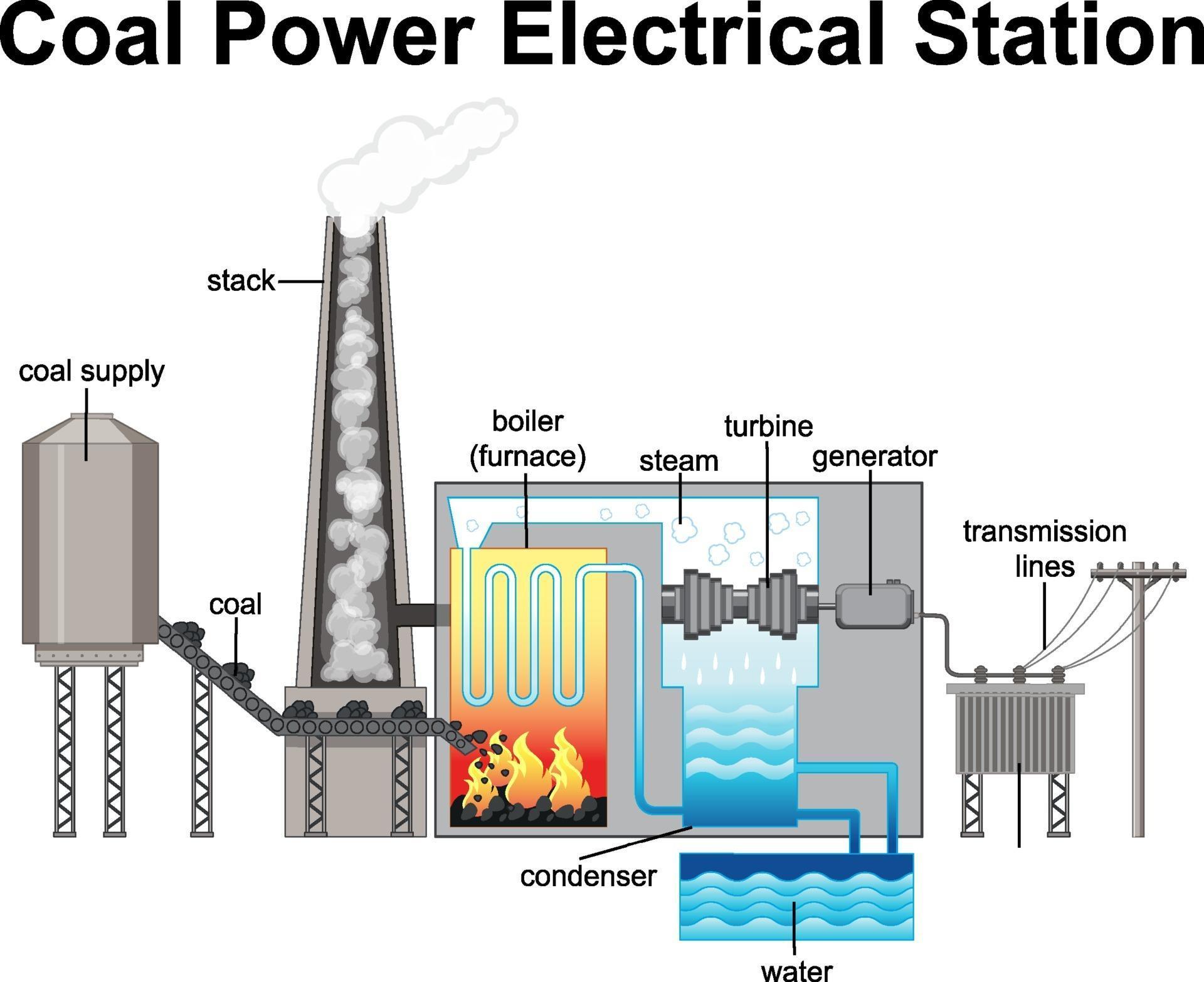
First things first, we need to get this energy bar to the power plant. It usually arrives by train, looking like a long, rumbling dragon, or by big ships. Once it's there, it's not ready for prime time yet. It needs a little spa treatment.
Must Read
The coal goes through a giant grinder, turning from chunky rocks into a super-fine powder, almost like flour or finely ground coffee. Why? Because the finer it is, the better it burns, kind of like how kindling catches fire faster than a big log.
Turning Up the Heat: The Boiler Room
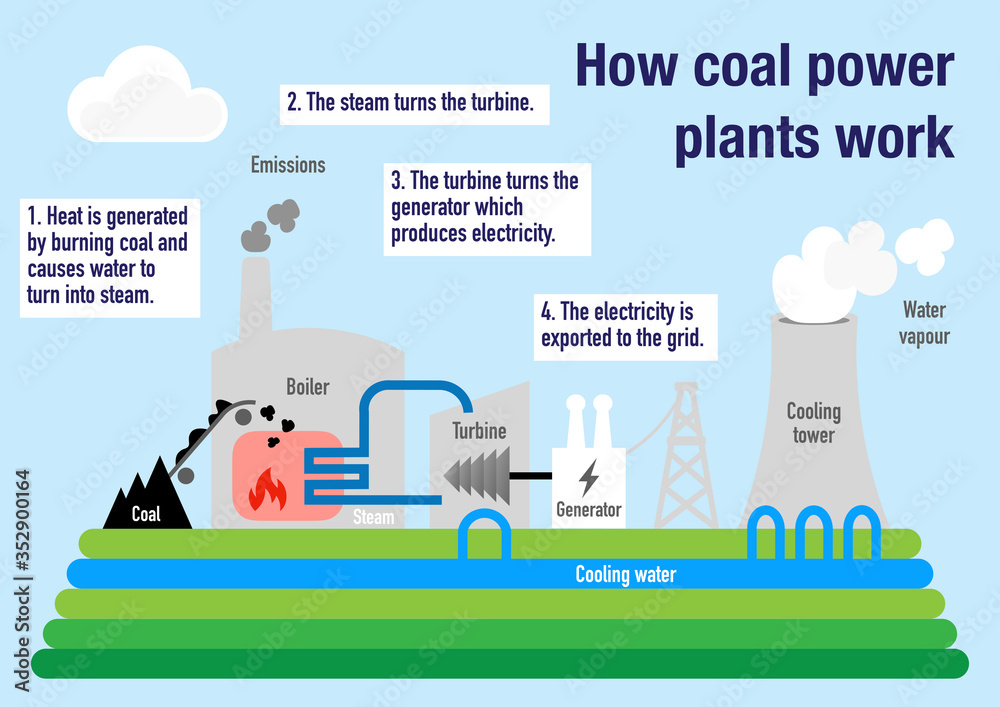
Now, for the main event! This coal powder is then blown into a massive furnace called a boiler. This isn't your average backyard grill; we're talking about a structure that can be as tall as a skyscraper, burning at incredibly high temperatures. It’s like the biggest, hottest campfire you could possibly imagine.
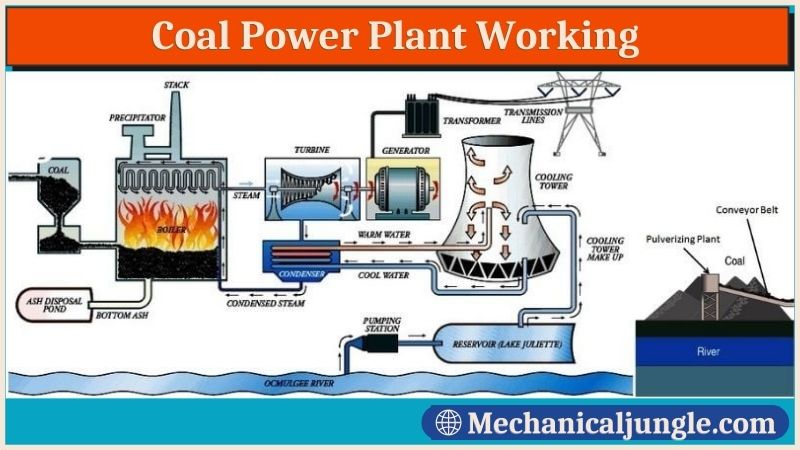
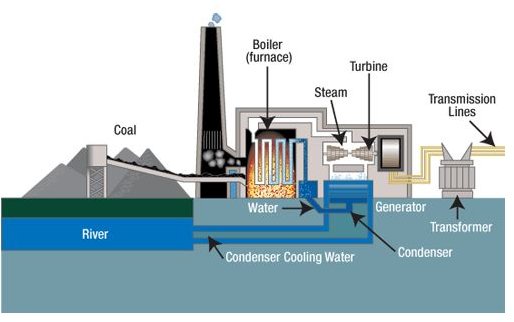
Inside this inferno, there are thousands of pipes filled with water. As the coal burns, it superheats this water until it turns into steam – not just any steam, but super-pressurized, super-hot steam. Think of a whistling kettle, but on a scale so grand it could power a whole city. This steam is under immense pressure, just bursting to escape!
The Big Spin: Making the Magic Happen
Here’s where the real "power" part comes in. This super-hot, high-pressure steam is directed at a giant machine called a turbine. Imagine a huge pinwheel or a series of massive fans, all stacked up. The steam blasts against the blades of the turbine, causing it to spin incredibly fast – hundreds or even thousands of times a minute!
This spinning turbine is connected to another colossal machine: the generator. Now, if you've ever used a bicycle dynamo to power a light or cranked a flashlight, you've seen a tiny generator in action. It takes mechanical motion and converts it into electrical energy. In a power plant, the turbine's powerful spin literally creates the electricity we use every day.
And voilà! Just like that, from a simple rock, we have the invisible current that runs our modern lives.
Cool Down and Cycle On: The Return Journey
After the steam has done its job, pushing those massive turbine blades, it's a bit tired and cooler, but still very hot. It then moves into a condenser, which is basically a huge cooling chamber. Here, the steam is cooled down, often by another stream of water (sometimes from a nearby river or lake, or from special cooling towers), turning it back into liquid water.
Why turn it back into water? Because it's much more efficient to pump water back into the boiler than to generate new water constantly. It’s a closed loop, like recycling. Those iconic, enormous hourglass-shaped towers you often see near power plants? Those are cooling towers, releasing harmless water vapor (think giant, warm breaths) as they cool the water used in the condenser.
Sending the Juice Home: To Your Socket
The electricity generated by the generator is then sent through massive transformers, which "step up" the voltage, making it powerful enough to travel long distances without losing too much energy. Then, it zips along those familiar big power lines – the transmission lines – crisscrossing the landscape. Finally, it arrives at your local substation, gets "stepped down" to a safer voltage, and flows into your homes and businesses. Ta-da!
So, Why Should We Care?
Understanding how a coal plant works isn't just a fun science lesson; it helps us appreciate where a lot of our power comes from. For a long time, coal was a cheap and abundant source of energy, fueling industrial revolutions and lighting up billions of homes. It literally built the modern world as we know it.
But here's the kicker: burning coal releases quite a bit of stuff into the air, including carbon dioxide, which is a big player in climate change. Think of it like a fantastic old car that runs really well, but has a bit of a smoky exhaust. We've learned that while it’s done a great job for us, its side effects are something we need to pay attention to.
Knowing this helps us understand why so many brilliant minds are now working hard to develop cleaner, greener energy sources like solar, wind, and hydro. It’s not about villainizing coal, but about understanding its role in our energy story and pushing for a future that’s both powerful and planet-friendly.
So, the next time you flick on a light switch, take a moment to appreciate the incredible journey that energy has made – perhaps from a tiny ancient plant, through a fiery furnace, a spinning turbine, and across miles of wires, all to bring a little bit of magic right into your everyday life!