Hot Water Tank Versus Tankless Water Heater
Ah, the glorious sensation of a hot shower on a chilly morning! Or perhaps the satisfaction of effortlessly tackling a sink full of greasy dishes. We often take it for granted, but readily available hot water is a modern convenience that significantly impacts our daily lives. From hygiene to cooking, and cleaning to laundry, the reliable delivery of heated water is an unsung hero in most households. But have you ever stopped to consider how that hot water gets to your faucet?
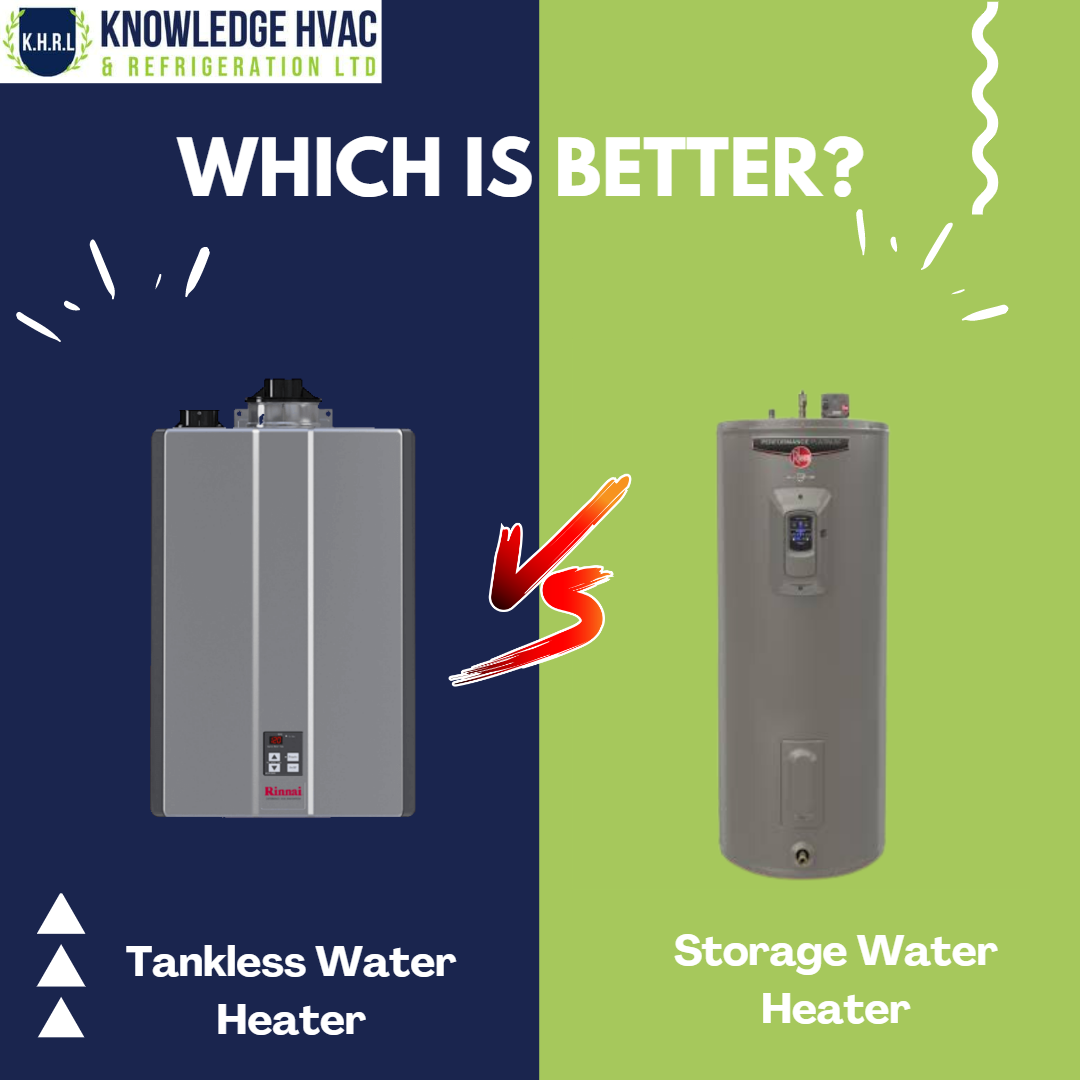
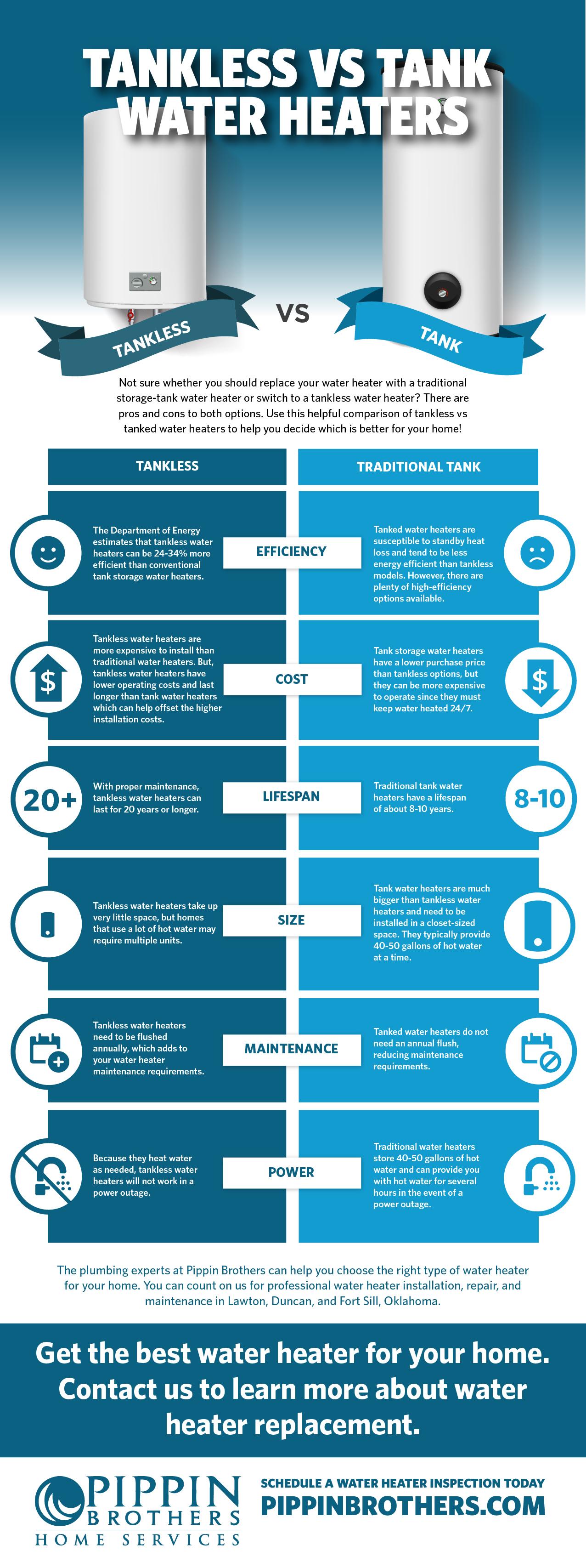
The two main contenders in the world of residential hot water delivery are the trusty hot water tank and the increasingly popular tankless water heater. Both serve the same purpose – providing you with warm water on demand – but they achieve it in very different ways. Understanding these differences can help you make an informed decision about which system is right for your needs.
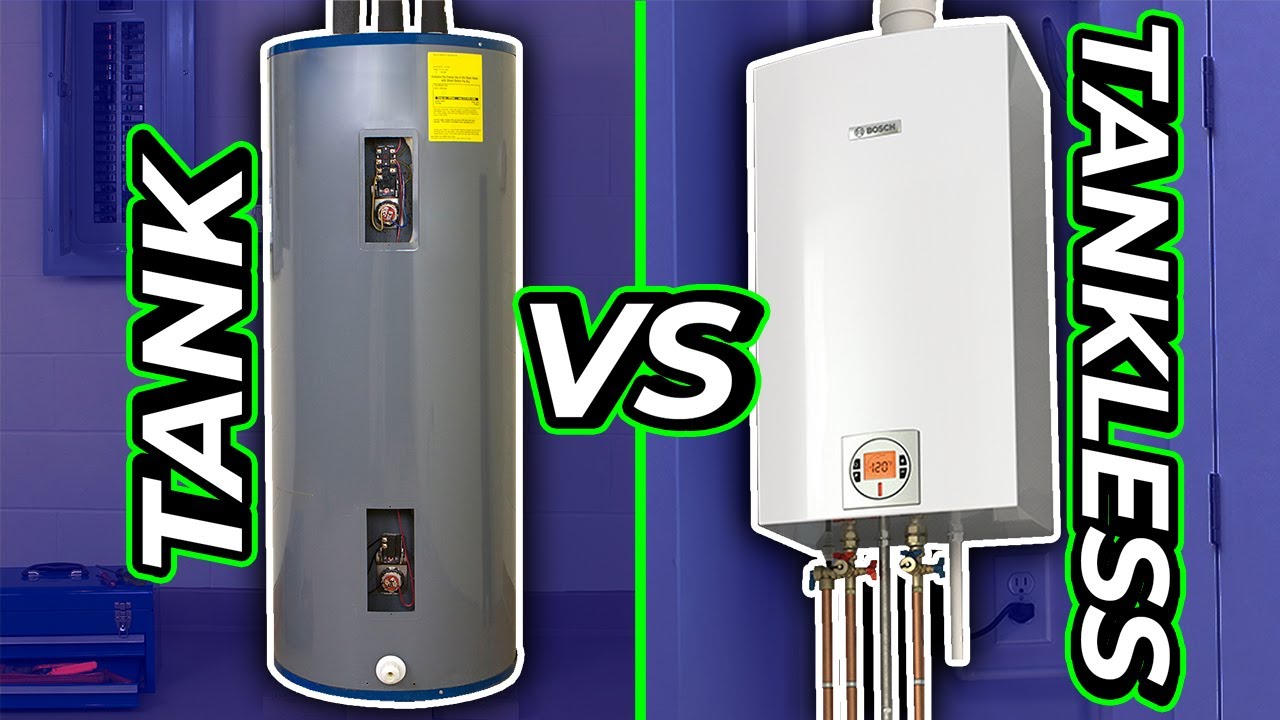
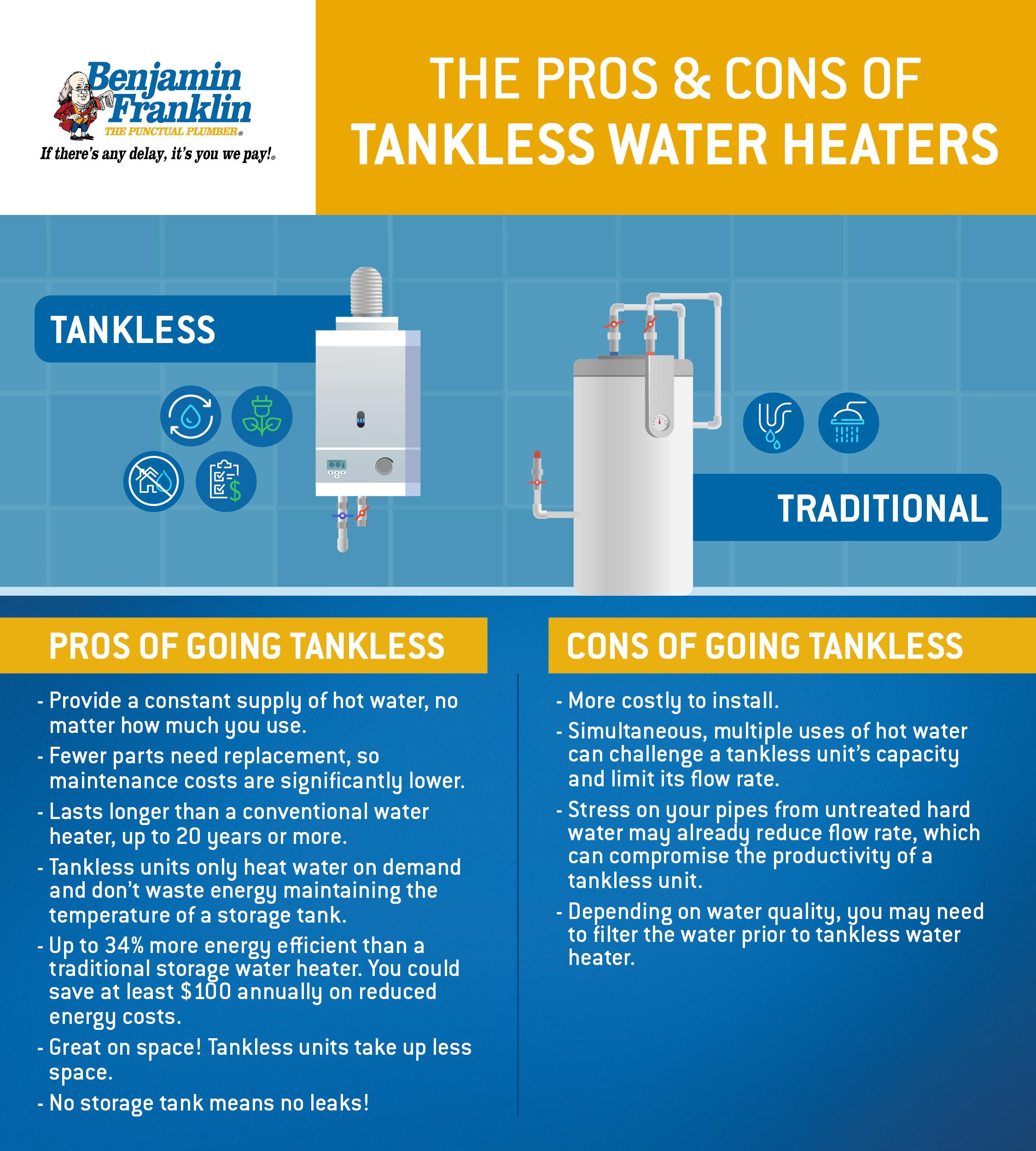
Let's start with the familiar hot water tank. These are the more traditional, and often less expensive, option. A tank-style heater works by constantly heating a reservoir of water, typically ranging from 40 to 80 gallons, and keeping it at a set temperature. When you turn on your hot water tap, the pre-heated water is drawn from the tank and replaced with cold water, which is then heated. The benefit here is readily available hot water at any time, even if multiple people are using it simultaneously (within the tank's capacity, of course!). Common examples include the standard cylindrical tanks you see in basements and garages across the country.
Must Read
Now, let's dive into the world of tankless water heaters. These systems, sometimes called "on-demand" heaters, work quite differently. Instead of storing water, they heat water only when you need it. When you turn on a hot water tap, cold water flows through a high-powered heat exchanger, which rapidly heats the water as it passes through. The advantage? An endless supply of hot water, as long as the unit can keep up with the demand. Tankless heaters are particularly appealing to larger families or those who frequently find themselves running out of hot water with a traditional tank.
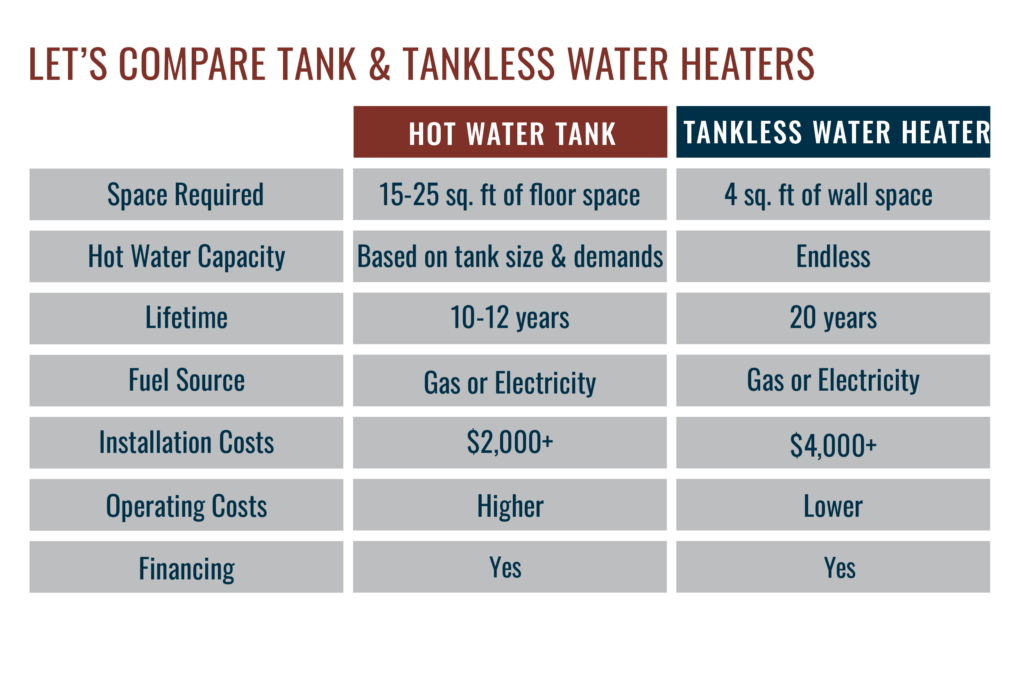
So, how can you enjoy your hot water system more effectively, regardless of which type you have? Here are a few practical tips:
- Lower the thermostat: Setting your hot water tank to 120°F (49°C) is generally sufficient and can save you money on energy costs. It also reduces the risk of scalding.
- Insulate your tank: If you have an older tank, consider adding an insulation blanket to minimize heat loss and improve efficiency.
- Flush your tank annually: Sediment buildup can reduce the efficiency and lifespan of your tank. Flushing it once a year will help remove this buildup.
- Properly size your tankless heater: If you're considering a tankless system, make sure it's properly sized to handle your household's hot water demands. A unit that's too small will struggle to keep up, leading to inconsistent water temperatures.
- Regular maintenance: Regardless of the type, regular maintenance, including checking for leaks and inspecting the heating elements or heat exchanger, will help ensure your system operates efficiently and reliably for years to come.
Ultimately, the best hot water solution for you depends on your individual needs and circumstances. Consider your budget, hot water usage habits, and available space when making your decision. With a little knowledge and planning, you can ensure that you always have a reliable supply of that precious hot water, ready to make your daily routines a little more comfortable and convenient.