Hot Water Heater Going Bad Signs

Ever had a delightful morning shower turn into a sudden, icy shock? Or perhaps you’ve been mid-dishwashing and found your hands plunged into an unexpectedly frigid sink? If so, you’re already familiar with the fundamental importance of a reliable hot water heater. It’s one of those unsung heroes of our homes, quietly working behind the scenes until, well, it isn’t. But what if you could foresee trouble brewing, before your hot water heater completely throws in the towel and leaves you shivering? Learning the signs that your trusty water heater might be on its way out isn't just a practical skill; it's a way to become a true home-savvy hero, saving you from cold surprises and potentially costly emergencies!
The purpose of understanding these warning signals is pretty straightforward: it’s all about proactive maintenance and preventative action. Instead of waiting for a catastrophic failure – which often comes with an inconvenient flood and an emergency plumber's bill – knowing the signs allows you to address issues when they’re smaller, more manageable, and often less expensive. The benefits are clear: you maintain your comfort, avoid disruptions to your daily routine, and can plan for repairs or replacements on your own terms and budget, rather than reacting under duress. Think of it as learning the language of your home's most essential appliances; once you understand their whispers, you can prevent them from shouting.
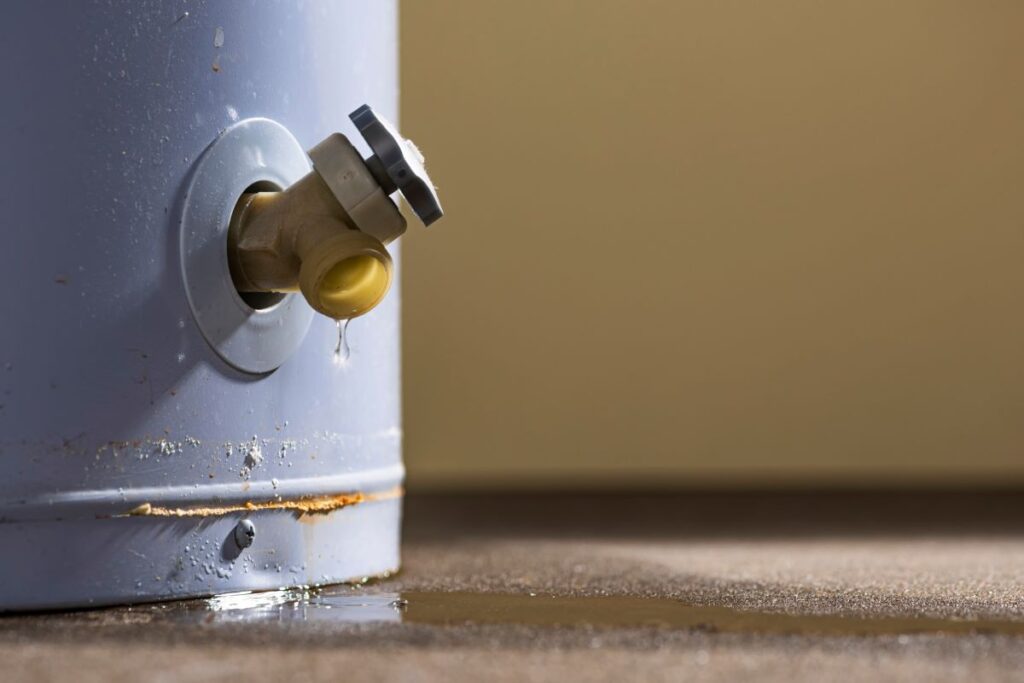
This knowledge isn't just for seasoned homeowners; it’s a vital piece of general life education. In daily life, for instance, recognizing a subtle leak around the base of the tank means you can call a professional before it turns into significant water damage requiring expensive remediation. Noticing rust-colored water could prompt you to investigate the internal corrosion of your tank, potentially extending its life or preparing you for a timely replacement. For renters, knowing these signs empowers you to report potential issues to your landlord promptly, ensuring your living conditions remain comfortable and safe. It's about being an informed resident, whether you own or rent, and taking charge of your immediate environment.
Must Read
So, how can you explore these signs and become a hot water heater whisperer? Let’s dive into some practical tips. Firstly, simply listen. If your water heater starts making strange noises – rumbling, popping, or banging – it’s often due to sediment buildup, which reduces efficiency and stresses the tank. Secondly, look for leaks. Even small puddles around the base are a serious warning sign and should be addressed immediately. Thirdly, pay attention to your water itself: is it suddenly rusty or discolored? Does it have a strange, sulfuric "rotten egg" smell? These indicate internal corrosion or bacterial growth. Of course, the most obvious sign is a sudden and persistent lack of hot water or water that simply isn't hot enough. Finally, keep an eye on your energy bills; an unexpected spike could mean your heater is working harder to compensate for inefficiency. When you notice any of these, don't panic! A simple, safe exploration might involve checking the pressure relief valve (carefully, following manufacturer instructions) or observing the appliance during its heating cycle. However, for anything more complex or concerning, your best bet is always to call a qualified plumber. They can properly diagnose the issue and offer the safest, most effective solution, ensuring your hot water returns to its regularly scheduled programming without a hitch.