
Hot Water Doesn't Last As Long As It Used To
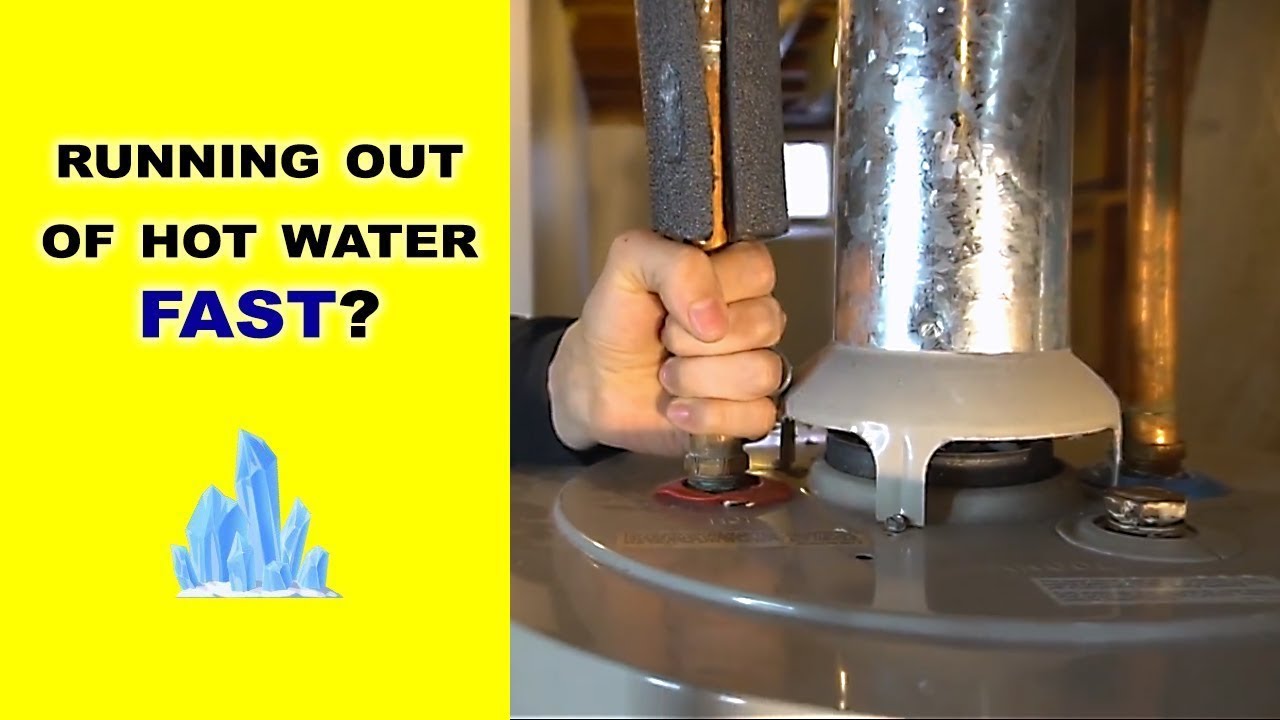
Okay, so, real talk. Ever notice your hot water heater seems… crankier lately? Like it's staging a protest against long showers?
You're not imagining things! That glorious, steaming waterfall you used to enjoy? Now it’s more of a lukewarm dribble threatening to turn arctic faster than you can say, “Where’s the shampoo?”
Let's dive into this hot (or, not-so-hot) mess.
Must Read
The Mystery of the Shrinking Hot Water Supply
Why is this happening? Well, there are a few potential culprits. It's like a detective novel, but instead of a murder, we're solving the case of the vanishing hot water. Much less morbid, right?
Sediment is a big one. Think of it as the villain in our story. Over time, minerals build up in your tank. It's basically like your water heater is slowly growing its own rock collection. A very unwelcome one.
This sediment takes up valuable space! Less space for hot water = shorter, less satisfying showers. Sad face.
And guess what? It also makes your water heater work harder. Meaning more energy and higher bills. Double sad face.
Then there's age. Yep, just like us, water heaters get old. And with age comes… inefficiency. Heating elements can weaken. Insulation can degrade. Basically, your water heater starts showing its age like that one friend who still rocks parachute pants.
Think of it this way: your water heater is like a battery. When it's new, it charges quickly and holds a charge for a long time. When it's old… well, you know how it goes. iPhone users, I'm looking at you.
Leaks are another sneaky culprit. Even tiny leaks can drain your hot water supply. Imagine trying to fill a bucket with a hole in the bottom. Frustrating, isn't it?
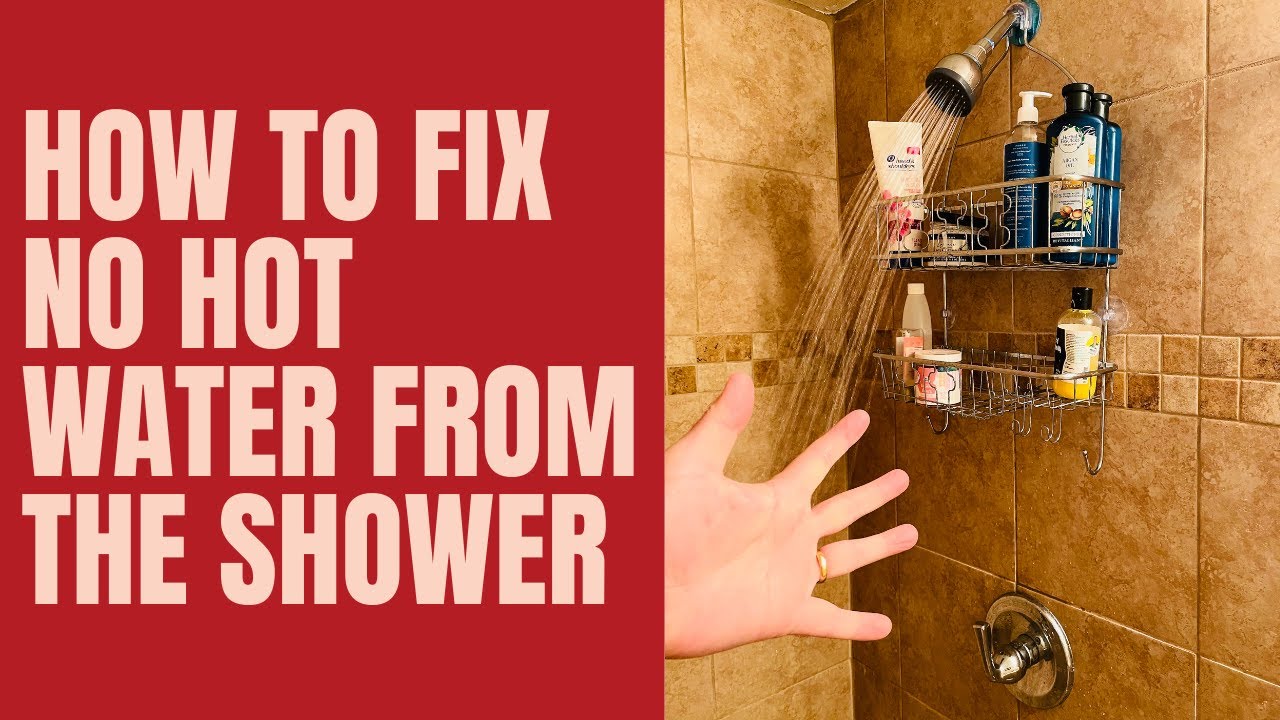
Quirky Facts & Funny Details
Did you know that some people name their water heaters? Seriously! It's a thing. Maybe if you named yours "Bubbles" or "Hottie," it would be more cooperative.
Here's a fun fact: the lifespan of a water heater is typically 8-12 years. So, if yours is older than your pet hamster, it might be time for an upgrade.
And get this: some people claim that showering with lukewarm water can actually be good for your skin! Apparently, super-hot water can strip away natural oils. Who knew? Maybe your grumpy water heater is actually doing you a favor!
Of course, there's also the possibility that everyone in your house is just suddenly taking ridiculously long showers. Has there been a sudden surge in podcast listening in your bathroom?

Think about it. Maybe your teenage son has discovered the joy of belting out power ballads in the shower. Or maybe your spouse is experimenting with elaborate hair-washing rituals that require an Olympic-sized water tank.
The point is, sometimes the problem isn't your water heater. It's the shower habits of your fellow inhabitants. (A gentle, but firm, conversation might be in order.)
What Can You Do About It?
Okay, enough doom and gloom. What can you actually do to fix this hot water crisis?
First, flush your water heater. This helps remove that nasty sediment. It's like giving your water heater a spa day. (Except instead of cucumber slices, you're using a hose.)

Second, check for leaks. Look around the base of the tank and the pipes. If you see any signs of water, call a plumber. Leaks are sneaky and can cause serious damage if left unchecked.
Third, consider upgrading. If your water heater is ancient, it might be time for a new one. Modern water heaters are much more efficient. Plus, some even have smart features that let you control them from your phone! Imagine: scheduling your hot water from the comfort of your couch. Pure bliss.
And finally, talk to your family about their shower habits. Maybe institute a shower timer. Or, better yet, challenge everyone to a "shortest shower" contest. Winner gets… extra hot water privileges?
So, there you have it. The mystery of the shrinking hot water supply, solved (or at least, explained). Now go forth and conquer your lukewarm showers! And remember, a little humor can make even a cold shower slightly more bearable.