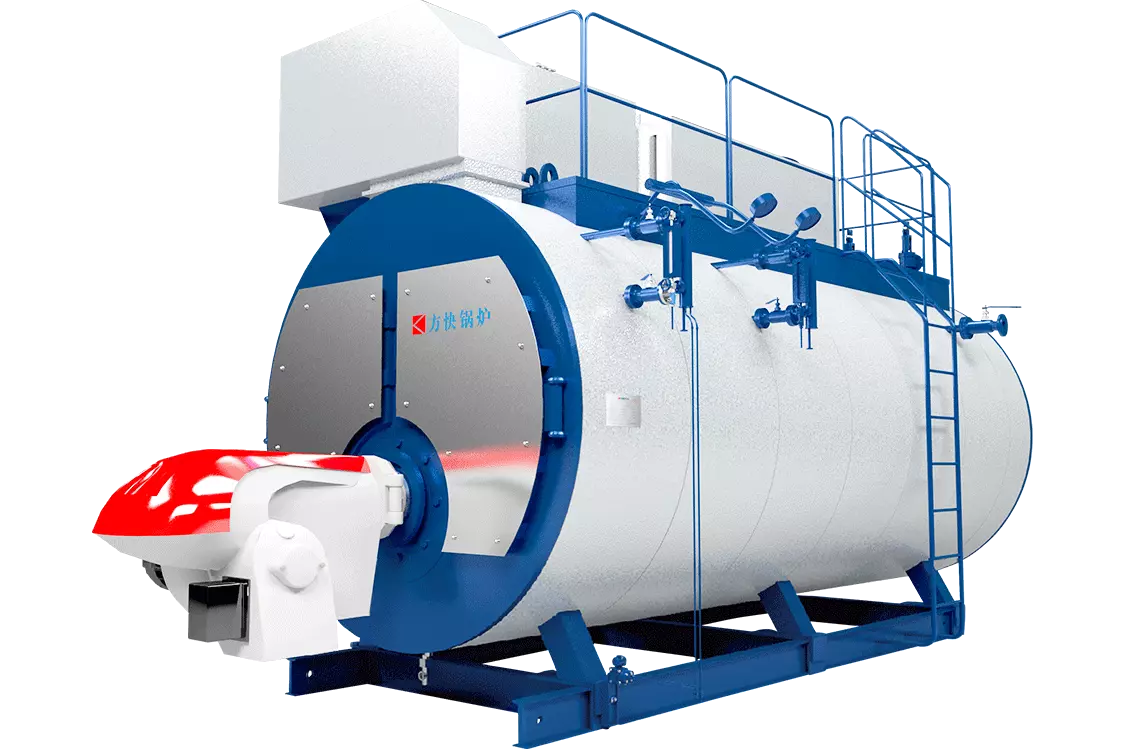
Hot Water Boiler Vs Steam Boiler

Ever paused to consider the silent symphony orchestrating your indoor comfort? We often take the warmth in our homes for granted, but behind the scenes, there's a fascinating world of engineering marvels at play. Forget the mundane; understanding the difference between a hot water boiler and a steam boiler isn't just about utility – it's an appreciation for ingenious design, a peek into the heart of our heating systems that can be surprisingly engaging. It's like discovering a hidden art form, where efficiency and warmth are the ultimate masterpieces.
For the curious soul, the aspiring tinkerer, or even the casual learner, diving into the mechanics of these systems offers a unique set of benefits. Hobbyists will find immense satisfaction in deciphering how these complex machines deliver consistent comfort, offering a chance to develop a profound appreciation for thermal dynamics and fluid mechanics. It’s a puzzle that, once understood, provides a sense of mastery and connection to the very infrastructure that surrounds us. For those with an artistic eye, there’s a surprising beauty in the functional design of pipes, valves, and gauges – a blend of form and purpose that speaks volumes about human ingenuity. It's about seeing the
So, let's explore the two main protagonists in this tale of warmth. First, we have the hot water boiler, often called a hydronic system. This is the quiet achiever, circulating heated water through a closed loop of pipes to radiators or radiant floor systems. It’s known for its
Must Read
Fancy trying your hand at understanding these systems? You don't need a hard hat and a wrench! Start by exploring online resources: watch animated videos explaining boiler cycles, read up on the history of heating technology, or even find schematics of different boiler types. If you’re lucky enough to have a boiler in your home, take a moment to observe it (from a safe distance, of course!). Notice the pipes, the gauges, and listen to its operational sounds. Consider visiting local historical sites or museums; many old buildings proudly display their original, magnificent steam boiler systems. It's all about fostering
Ultimately, engaging with the world of boilers, whether hot water or steam, is incredibly enjoyable because it connects us to a fundamental human need: warmth. It’s a journey from ignorance to insight, transforming what was once a mysterious box in the basement into a testament to engineering brilliance. It’s a chance to appreciate the