
Honeywell Thermostat Says Low Battery With New Batteries
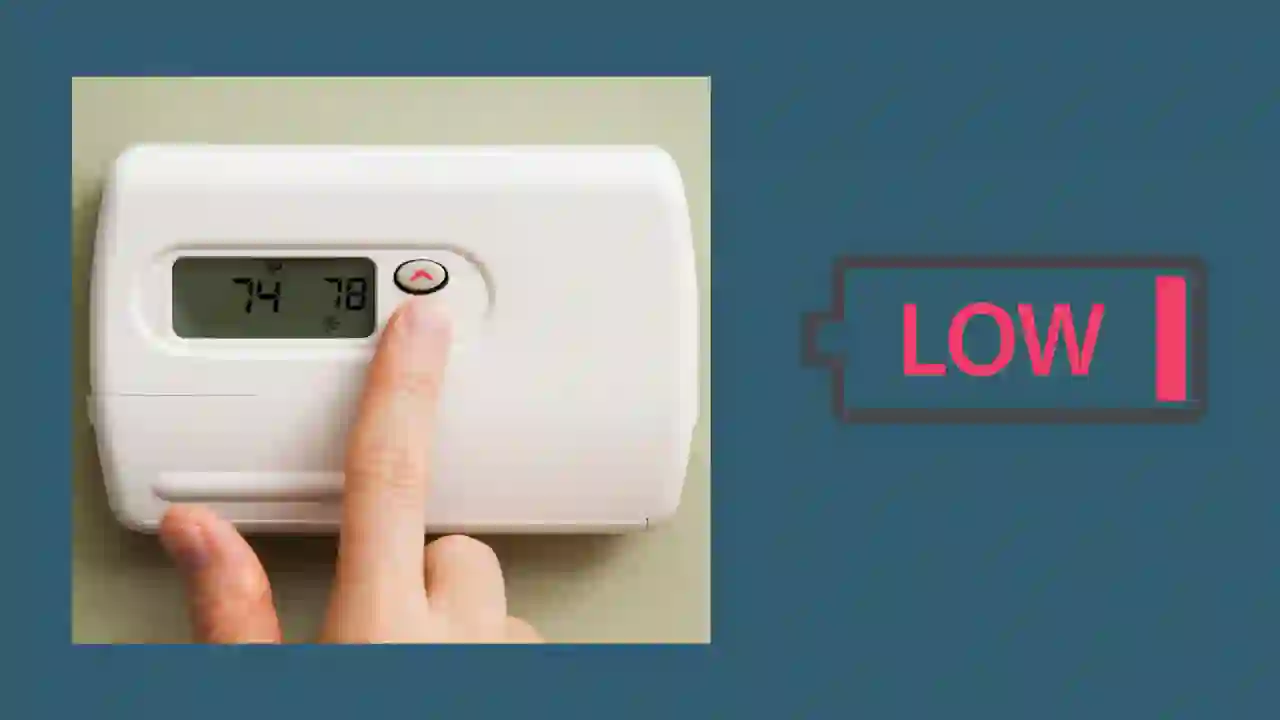
There I was, basking in the glorious, perfectly calibrated warmth of my living room. The outside world was doing its usual impression of a freezer compartment, but inside? Perfection. A silent, cozy sanctuary, courtesy of my trusty Honeywell thermostat.
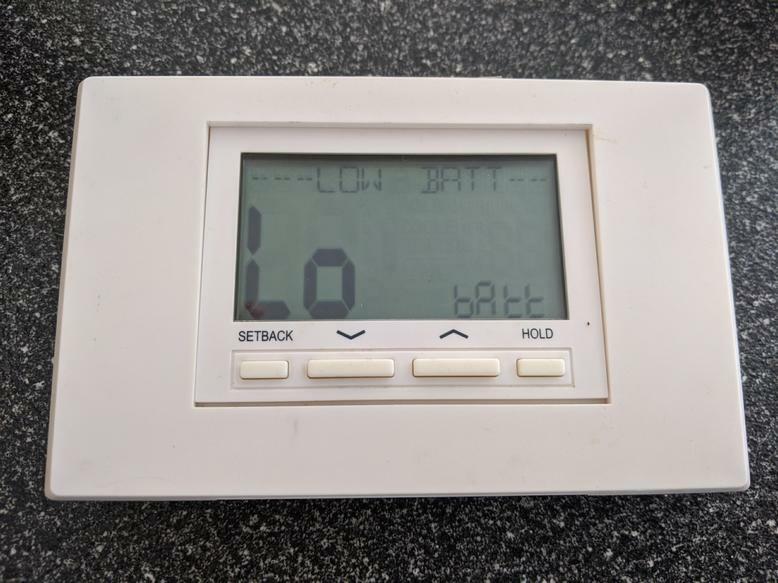
Then, it happened. A tiny, digital harbinger of doom flickered on the screen: Low Batt. Oh, you're kidding. Right now? When I'm finally achieving peak hygge?
No worries, I thought. I'm a modern adult. I know how to handle a low battery. This isn't my first rodeo with AA power cells. I puffed out my chest, retrieved my trusty screwdriver (the tiny one, specifically for such delicate operations), and grabbed a fresh pack of batteries. Energizer, Duracell, whatever brand promised to go the distance – I wasn't messing around.
Must Read
With the precision of a brain surgeon and the confidence of a seasoned pit crew member, I unclipped the thermostat, popped out the old, undoubtedly depleted cells, and slid in the shiny, new ones. They were fresh out of the blister pack, practically humming with electron-fueled optimism. I clicked the thermostat back into place, anticipating that satisfying, "ah, all fixed" moment.
A triumphant little beep echoed. The screen flickered to life. And then, like a cruel digital joke, it reappeared:
Low Batt.
My jaw hit the floor faster than a dropped soufflé. I blinked. I rubbed my eyes. I genuinely wondered if I'd slipped into some bizarre, technologically-induced alternate reality. I mean, what fresh heck was this?
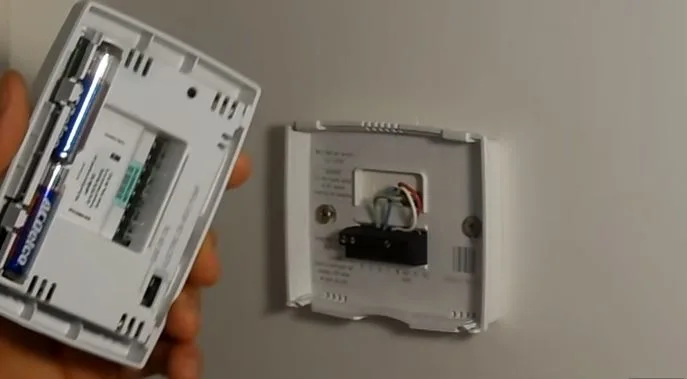
I pulled the batteries out again. Checked them. Were they perhaps... duds? Had I, against all odds, bought a pack of previously-used, cleverly repackaged relics? I went back to the drawer, grabbed another brand-new pack. Just in case. Because if a thermostat can gaslight you, it certainly can do it with cheap batteries.
Same ritual. Same triumphant beep. Same utterly soul-crushing, Low Batt message. At this point, I was beginning to suspect my Honeywell thermostat was sentient. And frankly, a bit of a jerk. Was it just messing with me? Did it enjoy seeing me flail around, questioning my own sanity and the very fabric of battery-powered reality?
I pictured it, inside its plastic shell, emitting tiny, digital chuckles as I tried a third, then a fourth, set of batteries. My wallet was starting to feel lighter, and my patience, significantly thinner. I almost bought a battery tester, just to prove to this insolent piece of plastic that, yes, these batteries were fully charged and ready to rock.
But then, a glimmer of hope. A desperate Google search led me down a rabbit hole of forums and comment sections, where other equally bewildered souls shared their tales of woe. And that's when I stumbled upon the surprising truth.
Turns out, my Honeywell thermostat wasn't an electronics snob with an insatiable appetite for fresh power. It was suffering from a classic case of... memory retention. Like a tiny, digital brain that holds onto a grudge, or in this case, the memory of a low battery, even after the power source has been replaced.
See, many electronic devices, including our beloved thermostats, have these things called capacitors. Think of them as tiny, internal energy sponges. Even when the batteries are removed, these capacitors can hold a residual charge, keeping the "low battery" error message alive and kicking in the thermostat's internal memory. It's like your computer insisting it's still running on Windows 95 even after you've installed the latest OS. It needed a proper digital cleanse, a detox for its tiny circuits.

The secret, my friends, is so ridiculously simple, it'll make you want to both laugh and pull your hair out simultaneously. Here's the magic trick:
- Take the new batteries out. Yes, the ones you just put in.
- And then... wait.
Not just a quick peek-a-boo. We're talking a proper, meditative, "go make a cup of tea, contemplate the universe, maybe even reorganize your spice rack" kind of wait. Five minutes. Ten. Maybe even fifteen if you're feeling particularly zen and your house isn't freezing. This extended battery-free vacation gives those internal capacitors – those tiny energy hoarder-thingies – time to fully discharge.
It resets the memory. It clears the cache. It essentially tells the thermostat, "Hey buddy, that whole low battery thing? Ancient history! We're starting fresh, zero-g, clean slate!"
I tried it. I removed the batteries, stared blankly at the wall for what felt like an eternity (probably seven minutes), and then, with a mix of skepticism and desperate hope, popped the "new" batteries back in. And behold! A blank screen, a triumphant boot-up sequence, and finally, blessed, glorious, NO Low Batt message. Just the sweet, sweet display of the current temperature.
It was a revelation. It was also profoundly frustrating that such a simple, counter-intuitive step was necessary. It’s like when your internet router decides to throw a tantrum and all it needs is to be unplugged for 30 seconds. Sometimes, the most sophisticated problems have the most gloriously analogue solutions.
So there you have it, the saga of the Honeywell thermostat that cried wolf, even with a fresh supply of power. It's a testament to the quirky charm of modern technology, where the solution often lies in the most bafflingly simple – and often battery-less – of places.
Next time your thermostat gives you attitude after a battery change, remember: sometimes, a little digital meditation and a capacitor cleanse is all it needs. And maybe, just maybe, we all need to "unplug" for a bit to reset our own internal "low battery" warnings too. After all, if a thermostat can hold a grudge, imagine what our brains are doing!