
Honeycombs And Snowflakes Take On This Geometric Shape
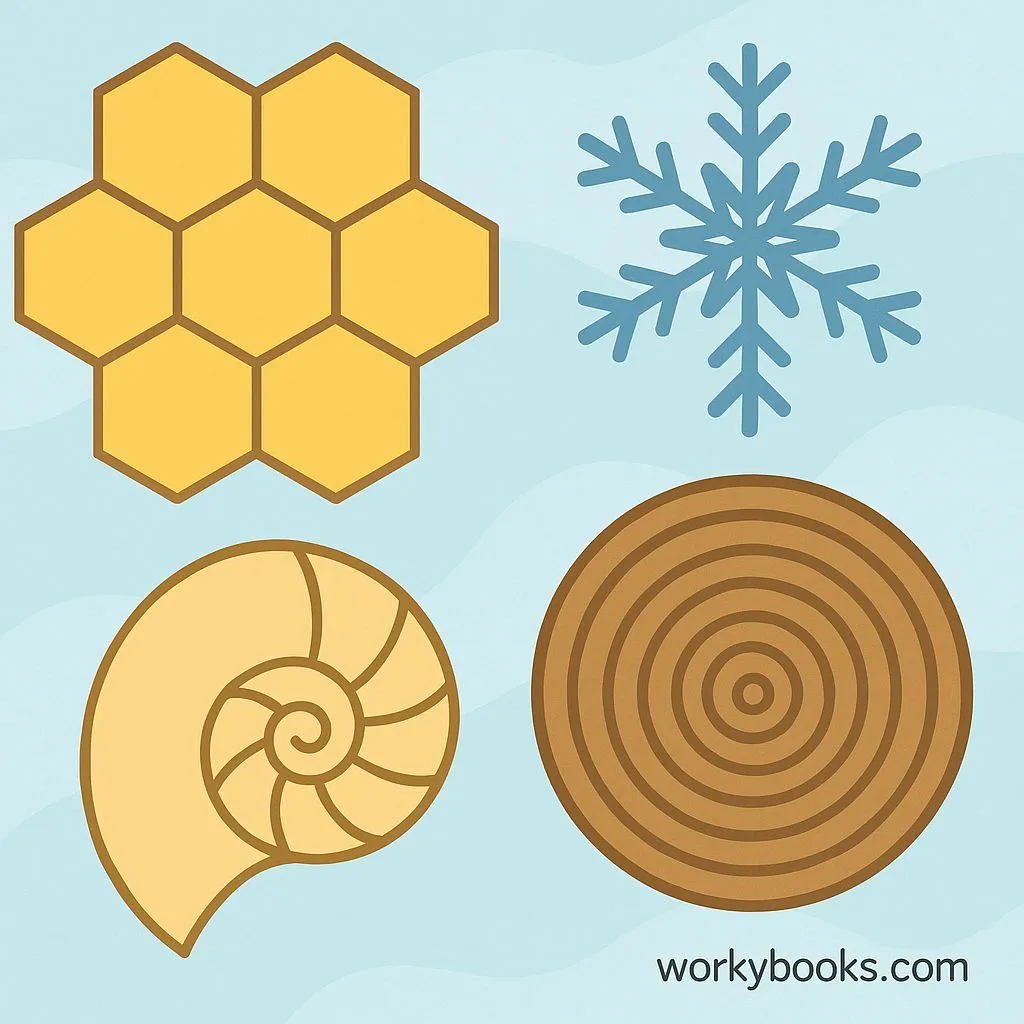
Hey, wanna hear something cool? It's about shapes. Not just any shape, though. We're talking about the hexagon! Yeah, that six-sided wonder. Think honeycombs, snowflakes, and even basalt columns. Intriguing, right?
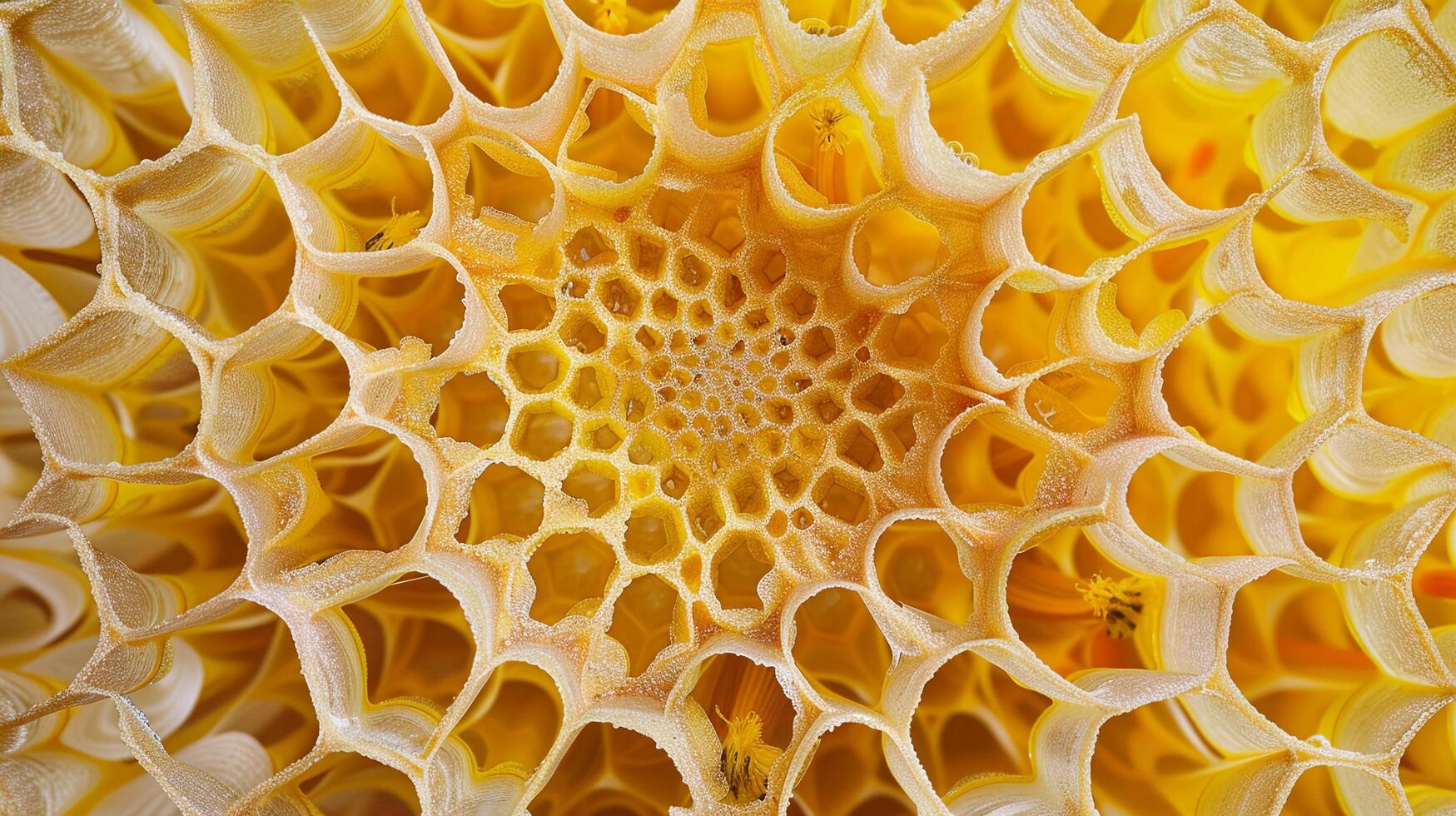
Okay, let’s start with honeycombs. Bees are basically nature's architects. They build these amazing structures out of wax. But why hexagons? It's not just random.
Bees & Their Buzzworthy Hexagons
Turns out, the hexagon is a super efficient shape. Imagine trying to fill a space with squares, triangles, or circles. Squares leave gaps, and circles... well, they're a hot mess! Hexagons? They fit perfectly together. No wasted space!
Must Read
This means bees can store more honey with less wax. They're basically optimizing their real estate. Smart, huh? Plus, hexagons are structurally strong. It's like they're saying, "Bring on the honey! We can handle it!" Forget tiny houses; bees are living in hexagonal mansions. Okay, maybe not mansions, but definitely super-efficient apartments.
But wait, there's more! Bees aren't using rulers and protractors. It's all instinct! They just know hexagons are the way to go. It's like they have a secret geometric language. Now, if only they could teach us calculus...
Snowflakes: Nature's Icy Art
Let's switch gears to something a little colder: snowflakes! Ever noticed how almost all snowflakes have six sides? Yep, hexagons strike again!
The reason? Water molecules. When water freezes, the molecules arrange themselves in a hexagonal pattern. It's all about the way they bond. Think of it like a super cool dance party where everyone holds hands in groups of six.

Each snowflake is unique. No two are exactly alike! It’s because the tiny variations in temperature and humidity as the snowflake falls create different patterns. So, next time you catch a snowflake, appreciate its hexagonal individuality. It’s a tiny, frozen masterpiece. Imagine collecting them all! You’d have a whole gallery of hexagonal art.
Basalt Columns: Earth's Giant Hexagons
Now, let's get geological! Have you ever seen basalt columns? These are tall, hexagonal rock formations. They look like they were carved by some giant, geometric sculptor.
They form when lava cools and contracts. As it shrinks, it cracks. And guess what shape those cracks tend to be? You guessed it: hexagons! Nature's just showing off at this point.

Places like the Giant's Causeway in Northern Ireland or Devil's Postpile in California are famous for these. Imagine walking among these massive hexagonal pillars. It's like stepping into a real-life geometry textbook. A very rocky, very impressive textbook.
Why Hexagons? The Math Behind the Magic
So, why are hexagons so popular in nature? It all boils down to efficiency and stability. Hexagons pack together without gaps. They distribute stress evenly. They're basically the perfect shape for many natural processes.

Think about it: It’s the strongest shape requiring the least material to build it. Other shapes can’t say that. Nature is all about minimizing effort and maximizing results. It's lazy, but in a genius way.
Next time you see a honeycomb, a snowflake, or a basalt column, take a moment to appreciate the humble hexagon. It's a reminder that math isn't just something you learn in school. It's woven into the fabric of the universe. And it's surprisingly fun to observe.
So, there you have it! A quick dip into the hexagonal wonders of the world. Who knew geometry could be so fascinating? Now, go forth and hexagon-ize your life! Okay, maybe don't actually hexagon-ize your life. But definitely keep an eye out for these cool shapes. You'll see them everywhere!