
Home Remedies To Get Rid Of Ants

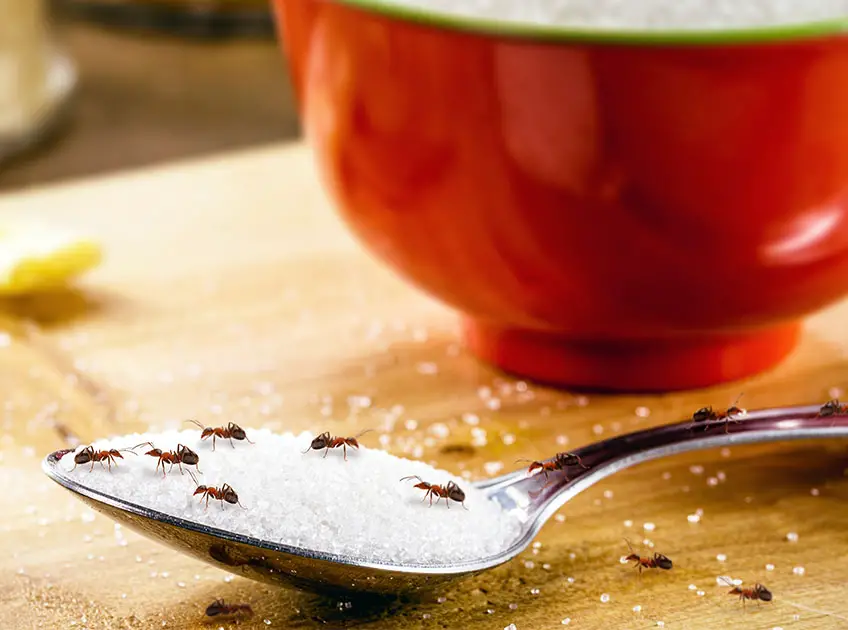
Alright, let's talk ants! Because, honestly, who hasn't had that moment? You're chilling, maybe enjoying a snack, and then — BAM! — a tiny scout ant is doing its little happy dance across your countertop. And before you can say "picnic ruiner," its entire extended family is on the way, marching in a perfectly organized, infuriating line. It’s like they have a secret WhatsApp group!
But here's the fun part: you don't always need to call in the professionals or unleash chemical warfare. Nope! We're diving into the delightful, slightly quirky world of home remedies. Think of it as a DIY challenge, a little battle of wits between you and these minuscule marvels of nature. It’s surprisingly satisfying, a bit like being a mad scientist, but with less actual madness and more kitchen ingredients. Plus, it's just plain fun to outsmart a bug with a lemon, right?
Disrupting Their Tiny GPS (Pheromone Party Crashers!)
Ants are basically tiny, highly sophisticated robots, all connected by a super-secret scent communication system. When a scout finds food, it lays down a pheromone trail, shouting, "Hey gang, free snacks this way!" Our mission? To mess with that message!
Must Read
Vinegar: The Scent-Eraser Extraordinaire. Grab your plain old white vinegar. This stuff isn't just for pickles, my friend. Mix equal parts water and vinegar in a spray bottle. Then, go on a seek-and-destroy mission for those ant trails. Spray it directly on them, wipe down your counters, windowsills – anywhere you've seen ant activity. Not only does it repel them, but it also erases their scent trails. It’s like hitting the reset button on their GPS! Plus, your kitchen gets a bonus clean. Win-win, even if it smells a bit like a chip shop for an hour.
Lemon Juice: Zesty, Zippy, Ant-Hatey! Don't fancy the vinegar whiff? Lemon to the rescue! Ants absolutely despise citrus. Squeeze some fresh lemon juice into a spray bottle with a bit of water. Spray it along entry points, cracks, and those notorious ant highways. The citric acid isn't just a powerful repellent; it also helps mess with their navigation. And hey, your house smells like a Mediterranean summer instead of a science experiment gone slightly sour. Much nicer!
Building Invisible Walls (And Not-So-Invisible Lines!)
Sometimes, it’s about creating a barrier they just don't want to cross. Or can't, in some cases!
Chalk: The Magical Line in the Sand. Remember drawing chalk lines as a kid? Turns out, it's not just for hopscotch! Draw a thick chalk line around entry points. It's an old wives' tale, but many swear by it. The theory? The powdered chalk is a physical barrier that ants don't like to cross, potentially interfering with their tiny feet or scent tracking. Or maybe they just think you've marked off a "no ant zone" and they're being polite. Either way, it’s worth a shot! It's super low-tech and makes you feel like a wizard.
Coffee Grounds: More Than Just a Morning Boost. After you've enjoyed your morning brew, don't toss those coffee grounds! Ants are apparently not big fans of the strong smell or acidity. Sprinkle dried coffee grounds around your garden, near entry points, or even on potted plants where ants might be nesting. It's a double whammy: a repellent and a natural fertilizer. You're basically giving your garden a spa day while telling the ants to scram. How considerate!

Spice Rack Warfare (But the Friendly Kind!). Your spice cabinet holds some unexpected heroes. Ants are generally turned off by strong smells. Think about it: they're sniffing out food, not a perfume counter.
- Cinnamon: Sprinkle some ground cinnamon, or place cinnamon sticks, near entry points. It smells amazing to us, but it's a giant "NOPE" sign for ants.
- Peppermint Oil: A few drops of peppermint essential oil on cotton balls placed in problem areas can work wonders. The scent is invigorating for humans but overwhelming for ants.
- Cayenne Pepper/Black Pepper: If you're feeling a little spicier, a dash of these can also deter them. Just be careful if you have pets or small children, as it can be irritating.
The Trojan Horse Approach (Tricking Their Tiny Tummies!)
Sometimes, we play a different game: offering them something they think is food, but turns out to be... not so great for them.

Baking Soda & Sugar: The Sweet Trap. Mix equal parts baking soda and powdered sugar (or regular sugar, but powdered mixes better). Place small spoonfuls of this mixture on shallow lids near ant trails. Ants love sugar, so they'll feast on it. The baking soda, however, reacts with their acidic digestive systems, and they can't burp. It's a slow, gentle, and rather ingenious way to encourage them to rethink your kitchen as a prime dining spot. Just keep it away from curious pets and kids, okay?
Cornmeal: A Confusing Meal. This one's a bit of a folk remedy, but it’s easy and non-toxic. Simply sprinkle cornmeal where ants are active. Ants will eat it, but they apparently can't digest it properly. Again, it’s a non-harmful (to us!) way to discourage them from calling your home their buffet.
The Ultimate Ant Defense: Cleanliness and Vigilance!
Seriously, the best home remedy is often the simplest: good old-fashioned tidiness. Ants are just looking for food, water, and shelter. Don't give it to them!
Wipe Away Those Crumbs! Don't leave sugary spills or crumbs hanging around. Store food in airtight containers. A clean kitchen is an ant-free kitchen. It's like turning off the "Open for Business" sign for them.
Seal Those Entry Points. Take a walk around your house. See any tiny cracks or gaps in walls, around windows, or under doors? Seal 'em up! Caulk, weatherstripping – anything to deny them easy access. It’s like fortifying your castle against a very, very tiny invading army.
So, there you have it! A whole arsenal of fun, natural, and often surprisingly effective ways to tell those little six-legged intruders, "Thanks for stopping by, but you're not staying for dinner." It's a fascinating, low-stakes game of strategy, and honestly, there's a certain satisfaction in knowing you can outsmart an ant with a bit of lemon and a dash of cinnamon. Happy ant-deterring, my friend!