
High Carbon Vs Low Carbon Steel
Ever walked into a hardware store and felt a tiny tremor of bewilderment? Like, "Steel is steel, right?" Oh, my friend, that's like saying all chocolate is the same. Delicious, yes, but very, very different in personality. Today, we're diving into the delightful drama of high carbon vs. low carbon steel, and trust me, it’s more exciting than it sounds – like comparing a laid-back surfer dude to a sharp-witted chess master.
The Easygoing Charmer: Low Carbon Steel (aka Mild Steel)
Imagine your friend who's always up for anything. They're super flexible, go with the flow, and if they get into a little fender bender, they just shrug it off and get patched up without much fuss. That's low carbon steel for you. We often call it mild steel, and it’s the most common type out there, making up about 90% of all steel production. It's the ultimate everyday hero.
Think about it: the body of your car? Probably low carbon steel. When you accidentally ding your car door, it dents, right? It doesn’t shatter into a thousand pieces like a fancy glass vase. That's its superpower! Low carbon steel is wonderfully ductile, meaning it loves to be stretched and shaped without breaking. It's also super easy to weld, like it's saying, "Just connect me to my buddies, no problem!"
Must Read
From paperclips (imagine a paperclip that snapped instead of bending – chaos!) to those big, beautiful I-beams holding up skyscrapers, low carbon steel is the reliable workhorse. It's affordable, easy to work with, and generally just a pleasant, agreeable chap in the world of metals. If steel had a comfort food, low carbon steel would be a grilled cheese sandwich – simple, satisfying, and always there for you.
The Serious Professional: High Carbon Steel
Now, meet the other end of the spectrum: high carbon steel. This is your friend who’s incredibly sharp, super strong, and capable of amazing feats of precision, but maybe a little bit brittle if they drop their guard. They’ve got a higher carbon content, which makes them much harder and stronger than their mild-mannered cousin.

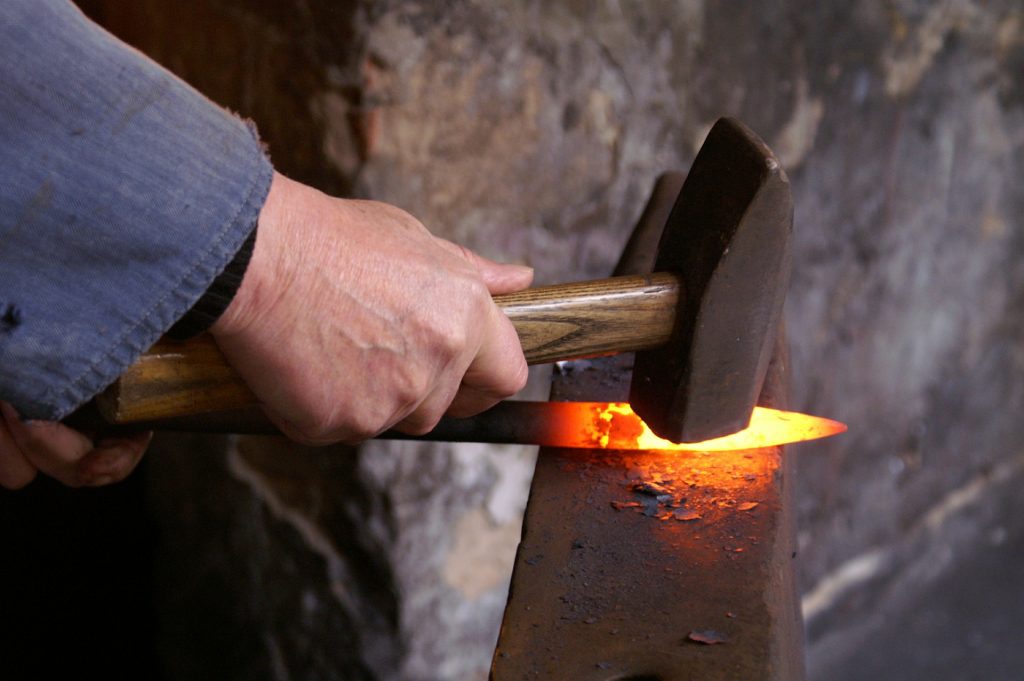
What does this mean in everyday life? Think about your kitchen knives. You want them to hold a razor-sharp edge, right? That’s high carbon steel doing its thing. It's fantastic for tools that need to be incredibly hard and resistant to wear, like chisels, hammers, drill bits, and springs. It can take a beating and keep its shape, almost like a bodybuilder who can lift enormous weights without breaking a sweat.
But here’s the catch, and it’s a big one: with great hardness comes… well, less bendiness. High carbon steel is more brittle. If you drop a really good, sharp chef's knife onto a tile floor, there's a good chance the blade might chip or even snap, rather than just bending. It's like that super-focused friend who's amazing at their specialized skill but might not be the best at improvising when things go sideways.

It's All About That Carbon
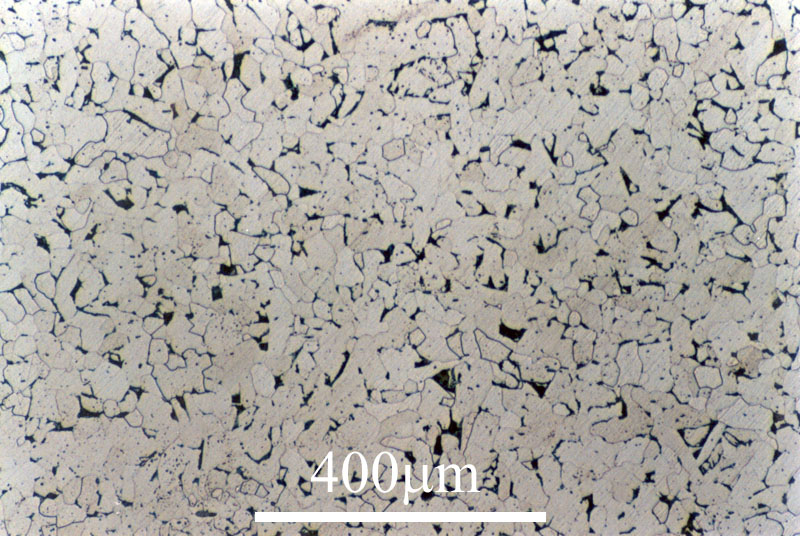
So, what’s the big secret sauce? You guessed it: carbon! It’s like the barista adding a tiny bit more espresso to your latte. A little extra carbon (from about 0.6% up to 2.5% for high carbon, versus less than 0.25% for low carbon) fundamentally changes the steel’s properties. It transforms it from a bendy, forgiving material into a hard, tough, edge-holding champion.
It’s not about one being "better" than the other, any more than a hammer is "better" than a screwdriver. They're just different tools, designed for different jobs. You wouldn't try to hammer a screw, and you certainly wouldn't try to tighten a screw with a hammer (unless you're really desperate and slightly unhinged!).
Choosing the Right Steel for the Job
Imagine building a car body out of high carbon steel. It would be incredibly strong, yes, but in a crash, instead of crumpling and absorbing impact (which saves lives!), it would likely just shatter like pottery. Not ideal for safety! And conversely, imagine trying to slice a tomato with a knife made of low carbon steel. You'd be re-sharpening it after every other slice, if it even got through the skin.
So, the next time you see a car, a bridge, a trusty screwdriver, or even your favorite kitchen knife, give a little nod of appreciation. You’re looking at a carefully chosen steel, perfectly matched to its purpose. It's a subtle science that affects our lives every single day, proving that even in the world of metal, personality matters.
From the chill, go-with-the-flow mild steel to the sharp, no-nonsense high carbon variety, the world of steel is a fantastic ensemble cast, each playing their vital part to keep our world spinning smoothly and efficiently. And that, my friends, is something worth smiling about!
