Henry Hub Price Of Natural Gas

Alright, settle in, grab another cup of coffee. We're about to talk about something that, on the surface, sounds as thrilling as watching paint dry: the price of natural gas. Specifically, the Henry Hub price. Now, don't let your eyes glaze over just yet! I promise, this isn't some snooze-fest economics lecture. Think of it as the dramatic, often hilarious, behind-the-scenes story of what makes your oven bake and your house toasty.
You see, natural gas is a bit like the unsung hero of our modern world. It powers about half our electricity, warms our homes, and cooks our ramen noodles. But unlike, say, the price of a gallon of milk, which usually just inches up, the price of natural gas can swing faster than a chimpanzee on a caffeine high. And the king of this chaotic kingdom? That would be Henry Hub.
So, Who (or What) Exactly Is Henry Hub?
Is it a billionaire oil tycoon named Henry? A fancy, glass-and-steel trading floor in Manhattan? Nope, no, and definitely not. Henry Hub is, believe it or not, a rather unassuming spot in Erath, Louisiana. Imagine a spaghetti junction for natural gas pipelines, a massive intersection where nine interstate and four intrastate pipelines meet. It’s like the Grand Central Station for gas, just with fewer commuters and a lot more pipes.
Must Read
This humble little corner of Louisiana isn't famous for its vibrant nightlife or stunning natural beauty. It’s famous because it’s where a gargantuan amount of North America's natural gas literally passes through. And because so much gas converges there, it’s become the official delivery point for the NYMEX natural gas futures contract. In plain English? It’s where the big dogs of the energy world agree on a price for gas that hasn't even been delivered yet. It’s the benchmark, the gold standard, the Beyoncé of natural gas pricing.
Why Does This Obscure Louisiana Crossroads Matter To Your Wallet?
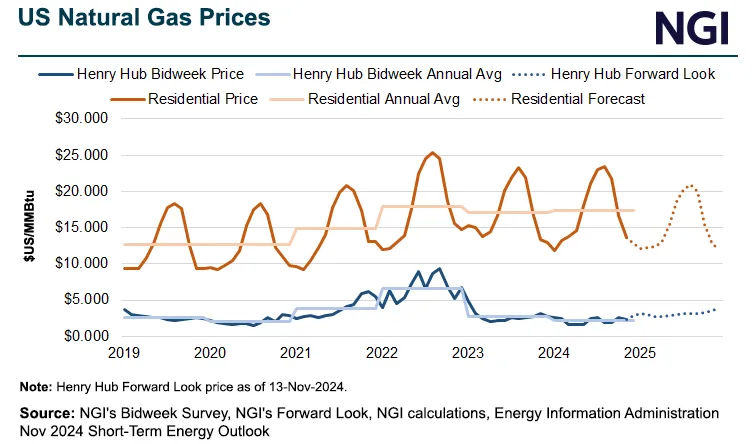
Because the price set at Henry Hub is essentially the wholesale price for natural gas across most of North America. If the price at Henry Hub sneezes, your heating bill might catch a cold. It’s the closest thing we have to a unified, transparent price for this incredibly vital commodity. So, when you hear about natural gas prices soaring or plummeting, chances are, they’re talking about what’s happening at Henry Hub.
What Makes the Henry Hub Price Do the Cha-Cha?
Oh, so many things! It's a complex dance with many partners. Here are the usual suspects:
1. The Weather Report (aka Mother Nature's Mood Swings)
This is probably the biggest mover. Think about it: a brutally cold winter across the Midwest and Northeast? Everyone cranks up the heat, demand for natural gas skyrockets, and so does the price. Suddenly, everyone's scrambling for gas like it's the last roll of toilet paper during a pandemic. Conversely, a mild winter means less demand, and prices tend to chill out. Same goes for scorching summers and the need for air conditioning, which often runs on natural gas-fired power plants. Henry Hub is essentially a giant weather vane for your energy costs.
2. Supply and Demand (The Eternal Economic Tango)
It's basic economics, but on a grand scale. If there's a shale gas boom and we're practically tripping over natural gas, prices tend to drop. America has been swimming in natural gas thanks to the fracking revolution, keeping prices relatively low for years. But if production slows, or if new pipelines are delayed, or if we start shipping vast quantities of Liquefied Natural Gas (LNG) overseas, that supply side tightens up. Less gas = higher prices. More gas = lower prices. Simple, yet profoundly impactful.

3. Storage Levels (The Gas Piggy Bank)
Imagine giant underground caverns, salt domes, and depleted gas fields filled with natural gas, acting like the nation’s emergency savings account. How much gas is tucked away in storage for future use is a huge indicator. If storage levels are low heading into winter, people get nervous, and prices tend to rise. If storage is busting at the seams, it signals an abundance, and prices dip. It's like checking the pantry before a holiday feast – are we going to have enough?
4. Global Events (The Ripple Effect)
While Henry Hub is primarily a North American benchmark, the world is increasingly interconnected. Disruptions in global energy markets, geopolitical tensions in Europe or Asia, or even just a particularly large increase in demand for U.S. LNG exports can send ripples through the Henry Hub price. It's a reminder that even if you're just trying to heat your home in Ohio, there's a whole world of energy drama playing out.
5. The Rise of Renewables (The New Kids on the Block)
As solar and wind power become more prevalent, they can sometimes displace natural gas-fired electricity generation, especially during peak sunny or windy periods. This can reduce demand for natural gas, putting downward pressure on prices. It's a slowly evolving dance, but an important one for the future of energy pricing.
The Rollercoaster Ride: Expect Volatility
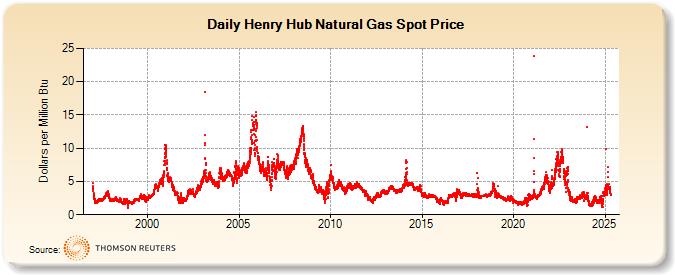
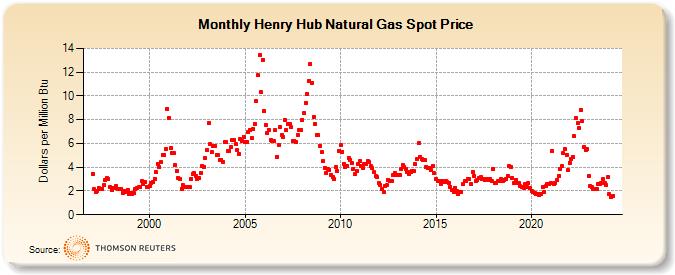
The Henry Hub price is infamous for its volatility. It’s not uncommon to see prices swing by 10% or more in a single day based on a new weather forecast or an unexpected pipeline outage. Why? Because natural gas is difficult and expensive to store in massive quantities, and it’s tricky to transport over long distances without pipelines. This lack of flexibility means the market reacts sharply to changes in supply or demand, much like a startled cat.
So, the next time your utility bill arrives, or you hear a news report about energy prices, remember our unassuming hero: Henry Hub. It’s the invisible hand, or rather, the intricate network of pipelines, quietly orchestrating the price of the natural gas that makes so much of our modern life possible. And it does so from a little spot in Louisiana that most people couldn't find on a map. Isn't the energy world just full of charming surprises?