Heat Pump Dryer Vs Gas Dryer

Ever find yourself standing in the laundry aisle, staring at a wall of gleaming machines, wondering what a "heat pump" dryer is and if it's worth the hype compared to the good old gas dryer? You're not alone! In a world where every dollar counts and we're all looking for smarter ways to live, diving into appliance choices can actually be pretty fascinating. It’s not just about getting clothes dry; it’s about understanding how your home works, saving money on those monthly bills, and even doing a little bit for the planet. So, let’s peel back the curtain on these two common contenders and see why this comparison is both incredibly useful and surprisingly popular!
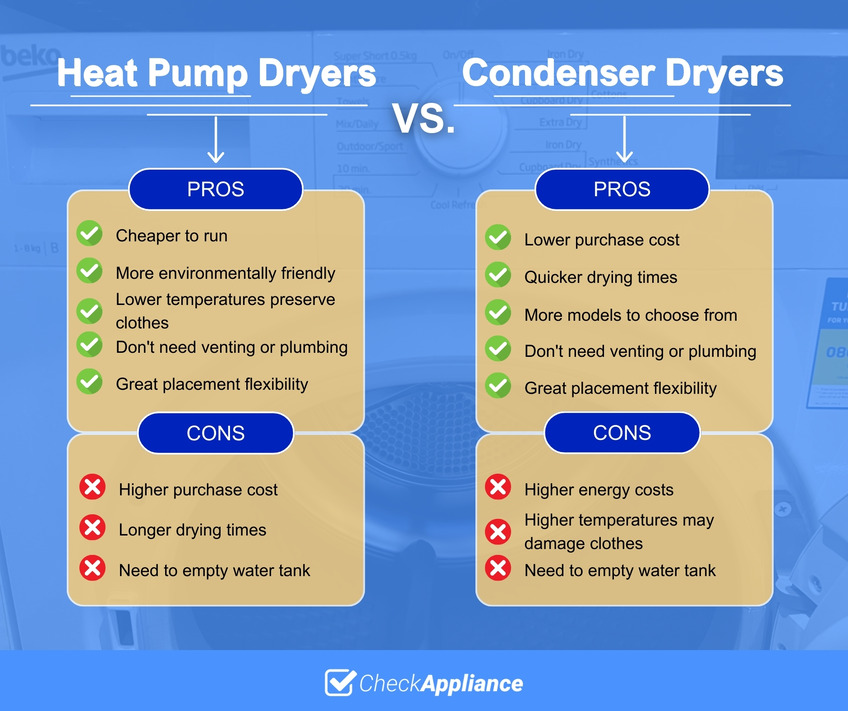
For beginners, understanding the core differences between a heat pump and a gas dryer is crucial. It’s about making an informed decision that will impact your utility bills and daily routine for years, avoiding buyer's remorse. For busy families juggling mountains of laundry, the benefits truly shine. Think lower energy costs over the long haul, which can add up significantly when you’re running loads daily. Plus, heat pump dryers are often gentler on clothes, meaning your kids’ favorite outfits might last a little longer – a win for the budget and for avoiding wardrobe meltdowns! Even for hobbyists or the eco-conscious homeowner, exploring these options means delving into energy efficiency and sustainability, aligning your home choices with your values.
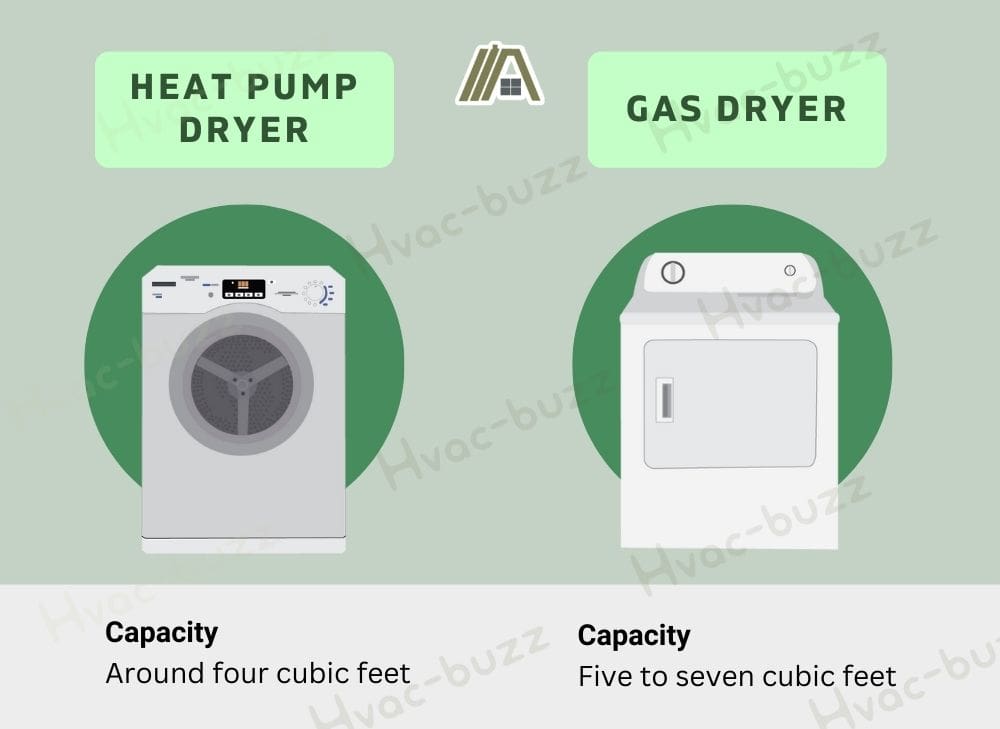
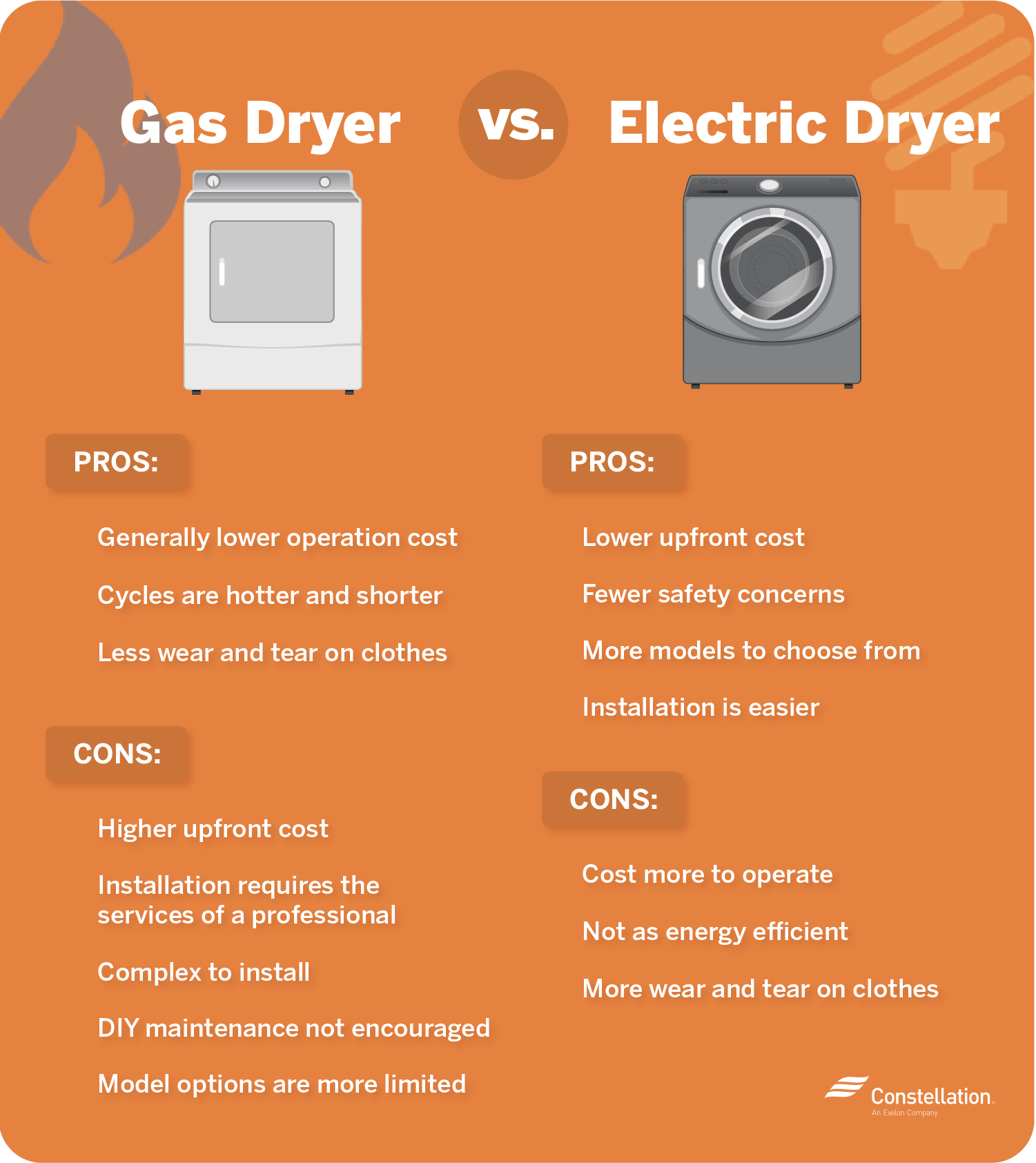
So, what's the big difference? A traditional gas dryer uses natural gas to generate heat, which is then vented out of your home. They're typically very fast and have been a household staple for ages, but they require a gas line and an external vent. On the other hand, a heat pump dryer is more like a clever air conditioner in reverse. It heats air by compressing a refrigerant, circulates it through your clothes, extracts the moisture, and then reuses the warm air. This means it doesn't need external venting – a huge plus for apartment dwellers or homes without easy vent access – and it's incredibly energy-efficient. The main variation within heat pump dryers is how they handle condensed water: some collect it in a reservoir for manual emptying, others plumb directly into a drain.
Must Read
Ready to make a choice? Here are some simple, practical tips to get started. First, assess your home setup: do you have a natural gas line readily available for a dryer, or would an electric-only option be simpler? Also, consider your space: can you easily vent a dryer outside, or would a ventless heat pump dryer give you more flexibility? Next, think about your laundry volume. Gas dryers are generally faster for very large loads, while heat pump dryers, though more efficient, might take a bit longer. Don't forget to look at the Energy Star rating for any model you consider; it’s a quick way to gauge its long-term operating cost. Finally, balance upfront cost versus potential long-term utility savings – a higher initial price can save a bundle later.
Choosing a dryer might not be the most glamorous decision you make, but it’s definitely one that impacts your daily life and your wallet. By understanding the ins and outs of heat pump versus gas dryers, you’re not just buying an appliance; you're investing in your home’s efficiency, your budget, and maybe even a little bit of peace of mind. So go forth, compare with confidence, and enjoy the satisfaction of making a truly smart choice for your laundry routine!