
Has A Category 5 Hurricane Ever Made Landfall
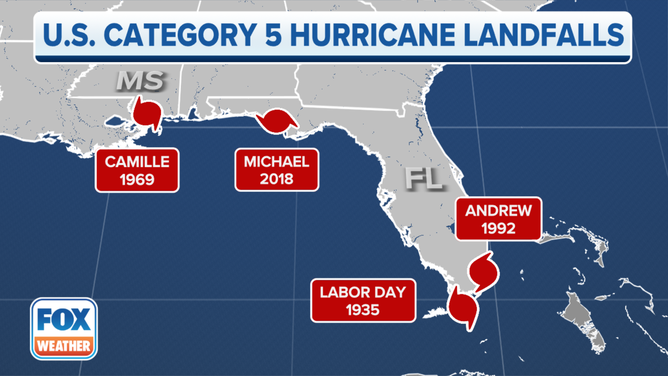
Okay, let's talk hurricanes! Big, swirling, scary storms. We all know 'em, right? But have you ever stopped to think about the absolute worst they can get?
Category 5: The Beast
Think of the Saffir-Simpson scale. It's like the hurricane Richter scale. It goes from a breezy little Category 1 to a monstrous Category 5. Category 5? That's when things get REALLY interesting. We're talking sustained winds of 157 mph or higher. Imagine trying to hold onto your hat in that wind!
So, the million-dollar question: Has one of these beasts ever actually landed? Short answer: Yep! Many times in history, Category 5 hurricanes have screamed ashore.
Must Read
Hitting Land: A Rude Awakening
Why is landfall so important? Well, it's where the rubber meets the road (or, you know, where the wind meets the houses). When a Category 5 slams into land, it unleashes its full fury. Think storm surge swallowing coastlines. Think trees uprooted and tossed like toothpicks. Think buildings... well, let's just say they don't fare too well.
Did you know that storm surge is often the deadliest part of a hurricane? It's not just the wind! It's a wall of water pushed inland by the storm. It can flood entire towns in a matter of hours.
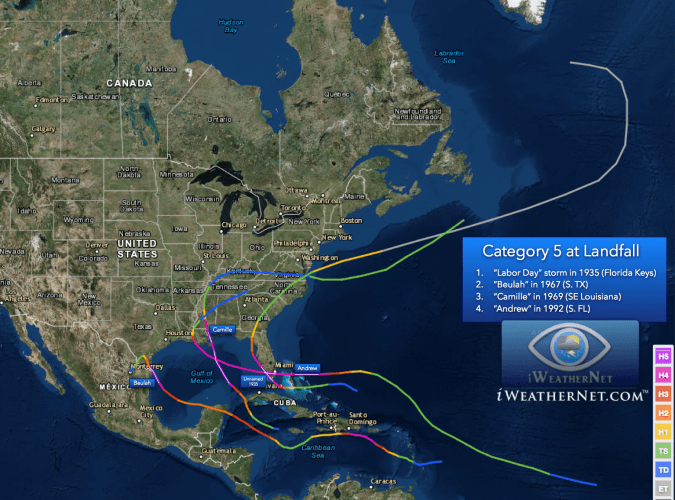
Historical Heavy Hitters
Let’s name drop a few infamous Category 5 landfalls. Hurricane Andrew in 1992, carving a path of destruction through South Florida. The Labor Day Hurricane of 1935, which decimated the Florida Keys. Those were some serious storms.
And don't forget Hurricane Katrina in 2005! While it weakened slightly before landfall, its impact on New Orleans was catastrophic. Shows you that even a near-Category 5 can cause immense damage.
Then there's Hurricane Michael in 2018. It surprised everyone when it rapidly intensified right before hitting the Florida Panhandle. A shocking example of how quickly things can change.

But wait, there's more! Let's go global. Places like the Philippines, which can be hit hard. Typhoon Haiyan (Yolanda) in 2013 was absolutely devastating. A grim reminder that hurricanes, or typhoons as they're called in the western Pacific, are a worldwide threat.
Why So Few? (Relatively Speaking)
You might be thinking, "If hurricanes happen so often, why don't more of them make landfall as Category 5s?" Good question! Here's the deal: Maintaining that kind of intensity requires very specific conditions. Warm ocean water fuels the storm. Low wind shear (changes in wind speed and direction with altitude) allows it to stay organized. And a bit of luck, honestly.
Many potential Category 5s weaken before making landfall. They might encounter cooler water or stronger wind shear. It's like hitting a speed bump on their way to causing havoc.
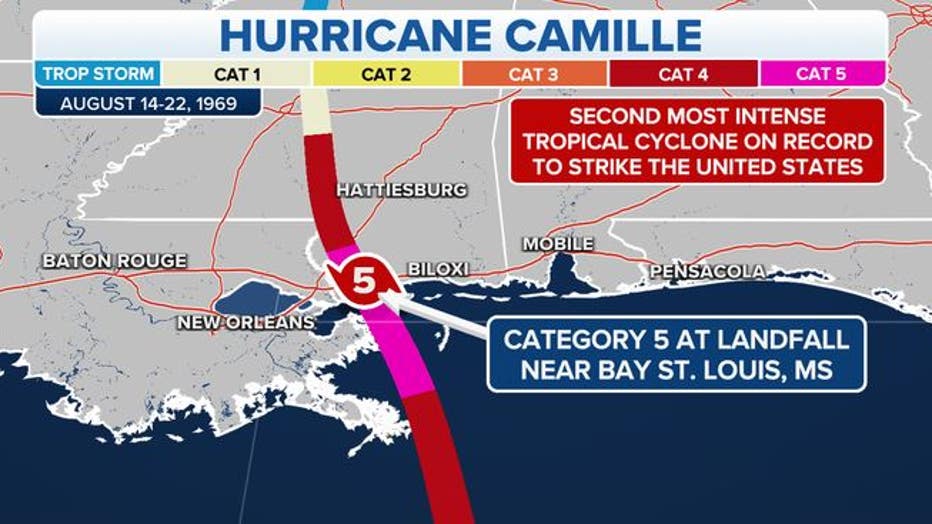
The Future is...Stormy?
So, what about the future? Are we going to see more Category 5 landfalls? Climate change could be a factor. Warmer ocean temperatures provide more fuel for hurricanes. But it's a complex issue, and scientists are still working to understand all the details. One thing's for sure: preparation is key.
It's important to stay informed during hurricane season. Know your evacuation routes. Have a plan for your family and pets. And don't underestimate the power of these storms!
Fun Facts (Because Why Not?)
Did you know that hurricanes have different names in different parts of the world? In the Northwest Pacific, they're called typhoons. In the South Pacific and Indian Ocean, they're cyclones.

And here's a quirky one: Retired hurricane names are a thing! If a storm is particularly deadly or destructive, its name is retired so it won't be used again. It's like a weather hall of fame... or infamy, depending on how you look at it.
One last thing. The eye of a hurricane is actually calm! It's like the storm takes a brief breather in the middle of all the chaos. But don't be fooled! The eyewall, the area right around the eye, is where the strongest winds are.
The Takeaway
Category 5 hurricanes are rare, but they are a reality. And they are definitely something to respect. While we can't control the weather, we can be prepared. Stay safe out there, friends! And maybe keep an eye on the sky… just in case.