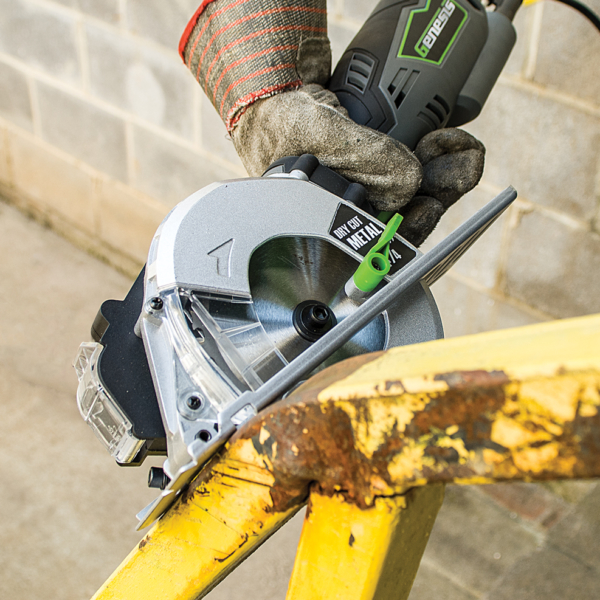
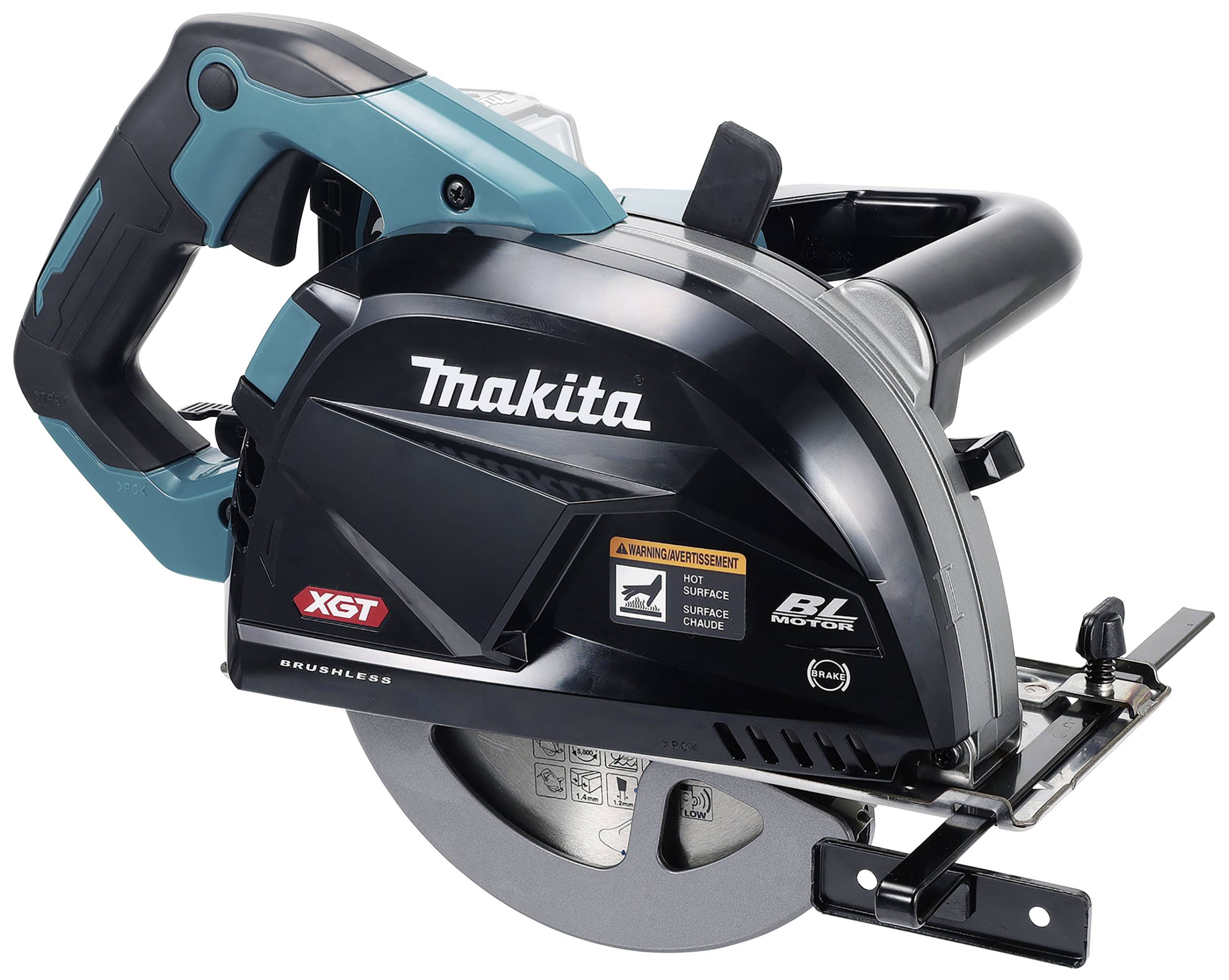
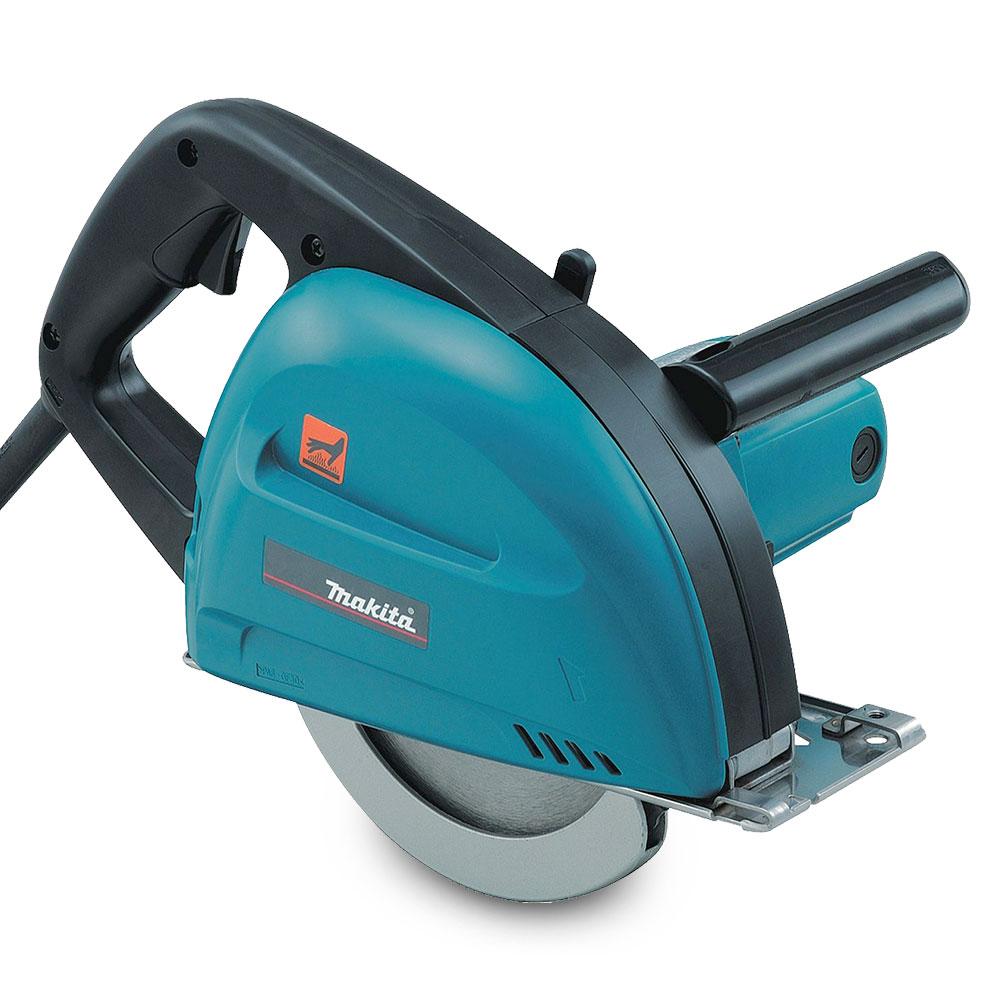
Hand Held Metal Cutting Saw
Have you ever looked at a metal shelf that’s just a little too long, or a bolt that won’t quite fit, and thought, “If only I could trim that down”? Or perhaps you’ve seen a craftsperson effortlessly shaping metal and wondered how they achieve such precision. Well, welcome to the intriguing world of the hand-held metal-cutting saw – a surprisingly versatile and empowering tool that’s far more accessible than you might think! Learning about these tools isn't just about technical know-how; it's about unlocking a new level of DIY potential and understanding the fascinating process of transforming raw materials. It’s genuinely fun to realize you can take control and customize things yourself, rather than relying on pre-made solutions.
At its core, a hand-held metal-cutting saw is designed for one primary purpose: to cut through various types of metal with manual effort or portable power. We're not talking about huge industrial machinery here, but compact tools you can easily manage. Think of materials like steel, aluminum, copper pipes, or even thick bolts. The benefits are numerous. These saws offer incredible portability, allowing you to make cuts precisely where you need them, whether that’s under a sink or in your backyard. They provide a surprising degree of control, often allowing for cleaner, more precise cuts than some heavier-duty power tools. Plus, for many tasks, they are significantly safer and produce fewer sparks than, say, an angle grinder, making them ideal for everyday DIYers. It’s about having the right tool for the job, one that grants both efficiency and peace of mind.
So, where do these nifty saws pop up? Their utility spans from your garage to dedicated workshops. In daily life, they're invaluable for common repairs and home improvement projects. Imagine needing to shorten a metal pipe for a plumbing fix, cutting down a stubborn rebar for a garden project, or even resizing metal shelving units to fit a specific space. Many hobbyists use them for crafting intricate metal art pieces or building custom components for their projects. In the realm of education, these saws are foundational. Shop classes often introduce students to hand-held hacksaws to teach material properties, tool safety, and the basics of fabrication. Engineering and design students might use compact versions to prototype parts, while art students explore metalworking, transforming sheets and rods into sculptures or jewelry. They foster problem-solving skills and hands-on learning, proving that practical skills are just as valuable as theoretical knowledge.
Must Read
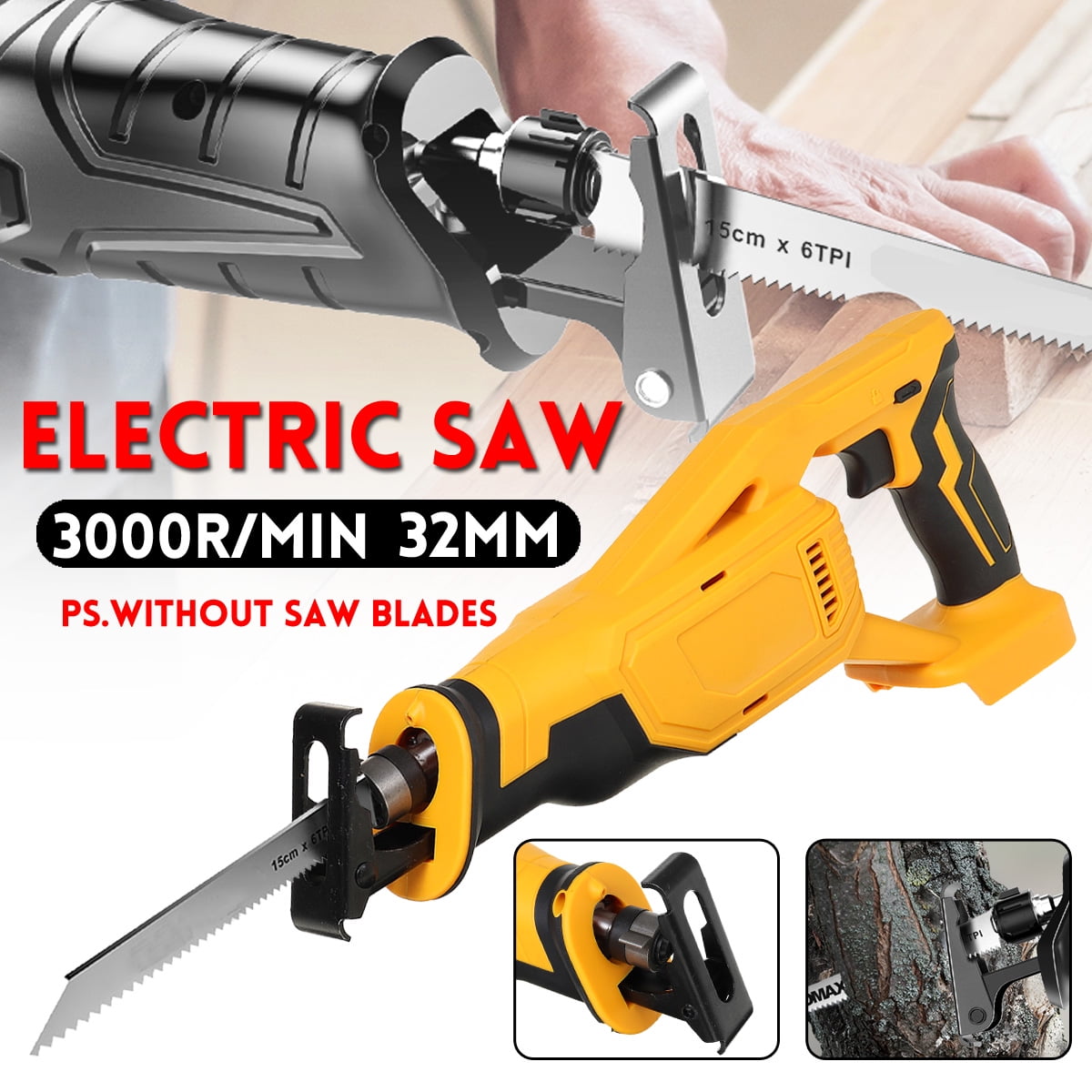
Ready to explore? Here are some practical tips to get you started. The most common and accessible entry point is the good old hacksaw. It's completely manual, inexpensive, and fantastic for learning the ropes. When choosing one, look at the blades – they come with different "teeth per inch" (TPI). More teeth are generally better for harder, thinner metals, while fewer teeth suit softer, thicker materials. Safety is paramount: always wear eye protection and gloves. Secure your workpiece firmly in a vise or clamp to prevent it from moving. Start with scrap metal (check with local metal suppliers or construction sites for offcuts) to get a feel for the tool and the cutting motion. Watch a few online tutorials; seeing someone demonstrate proper technique can be incredibly helpful. Visit your local hardware store; handling different types of hacksaws or even compact reciprocating saws (with metal-cutting blades) can give you a better idea of what feels comfortable and appropriate for potential projects. You’ll be amazed at what you can achieve once you understand this fundamental tool!