Greenhouse Gases Are Good Or Bad
Okay, let’s talk about something that often gets a bad rap: greenhouse gases. You hear the words, and instantly a little alarm bell probably goes off in your head, right? “Bad! Problem! Climate change!” And while there’s definitely a serious side to that story, it’s also one of those things that’s a bit more nuanced than a simple villain-vs-hero tale. What if I told you that without these much-maligned gases, our beloved planet Earth would be a frozen, barren wasteland? Surprising, isn’t it?
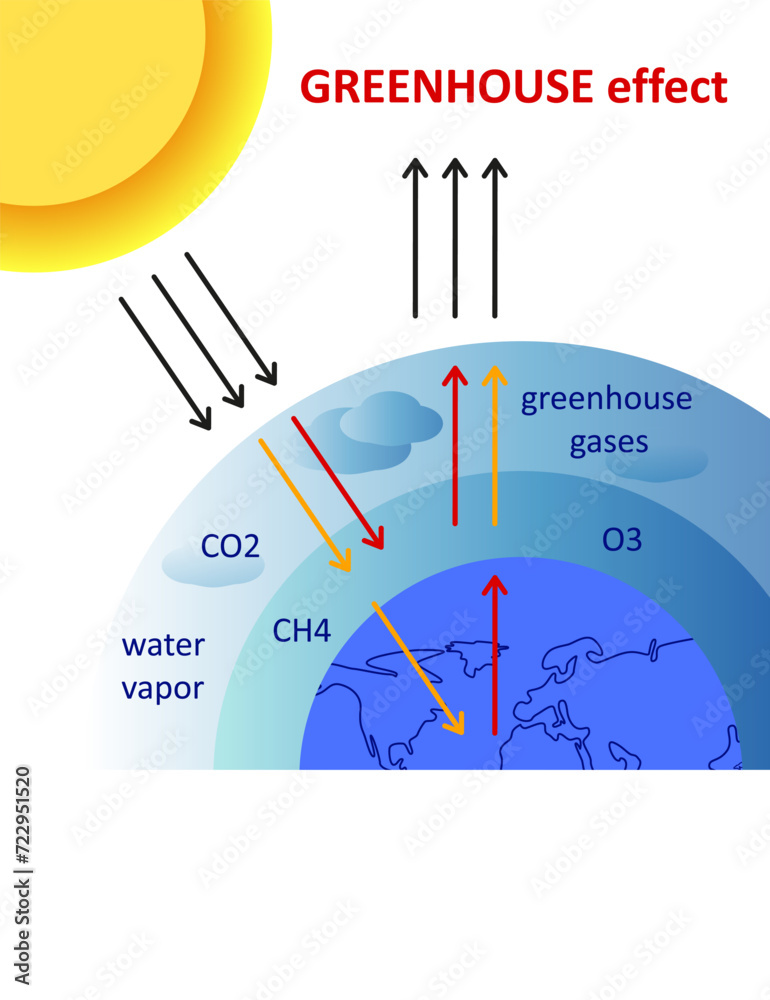
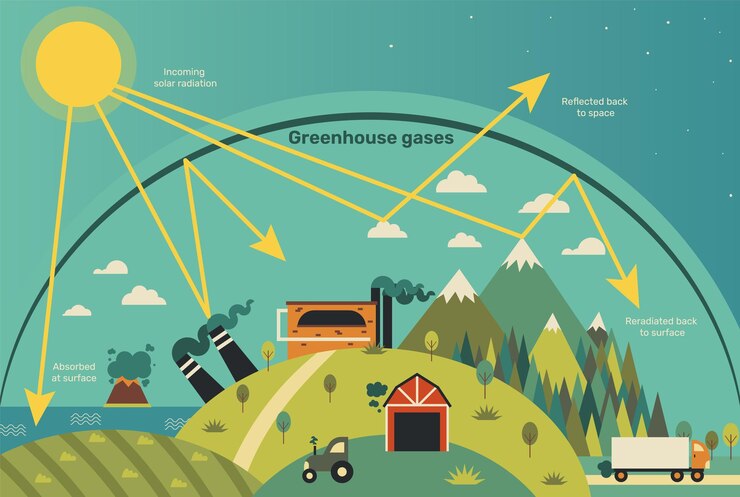
Imagine your favorite cozy blanket on a chilly night. You snuggle in, and it keeps you wonderfully warm, trapping your body heat and making you feel safe and comfortable. Well, greenhouse gases are exactly like that, but for our entire planet! The Sun beams down its glorious warmth, and a natural layer of gases in our atmosphere acts like a giant, invisible, planet-sized blanket. They let the sunlight in, warming the ground and oceans, but then they’re really good at trapping some of that heat from escaping back into space. Without this amazing, natural thermal regulation, the average temperature on Earth would be a terrifying -18 degrees Celsius (that’s 0 degrees Fahrenheit for our friends across the pond!). Brrr! No thanks.
This perfect snuggling temperature is why scientists often talk about Earth being in the Goldilocks zone – not too hot, not too cold, but just right for life to thrive. And it’s all thanks to these invisible atmospheric heroes. Think about it: every lush forest, every sparkling ocean, every chirping bird, every single one of us owes a massive debt of gratitude to these gases for making our world habitable. They are the silent, atmospheric guardians that allowed the incredible diversity of life on Earth to evolve and flourish.
Must Read
So, who are these crucial players in our cosmic snuggle-fest? The main characters you hear about most are carbon dioxide, methane, and even plain old water vapor. Yes, that mist from your kettle is a greenhouse gas! These aren't some alien invaders; they’ve been part of Earth's natural cycles for billions of years. Volcanoes erupting, animals breathing, wetlands existing – all release these gases naturally. For a very long time, Earth had a fantastic knack for keeping things in a beautiful, harmonious balance. Think of it like a perfectly tuned orchestra, with each instrument playing its part at just the right volume.
When a Good Thing Becomes... A Bit Too Much
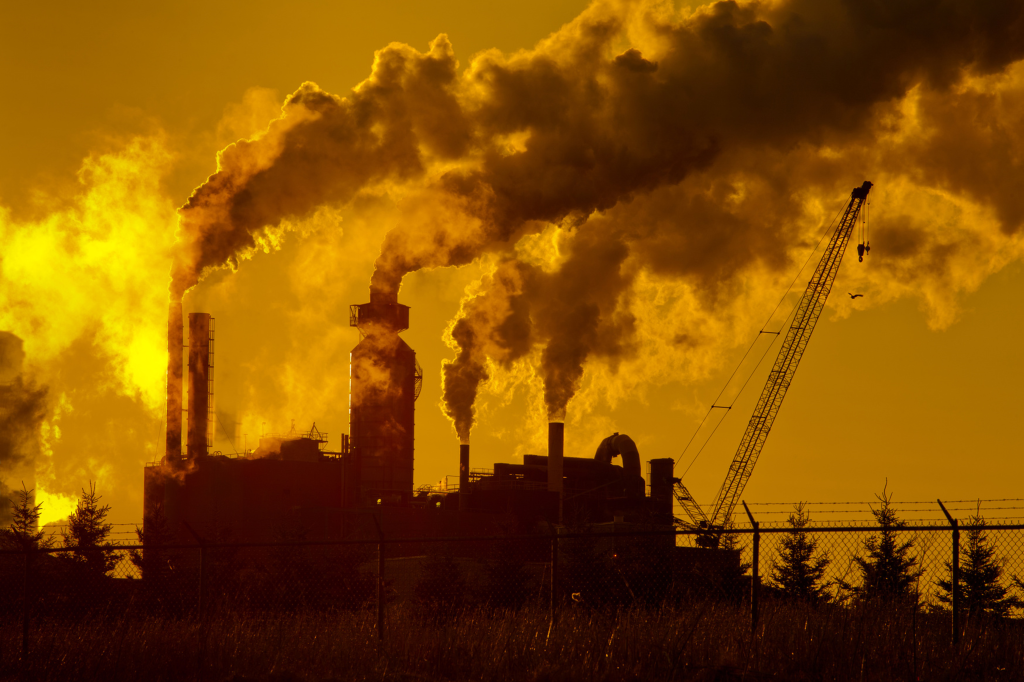
But here's where the plot thickens, and our story takes a slightly less heartwarming turn. Remember that cozy blanket? What if someone started piling on more and more blankets? One is perfect, two is nice, but ten? Suddenly, you're not cozy; you’re sweating and uncomfortable! That’s essentially what’s happening now. For the last couple of centuries, since the start of the Industrial Revolution, humans have been adding a lot more greenhouse gases to that natural blanket, especially carbon dioxide, primarily by burning fossil fuels like coal, oil, and natural gas. We’re turning up the dial on the planet’s thermostat a little too much, a little too fast.
"It's not that greenhouse gases are inherently bad; it's about the balance."
It’s important to remember this distinction: the gases themselves aren't evil. They are essential. The problem arises when we overwhelm the planet’s natural ability to regulate them. It's like having a lovely piece of cake for dessert; it’s a wonderful treat. But if you eat the whole bakery, well, that's a different story altogether! Similarly, a certain amount of greenhouse gases keeps our planet vibrant; too much and things get, well, sticky.
The good news is that understanding this helps us appreciate the complexity and also the solutions. We’re not trying to get rid of greenhouse gases altogether (that would be disastrous!). Instead, we're striving to restore that delicate balance, to thin out the blanket a bit so Earth can return to its comfortable, Goldilocks-approved temperature. This means finding cleaner ways to power our lives, protecting our forests (which are amazing at sucking up carbon dioxide!), and generally being more thoughtful about our collective impact.
So, next time you hear about greenhouse gases, remember the cozy blanket, the frozen planet, and the delicate dance of nature. They are truly the unsung heroes of our existence – until we started adding a little too much of a good thing. It's a reminder that even the most seemingly villainous parts of a story often have a surprising, even heartwarming, side to them, and it’s up to us to help keep that story in a happy, healthy equilibrium for generations to come. Our planet, after all, is the only one we've got, and it deserves our best care.