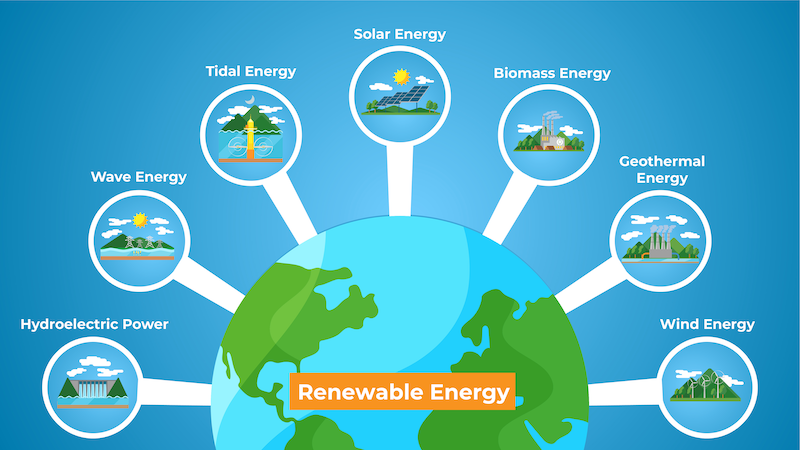
Give Three Examples Of Renewable Energy Resources
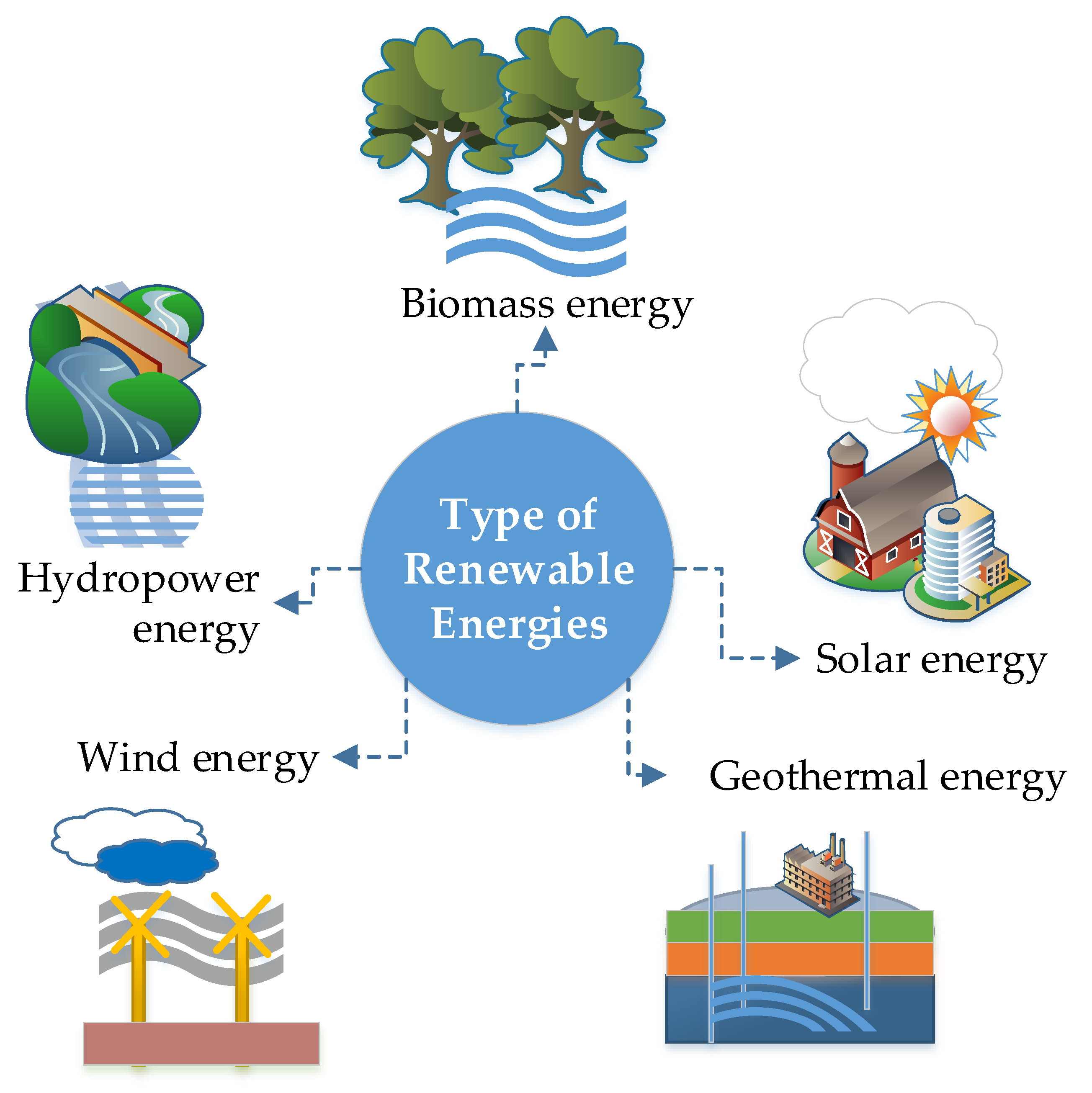
Hey there, Earthlings! Ever wonder where we get all the stuff to power our lives? I mean, from charging your phone to keeping the lights on, it takes a lot of energy. And let's be real, some energy sources are way cooler (and better for the planet!) than others.
Today, we're diving into the awesome world of renewable energy. What's so special about it? Well, unlike fossil fuels that are finite and contribute to, ahem, global warming, renewable resources are, well, renewable! They basically replenish themselves, like magic! So, let’s explore three fantastic examples.
Solar Power: Harnessing the Sun's Rays
First up: solar power! Think of the sun as this giant, free, constantly-giving energy source. It's like the universe's own AAA battery, except way, way bigger. We can tap into this energy using solar panels, those shiny black rectangles you might see on rooftops or in solar farms.
Must Read
How do they work? Well, in a nutshell, they convert sunlight directly into electricity. Pretty neat, right? Imagine your roof acting like a giant phone charger, constantly juicing up your home with free energy from the sun! That's the power of solar.
What's cool is that solar power is becoming more and more accessible. Prices are dropping, technology is improving, and more and more people are making the switch. Think of it like upgrading from a flip phone to a smartphone – it’s a smarter, more efficient, and ultimately more awesome way to power your life. And the best part? No nasty emissions! It's like getting clean energy for free… what’s not to love?
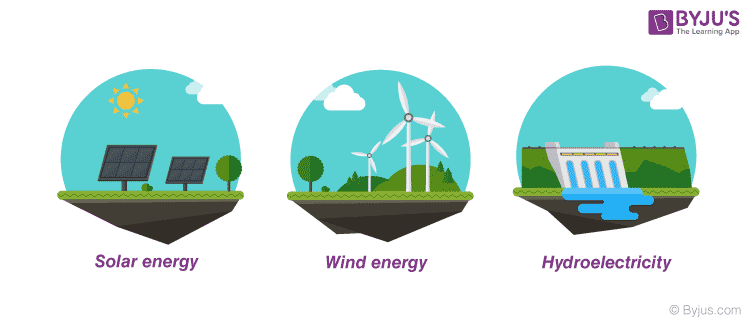
Wind Power: Catching the Breeze
Next, let's talk about wind power. Picture this: vast, open fields dotted with majestic wind turbines, slowly turning in the breeze. It's almost poetic, isn’t it? These turbines are basically modern-day windmills, but instead of grinding grain, they're generating electricity.
The science is simple: the wind spins the turbine blades, which in turn power a generator inside. The generator then converts this mechanical energy into electricity that can be used to power homes, businesses, and even entire cities.
Think of it like sailing a boat. The wind fills the sails and pushes the boat forward. Wind turbines do the same thing, but instead of moving a boat, they're creating electricity. It’s nature providing free energy and we’re harnessing its power. What's not to admire? Plus, wind turbines are getting bigger and more efficient all the time, making wind power an increasingly valuable renewable resource. It’s like leveling up in a video game, but for the planet!

Hydropower: Riding the Water Wave
Last but definitely not least, we have hydropower, or hydroelectric power. This one's been around for a while, and it's all about using the power of moving water to generate electricity. Think of giant dams harnessing the force of rivers.
Here's how it works: Water flows through the dam, turning turbines that are connected to generators. These generators then convert the mechanical energy of the spinning turbines into electricity. It’s like a giant water wheel, but instead of powering a mill, it's powering a whole community.
Hydropower is a reliable and established renewable energy source. It's like the old, dependable friend that you can always count on. But it's also important to note that building dams can have environmental impacts, so it's crucial to consider these carefully. While other renewable energy such as solar and wind are emerging, hydroelectric energy holds a well established reputation for its reliability.
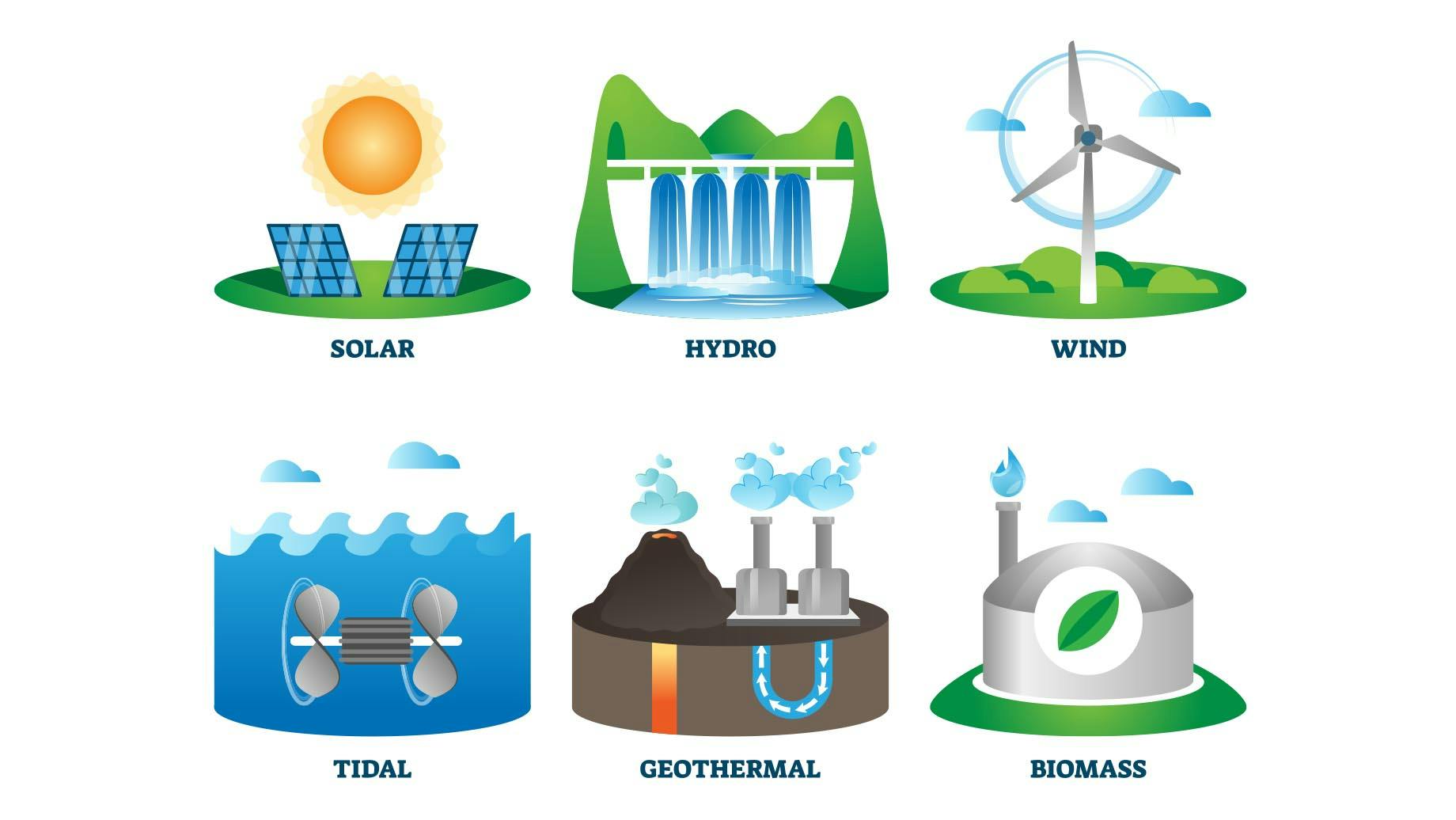
So, there you have it: three amazing examples of renewable energy resources – solar, wind, and hydropower. They're all clean, sustainable, and, frankly, pretty darn cool. As we move towards a more sustainable future, these renewable resources are going to play an increasingly important role in powering our world. Think of them as the superheroes of the energy world, fighting to protect our planet, one kilowatt at a time! Pretty awesome, right?
What do you think? Are you ready to embrace the power of renewables?