
Geothermal Heat Pump Vs Air Source Heat Pump
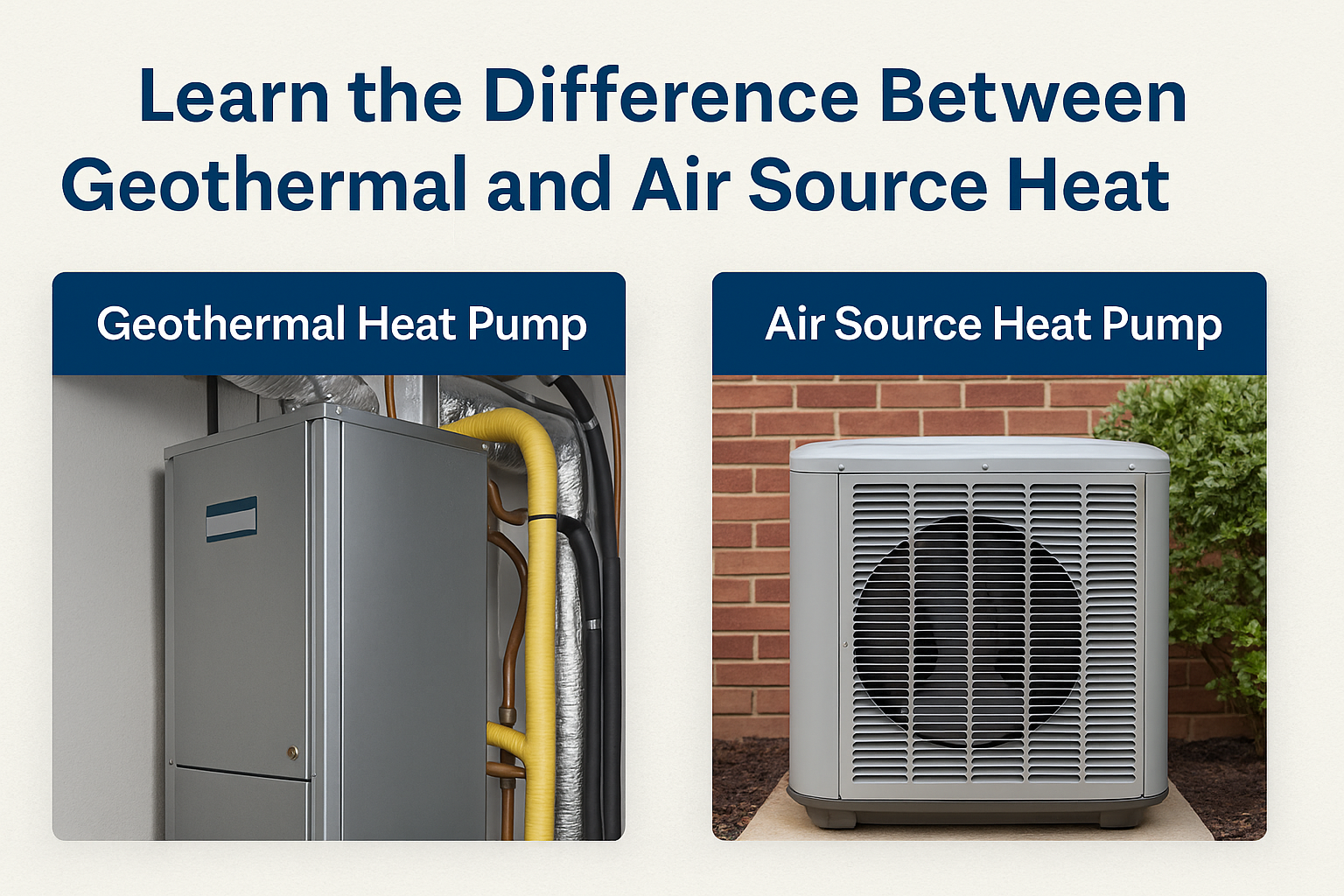
Hey there, friend! So, you're thinking about a heat pump, huh? Smart move! But now you're staring down two options: geothermal vs. air source. Don't sweat it! Let's break it down like we're chatting over a latte (or maybe something stronger... no judgment!).
The Air Source Heat Pump: The Familiar Face
Think of the air source heat pump (ASHP) as the popular kid in the heat pump world. You've probably seen them. They're the ones with the outdoor unit that looks kinda like an air conditioner. Relatable, right?
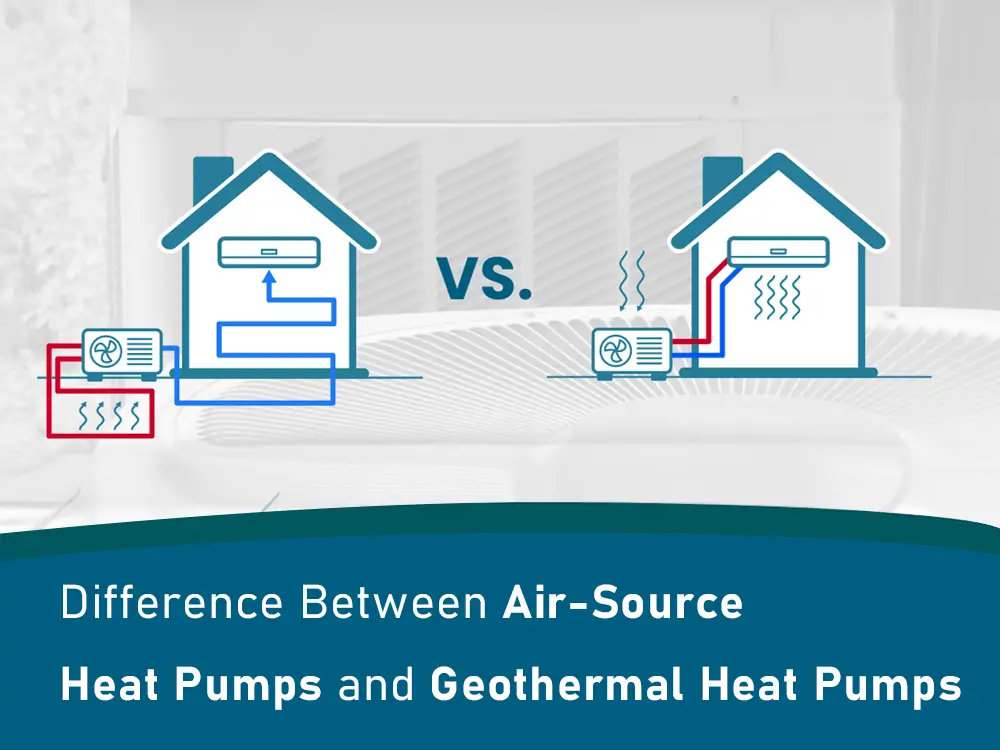
Basically, ASHPs move heat from one place to another. In the summer, they pull heat from inside your house and dump it outside (keeping you cool!). In the winter (the clever bit!), they extract heat from the outside air and bring it inside to warm you up. Even when it's cold out! I know, magic! Or, well, science. But close enough, right?
Must Read
Pros? ASHPs are generally cheaper to install than geothermal systems. Definitely a plus! They're also easier to install, which means less disruption to your yard (and less time explaining things to the neighbors...).
Cons? Their efficiency can dip when temperatures really plummet. Think about it: if it's freezing outside, there's less heat to "extract". They might need a backup heating system for those super-cold days. Also, sometimes they can get a bit noisy. Who needs extra noise? We have enough of that already!
The Geothermal Heat Pump: The Underdog Superhero
Now, let's talk about geothermal! These guys are a bit more mysterious, but seriously powerful. Geothermal heat pumps (GHPs), also known as ground source heat pumps, tap into the earth's constant temperature. You know, a few feet underground, the temperature stays pretty stable year-round. Like a secret underground hideout for heat!
They work by circulating fluid through pipes buried in the ground (either horizontally or vertically). This fluid absorbs the earth's heat in the winter (warming your home) and releases heat into the ground in the summer (cooling your home). It’s like having a thermostat plugged into the earth itself! Pretty neat, huh?
Pros? GHP's are incredibly efficient. Seriously efficient! Because the ground temperature is relatively constant, they don't have to work as hard as ASHPs, especially when it's scorching or freezing. This translates to lower energy bills. Plus, they're super quiet! They're like the ninja of heating and cooling.

Cons? The big one: installation cost. Ouch! Digging those trenches (or boreholes) isn't cheap. It's a bigger investment upfront. Plus, it requires a bit more planning and, depending on your property, might not even be feasible. Can't dig where you can't dig, right?
So, Which One is Right for You? Let’s Get Real.
Okay, so the million-dollar question (well, maybe not a million, but you get the idea!): which heat pump reigns supreme? It really depends on your situation, my friend. Think about these things:
- Your budget: How much are you willing to spend upfront?
- Your climate: Do you live in a place with mild winters or brutal ones?
- Your property: Do you have enough land for a geothermal system? What about HOA regulations?
- Long-term savings: Are you willing to invest more now to save more later?
If you’re on a tight budget and live in a milder climate, an air source heat pump might be the way to go. It's a good starting point. But if you're looking for maximum efficiency and long-term savings (and you're not afraid of a bigger initial investment), geothermal could be your soulmate. Heating and cooling soulmate, that is!
Don't be afraid to get quotes and do your research! Talk to contractors, read reviews, and maybe even chat with your neighbors. The more information you have, the better decision you can make.
Good luck, my friend! And remember, whatever you choose, you're one step closer to a more comfortable (and potentially more energy-efficient) home! Now, about that latte...
