
Generators Portable Generators To Power Entire House

Okay, picture this: I’m making the world's most amazing grilled cheese (pro tip: use Gruyere AND sharp cheddar), the radio’s blasting my guilty pleasure 80s playlist, and BAM! The lights go out. Just like that. Silence. Cheesy goodness denied. Turns out, a squirrel with a death wish had tangled with a transformer down the street. Chaos ensued. And all I could think was, "There HAS to be a better way!"
That, my friends, is when I dove headfirst into the wild world of portable generators. Specifically, the ones that can power your entire house. Yep, you heard right. We're talking fridge, lights, maybe even that questionable 80s music collection (no judgment!).
Portable Powerhouses: Not Just for Camping Anymore
Let’s be honest, when you hear "portable generator," you probably think of camping trips and powering the blender for margaritas (essential camping equipment, obviously). But these aren't your grandpa's noisy, fume-spewing gas guzzlers anymore. Modern portable generators are serious business. They're quieter, more efficient, and, with the right setup, can keep your whole house humming along when the grid decides to take a vacation.
Must Read
But hold on a second. Before you rush out and buy the biggest generator you can find (tempting, I know!), there are a few things you need to consider. Think of it like buying a car. You wouldn't buy a monster truck just to drive to the grocery store, would you? (Okay, maybe you would, but stay with me.)
Sizing It Up: What Does Your House Really Need?
First things first: power needs. You need to figure out how much juice your essential appliances actually consume. Start by making a list of everything you absolutely need to run during an outage. Fridge? Furnace fan? Sump pump? Oxygen concentrator? Be honest! (And don't forget the internet router. Because, priorities.)

Each appliance has a wattage rating listed on it somewhere, usually on a sticker or in the owner's manual. Add up the running wattage of all your essential appliances. This is the amount of power they need to stay running.
But wait, there's more! Some appliances, like refrigerators and air conditioners, require a starting wattage that's much higher than their running wattage. This is the initial surge of power they need to kick on. You'll need to factor that in, too. A good rule of thumb is to add the highest starting wattage to your total running wattage calculation.
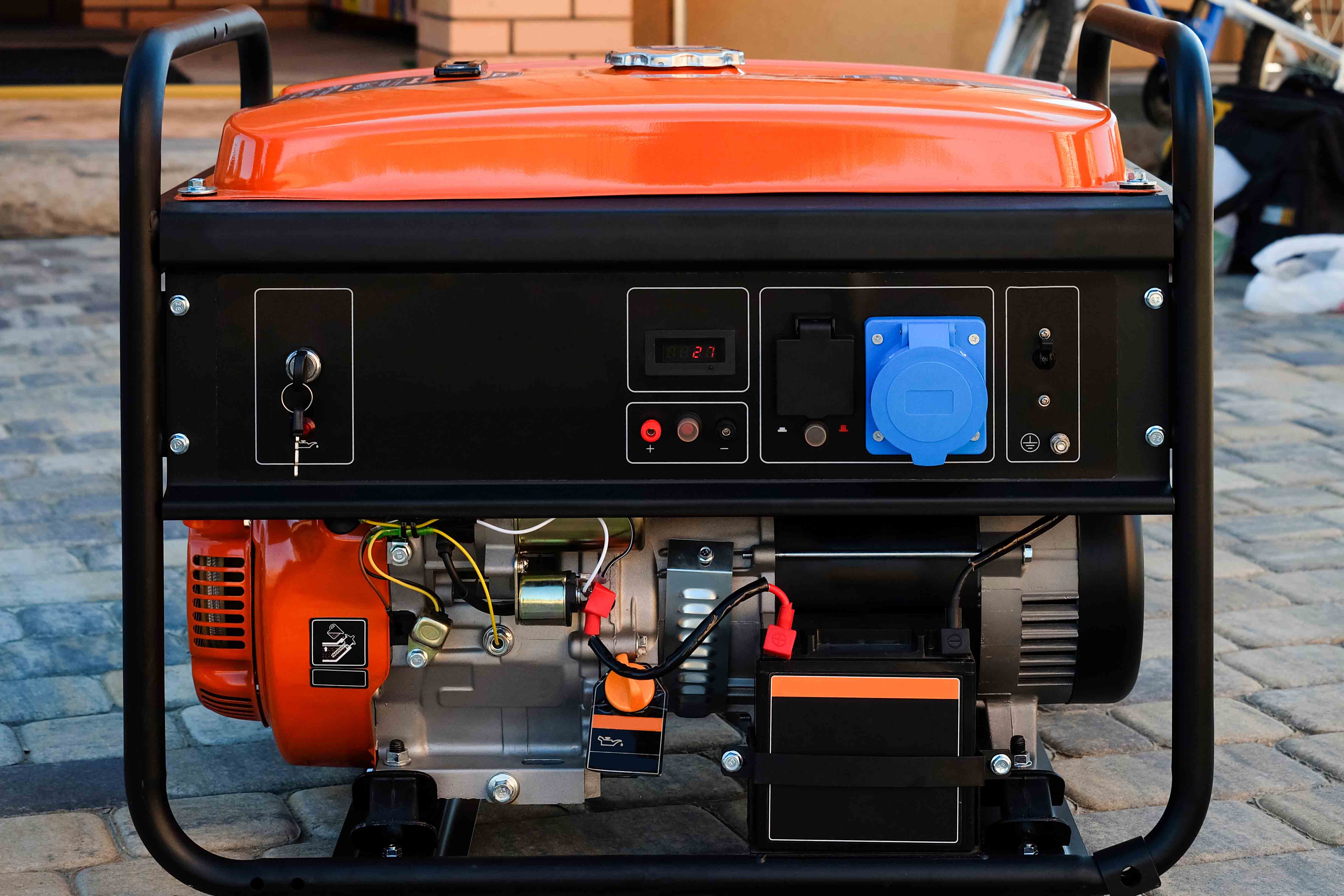
Pro Tip: Don't guess! Underestimating your power needs is a recipe for disaster (and a dark, cold house). Overestimating is better than underestimating, although it might mean a bigger, more expensive generator.
Connecting the Dots: Transfer Switches are Your Friend
Okay, so you’ve got your generator sized up and ready to go. But how do you actually connect it to your house's electrical system? This is where transfer switches come in. A transfer switch is a device that safely connects your generator to your home's wiring, while isolating it from the utility grid. This is crucially important. You do NOT want to backfeed power into the grid, as this can be dangerous for utility workers and could fry your generator. (Not to mention, it's illegal.)
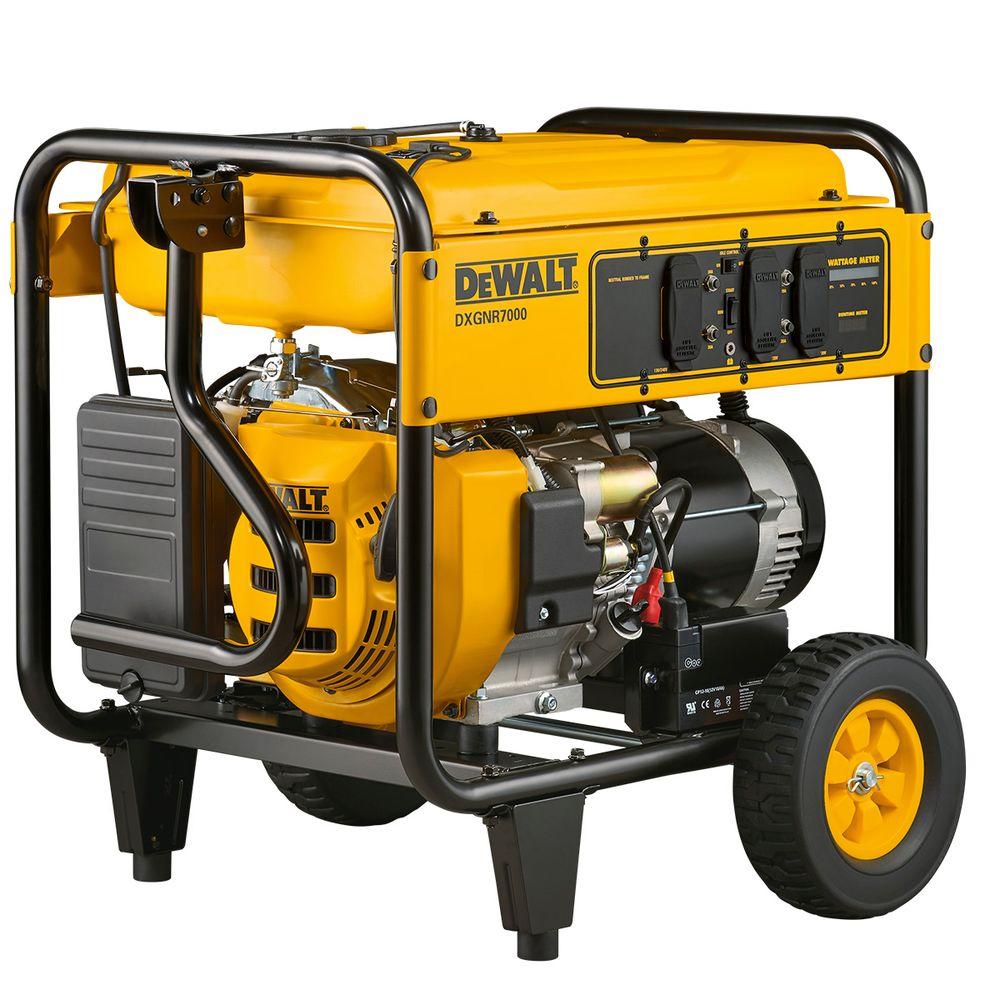
There are two main types of transfer switches: manual and automatic. A manual transfer switch requires you to physically flip a switch to connect your generator and disconnect from the grid. An automatic transfer switch (ATS) does this automatically when it detects a power outage. ATSs are more expensive, but they're incredibly convenient, especially if you're not always home or if you have critical medical equipment that needs to stay powered on.
Important Disclaimer: Installing a transfer switch is generally a job for a qualified electrician. Don't try to DIY this unless you really know what you're doing. Seriously. Electricity is not your friend if you mess with it carelessly.

Fueling the Beast: Gasoline, Propane, or Natural Gas?
Portable generators typically run on gasoline, propane, or natural gas. Gasoline is readily available, but it can be expensive and degrades over time. Propane is a cleaner-burning fuel, and it has a longer shelf life than gasoline. Natural gas is often the cheapest option, but it requires a direct connection to a natural gas line. Consider the pros and cons of each fuel type when choosing a generator.
Side Note: Always store fuel safely and according to manufacturer instructions. And never, ever run a generator indoors or in a confined space. Carbon monoxide poisoning is a serious risk.
The Bottom Line: Peace of Mind (and Grilled Cheese!)
While a portable generator that can power your entire house is a significant investment, it can provide invaluable peace of mind during power outages. Imagine: lights on, fridge humming, and maybe even some 80s tunes playing in the background. Plus, and this is the really important bit... perfectly grilled cheese sandwiches. That's worth its weight in gold, right?