
Generator Is Running But Not Producing Power
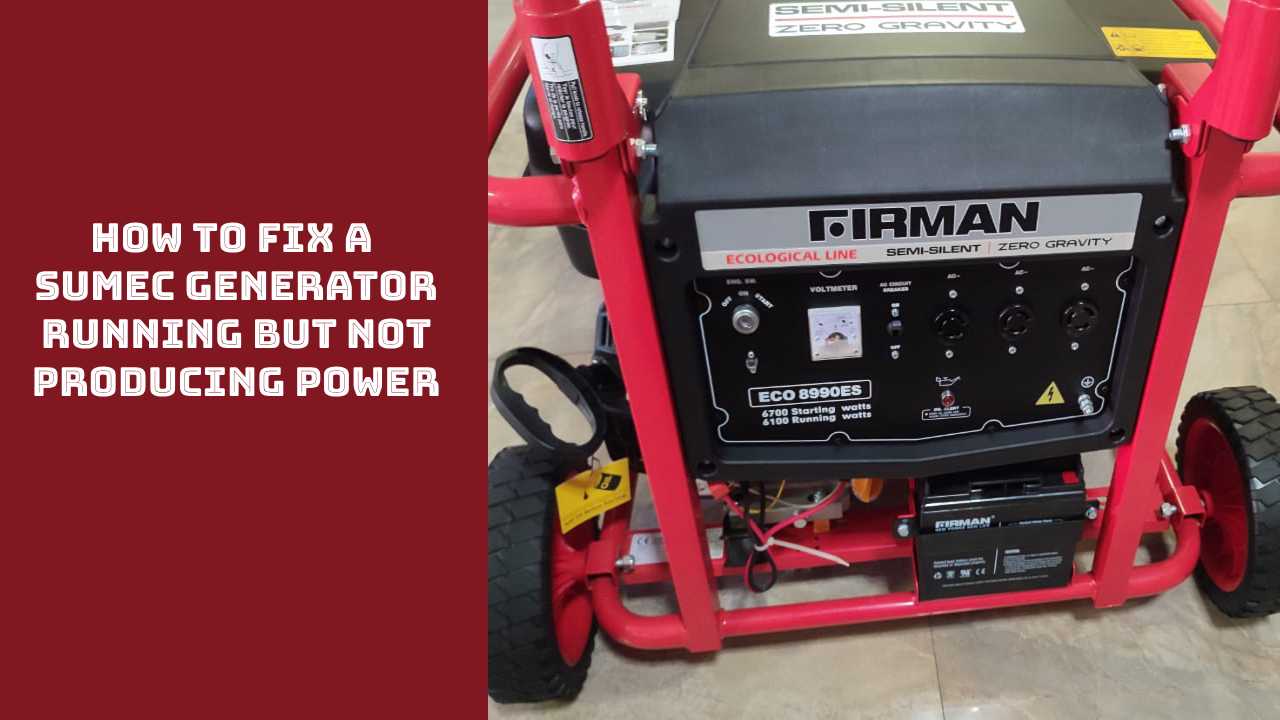
So, you’ve got a generator. A beautiful, humming beast of a machine that promises power when the lights go out. It’s like your own personal mini-power plant! But what happens when the engine roars to life, filling the air with that comforting rumble, yet… nothing happens?
The lights stay stubbornly dim. Your phone remains stubbornly uncharged. And your dreams of a cozy movie night during a power outage crumble faster than a poorly baked cookie. It’s like ordering a pizza and getting an empty box – all the anticipation, none of the reward!
The Great Generator Mystery: Where's the Juice?
Fear not, fellow electricity enthusiast! Before you resign yourself to candlelit evenings and the chilling silence of an unplugged world, let’s investigate why your generator is running but not producing power. Think of yourself as Sherlock Holmes, but instead of solving crimes, you’re solving electrical conundrums.
Must Read
Elementary, my dear Watson, the problem could be one of several suspects. Let’s start with the simple stuff, shall we?
The Circuit Breaker Blues
First things first, check the circuit breaker on the generator itself. It’s usually a little switch or button, often brightly colored, just begging to be noticed. Imagine it as the gatekeeper of your electricity, and sometimes, it slams the gate shut for no apparent reason.
If it’s tripped (usually in the “off” position), simply flip it back to “on.” You might hear a satisfying click, a sound sweeter than birdsong to a power-starved soul. If it trips again immediately, though, that’s a clue – something’s overloading the system.
Time to unplug some devices! It's like trying to fit too many clowns into a tiny car. Not gonna happen, and the circuit breaker is there to prevent a disastrously funny electrical explosion.
The Outlet Obstacle
Next, test your outlets! Sounds obvious, right? But sometimes, the simplest solutions are the easiest to overlook. It’s like searching for your glasses when they’re perched right on your head.

Try plugging a known-good device (a lamp, a phone charger – something you know works) directly into the generator's outlets. If it still doesn’t work, the problem lies deeper than a faulty appliance.
Fueling the Fire (or Lack Thereof)
Okay, this might sound silly, but is there enough fuel in the tank? Generators, like cranky toddlers, refuse to cooperate when they’re hungry (or, in this case, fuel-deprived). Imagine trying to run a marathon on an empty stomach – you wouldn’t get very far, would you?
Check the fuel level and top it off if necessary. Make sure you’re using the correct type of fuel, too! Putting diesel in a gasoline engine is like trying to teach a cat to bark – it’s just not going to work, and you'll end up with a very unhappy machine.
The Connection Conundrum: Loose Wires and Corrosion Calamities
Now, let’s delve a little deeper. We're talking about the inner workings of your electrifying friend. And, let's be honest, this can be a little scary!
Loose wires can be a major culprit. Over time, vibrations from the engine can cause connections to loosen, like a poorly tied shoelace that threatens to send you tumbling. Carefully inspect all visible wiring connections, especially around the outlets and the circuit breaker.
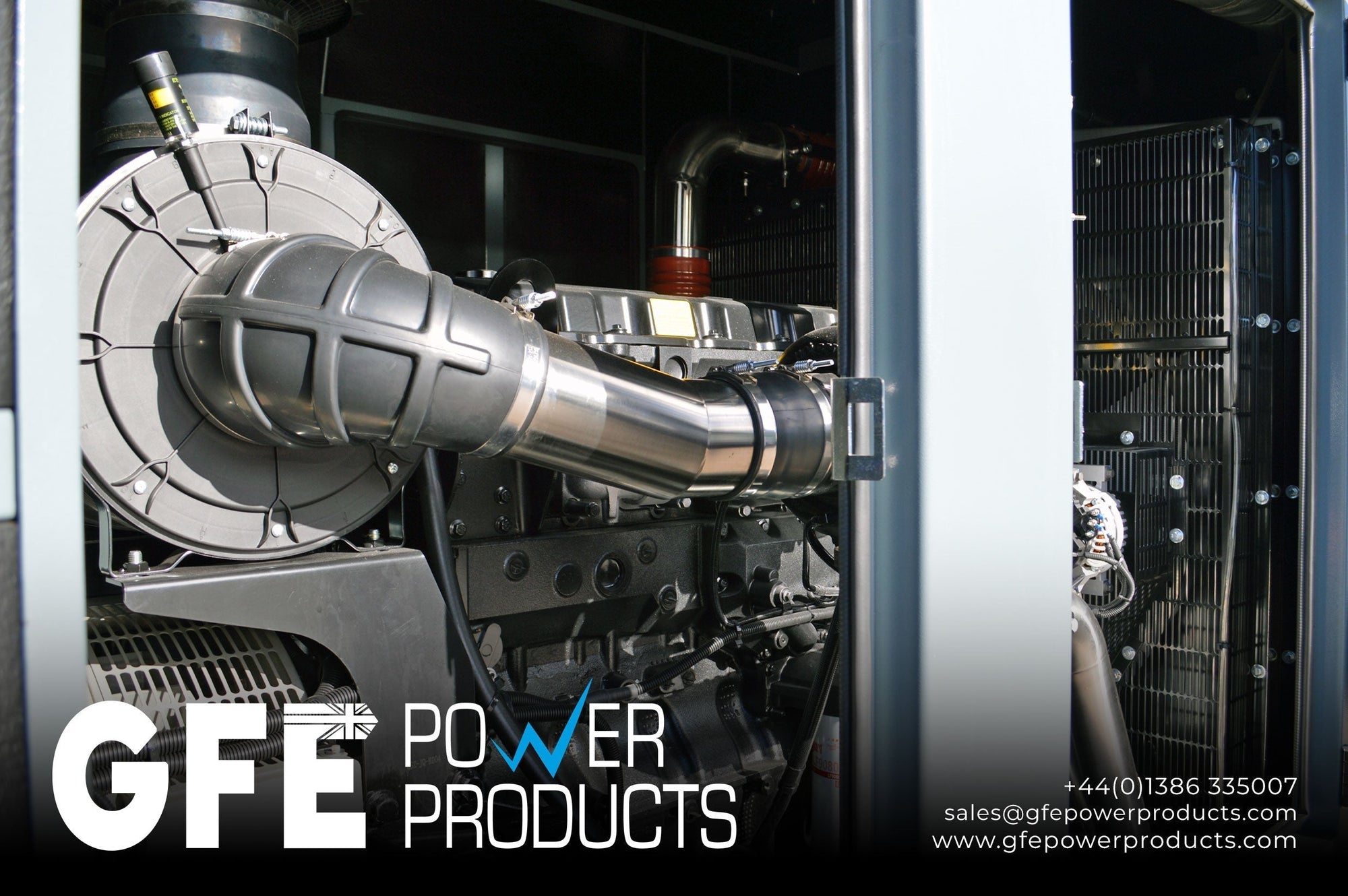
If you see any loose wires, gently tighten them. (But only if you’re comfortable doing so! If you’re not, call a professional. Electricity is not something to be trifled with!) Think of it as giving your generator a gentle hug – a firm, but loving, reassurance that you’re there for it.
Corrosion can also wreak havoc on electrical connections. Moisture and grime can build up over time, creating a barrier between the wires and the terminals. It's like trying to have a conversation with someone through a thick wall – the message just doesn't get through.
Clean any corroded connections with a wire brush or electrical contact cleaner. Be sure to disconnect the generator from the power source before you start cleaning! Safety first, always!
The Condenser Caper
Your generator has a condenser (also known as a capacitor), which is important for voltage regulation. If the condenser is broken, the generator may start but not produce electricity. It's like a broken heart—the generator starts but has no voltage to give!
You will most likely need a professional electrician to check and replace this part.
The Brush Brouhaha
Some generators (especially older models) use brushes to transfer electricity from the spinning rotor to the stationary part of the generator. Think of them as tiny little messengers, constantly running back and forth, delivering the power.
Over time, these brushes can wear down, like the treads on your favorite running shoes. When they get too short, they can no longer make good contact, and the power stops flowing. This is very common if your generator has seen heavy usage.
Replacing the brushes is usually a relatively simple and inexpensive task. Consult your generator’s manual for instructions on how to access and replace them, or, again, call a professional if you're unsure.
The AVR Adventure: Automatic Voltage Regulator
The AVR, or automatic voltage regulator, is a crucial component that ensures your generator produces a steady and consistent voltage. It's like the conductor of an electrical orchestra, keeping everything in harmony.
If the AVR malfunctions, the generator may produce erratic voltage, or no voltage at all. Testing and replacing an AVR can be a bit tricky, so this is another job best left to the professionals.

When All Else Fails: Call in the Cavalry!
If you’ve checked all the easy stuff and your generator is still refusing to cooperate, it’s time to call in the experts. Don’t feel bad about it! Sometimes, even the most dedicated DIY-ers need a little help. It’s like admitting you need directions when you’re hopelessly lost – there’s no shame in it!
A qualified electrician or generator repair technician can diagnose the problem and get your generator back up and running in no time. They have the tools, the knowledge, and the experience to tackle even the most complex electrical issues. Think of them as the superheroes of the power outage world, swooping in to save the day!
Having your generator professionally serviced regularly can also help prevent future problems. It's like taking your car in for an oil change – it keeps everything running smoothly and prevents major breakdowns down the road.
Power Up Your Knowledge!
So, there you have it! A rundown of the most common reasons why your generator might be running but not producing power. Remember to start with the simple checks, like the circuit breaker and the fuel level, and then work your way through the more complex issues. And if you’re ever unsure, don’t hesitate to call in the professionals.
With a little troubleshooting and a dash of perseverance, you'll be back to enjoying the sweet, sweet taste of uninterrupted power in no time. Now go forth and conquer the darkness! Or, at least, keep the lights on during the next power outage.
And remember, a working generator is a happy generator, and a happy generator means a happy you! Happy generating!