Generation Of Electricity In Thermal Power Plant
Ever wonder how we get that seemingly endless stream of electricity powering our homes, offices, and well, everything? While renewable sources like solar and wind are gaining traction, a significant chunk of our electricity still comes from thermal power plants. And trust me, understanding how these plants work is way more fascinating than it sounds! Think of it like a giant, controlled bonfire that's specifically designed to keep our lights on. Ready to explore this mini-marvel of engineering?
So, what's the big idea behind a thermal power plant? Simply put, its main purpose is to convert the heat energy stored in fossil fuels like coal, oil, or natural gas into electrical energy. The primary benefit? These plants are capable of generating a massive amount of electricity reliably and consistently. They don't rely on the sun shining or the wind blowing, making them a dependable workhorse in the energy sector.
Here’s the basic process, broken down into easily digestible steps:
Must Read
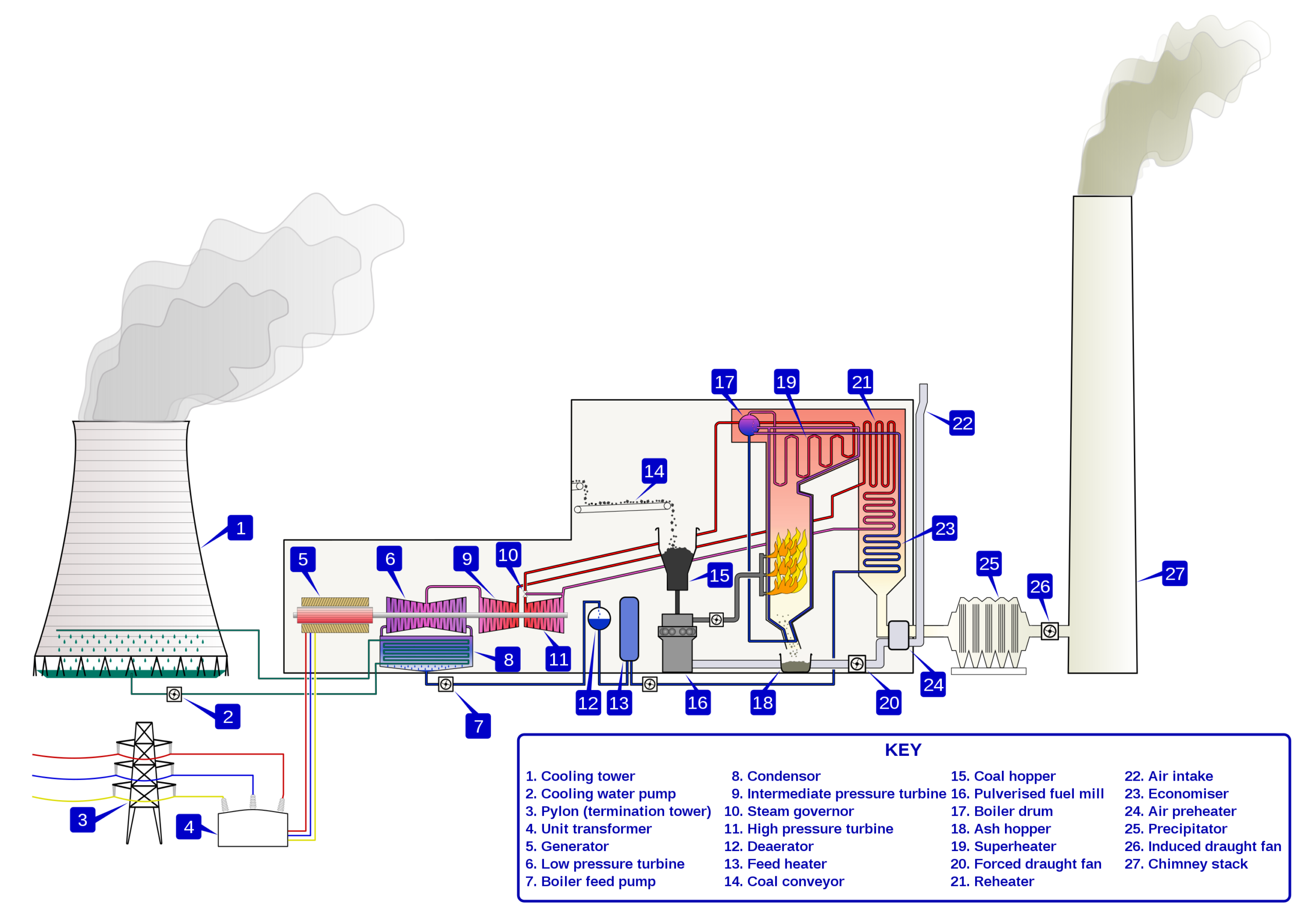
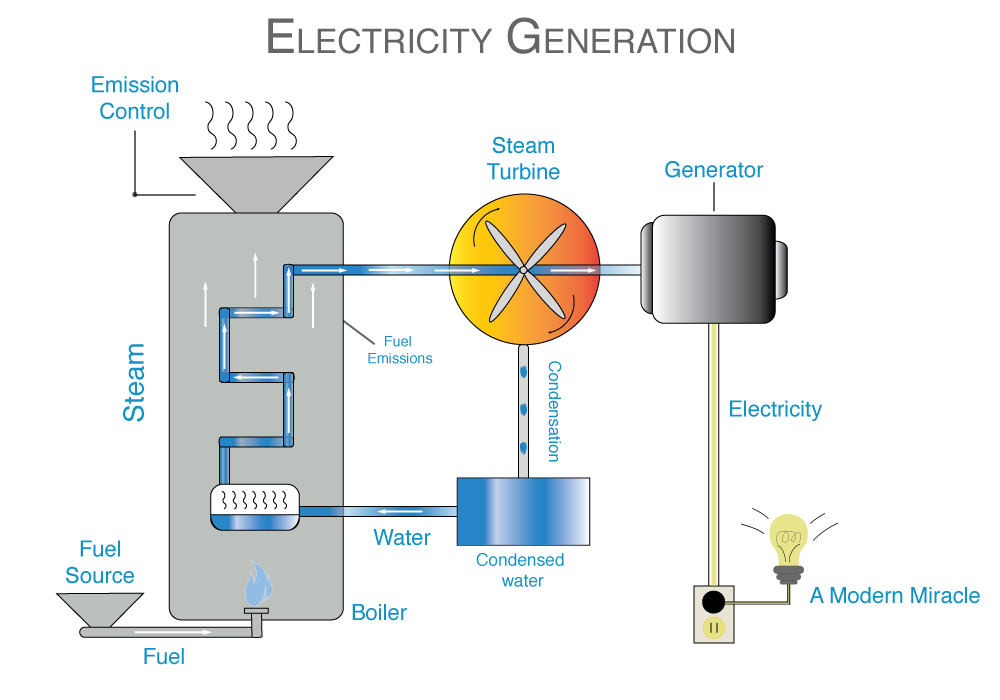
- Burning Fuel: It all starts with burning fuel, typically coal. This happens in a huge furnace, creating a tremendous amount of heat. Think of it as the controlled bonfire we talked about earlier, but on a seriously industrial scale.
- Boiling Water: The heat from the burning fuel is used to boil water, transforming it into high-pressure steam. Imagine the steam escaping from a pressure cooker, but multiplied a thousandfold!
- Spinning a Turbine: This high-pressure steam is then directed towards a turbine. A turbine is essentially a giant fan connected to a generator. The force of the steam spins the turbine blades, much like wind spinning a windmill.
- Generating Electricity: As the turbine spins, it turns the generator. The generator uses the principle of electromagnetic induction to convert the mechanical energy of the spinning turbine into electrical energy. This is where the magic happens, turning motion into the electricity that powers our lives.
- Cooling and Recycling: After passing through the turbine, the steam is cooled back into water and recycled back to the boiler to repeat the process. This makes the process more efficient and reduces water consumption.
While thermal power plants are incredibly useful, it's important to acknowledge their environmental impact. Burning fossil fuels releases greenhouse gases, contributing to climate change. That's why there's a global push to transition towards cleaner and more sustainable energy sources. But for now, thermal power plants remain a crucial part of our energy infrastructure.
Understanding the basics of how a thermal power plant operates gives you a greater appreciation for the complex systems that provide us with the electricity we often take for granted. So, the next time you flip a light switch, remember the journey that energy took from the burning fuel to your bright, shining bulb!
![Outline of Thermal Power Generation [KEPCO]](https://www.kepco.co.jp/english/energy/fuel/thermal_power/shikumi/images/index_pic_04.jpg)
![Outline of Thermal Power Generation [KEPCO]](https://www.kepco.co.jp/english/energy/fuel/thermal_power/shikumi/images/index_pic_02.jpg)