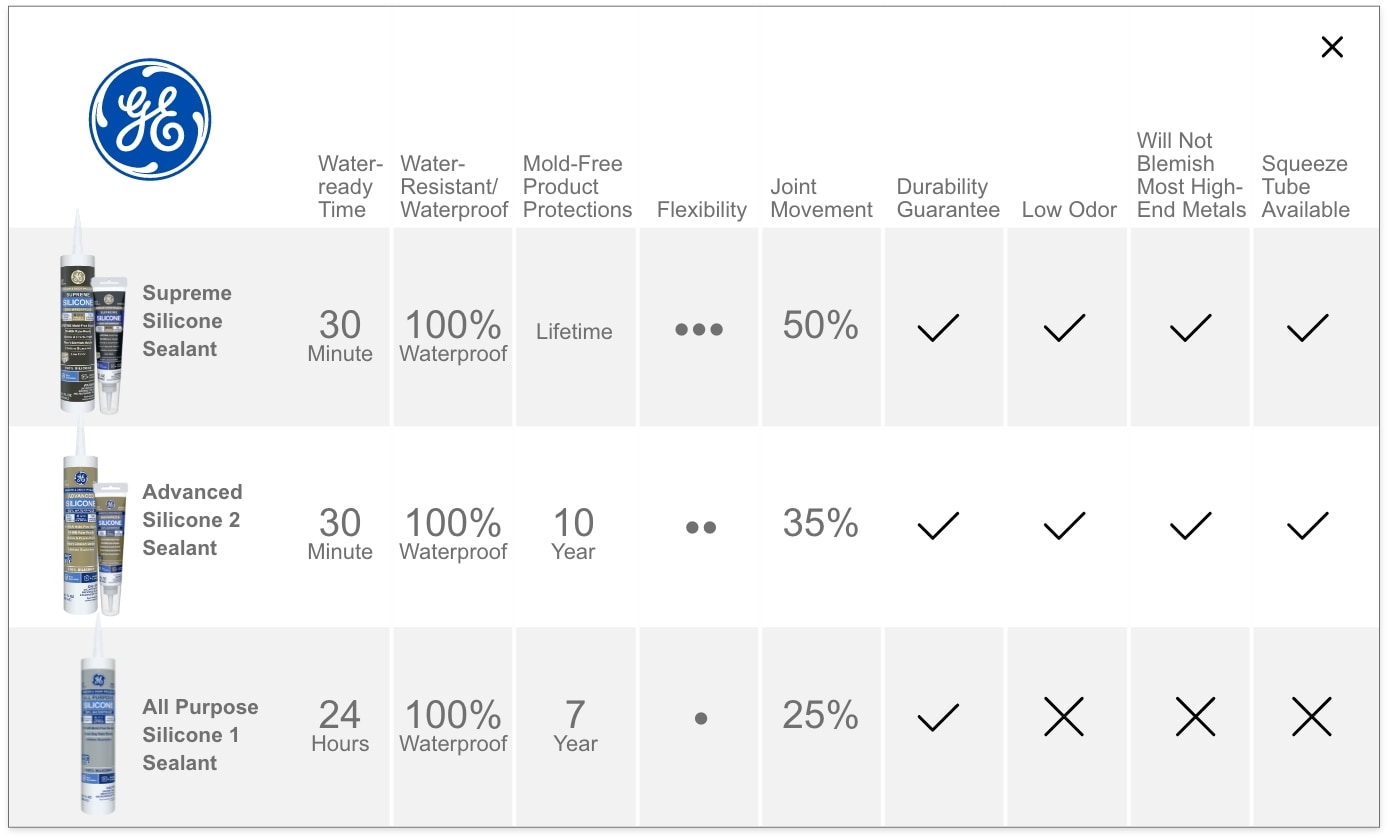
Ge Silicone 1 Vs Silicone 2
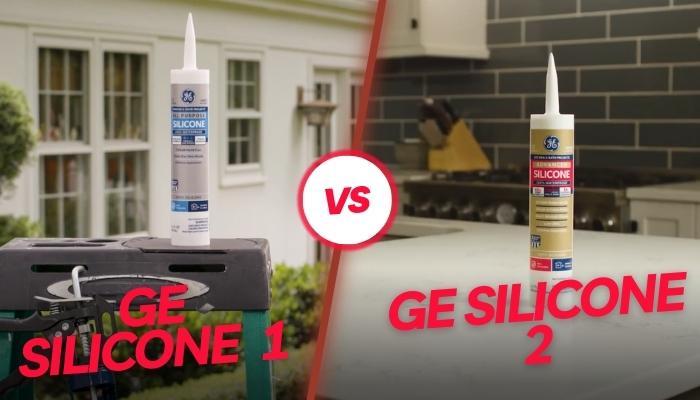
Alright, gather 'round, folks, because I've got a little confession. Not too long ago, I was knee-deep in a bathroom renovation, feeling like a certified DIY goddess, until I hit the sealant stage. You know the drill, right? You're picturing that perfect, seamless line around the tub, water-tight and looking professional. I grab a tube, slap it on, feel pretty chuffed with myself. Fast forward a week, and what do I see? A tiny, almost imperceptible line of black speckles appearing in my pristine white caulk. Mildew! My carefully crafted seal was turning into a biological experiment.
I was baffled. I thought "silicone" was "silicone." Turns out, my friends, that's like saying "car" is "car" when you're standing in a dealership staring at everything from a souped-up sports car to a reliable family sedan. They both have wheels, sure, but they're built for entirely different rides. And that's where we dive headfirst into the glorious, confusing, and surprisingly vital world of GE Silicone 1 vs. Silicone 2.
You see, for the uninitiated, they look pretty much identical on the shelf. Same brand, similar packaging, both promising to seal and protect. But trust me, understanding the difference is like gaining a superpower for your next home improvement project. It'll save you from my mildew-y fate, and probably a few headaches too. Let's break it down, shall we?
Must Read
GE Silicone 1: The OG, The Purist
Think of Silicone 1 as the purist, the no-nonsense, 100% silicone workhorse. It's fantastic at what it does, and what it does is seal things up tight, particularly against water. This stuff is incredibly flexible, durable, and when cured, it creates an almost impenetrable barrier.
Its secret sauce (or rather, its curing agent) is acetic acid. And if that sounds familiar, it's because it's essentially vinegar. That's right, the pungent smell you often associate with fresh caulk? That's Silicone 1 doing its thing. It's a strong smell, no doubt, and it lingers, so definitely open those windows!
Where it shines: This is your go-to for anything that needs a truly waterproof, flexible seal on non-porous surfaces. Think glass, ceramic tile, porcelain, fiberglass, metal. It's brilliant for sealing around sinks, bathtubs, showers, and even window glazing where you're sealing glass to a non-porous frame. It’s often a bit more budget-friendly too.
The catch: Because it's 100% silicone and cures with acetic acid, it has a few quirks. First, that smell. Second, and this is a big one, it is NOT paintable. Seriously, don't even try. Paint just won't stick to it. Also, it doesn't adhere well to porous materials like wood, concrete, or masonry. And while it's waterproof, it generally doesn't come with built-in mildew protection, which is probably why my shower turned into a science experiment.
GE Silicone 2: The Modern Marvel, The All-Rounder
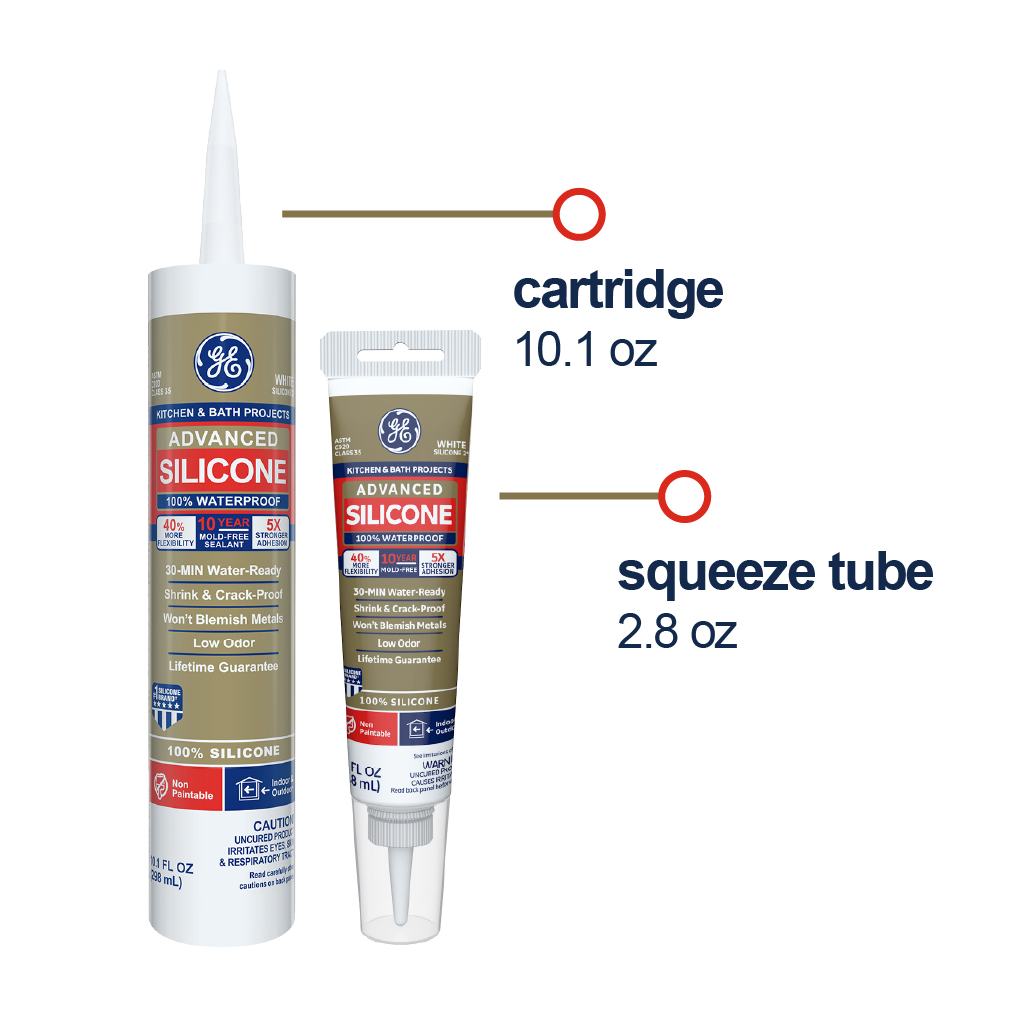
Now, let's talk about Silicone 2. This is GE's "advanced" formula. It's still a fantastic silicone-based sealant, but it's been engineered with a few key differences to make it more user-friendly and versatile. It's not always 100% silicone in the same way Silicone 1 is; it often contains other additives to achieve its enhanced properties.

The biggest difference? It's typically a neutral cure silicone, meaning it doesn't release acetic acid during curing. Translation: much lower odor. Hallelujah! Your nose (and your family) will thank you. This makes it a much better choice for indoor projects, especially in poorly ventilated areas.
Where it flexes its muscles: Silicone 2 is often formulated to include mildew resistance right out of the tube (score!). It also boasts better adhesion to a wider variety of materials, including some porous surfaces that Silicone 1 would scoff at. And here's the kicker for many DIYers: some versions of Silicone 2 are paintable! (Always check the label, though, because not all variations are, and you don't want to learn that the hard way.) This makes it perfect for projects where aesthetics matter and you need that seamless painted finish.
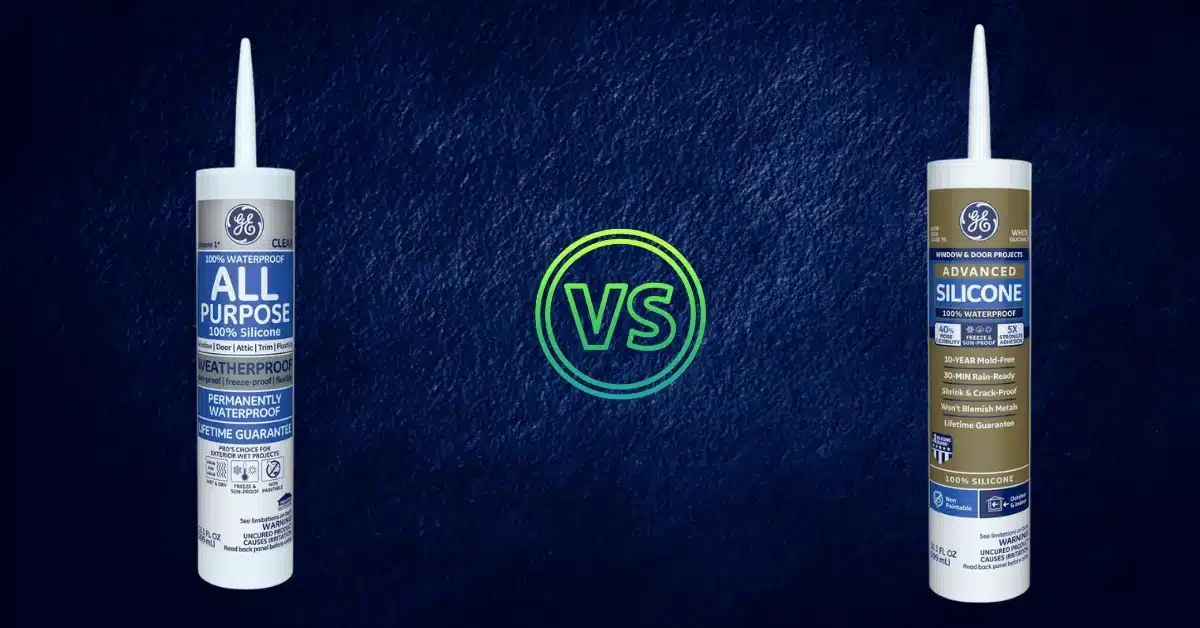
The trade-offs: While incredibly versatile, Silicone 2 can sometimes be a touch more expensive than Silicone 1. And while its adhesion is broader, for the absolute toughest, most flexible, non-porous bonds, some purists still lean towards Silicone 1's pure silicone strength. Plus, you absolutely must read the label for specific features like paintability or extended mildew protection, as formulations can vary.
So, Which One Do You Grab?
It boils down to your project, my friend:
-
Choose Silicone 1 if:
- You need the ultimate waterproof, flexible seal on non-porous surfaces (glass, tile, metal, porcelain).
- You're okay with the strong vinegar smell.
- You absolutely, positively do not need to paint over it.
- Budget is a primary concern.
- Think: re-caulking a shower stall, sealing around a brand-new sink, or doing some serious window glazing.
-
Choose Silicone 2 if:
- You want low odor, especially for indoor projects.
- You need mildew resistance (which it often includes).
- You need to adhere to a wider range of materials, including some porous ones.
- You might need to paint over it (check the label!).
- Think: general purpose sealing, outdoor applications, sealing around windows or doors where you might want to paint the trim, or anywhere ventilation is poor.
See? It's not about one being "better" than the other, but rather about picking the right tool for the job. Knowing the difference between GE Silicone 1 and Silicone 2 will save you time, frustration, and potentially another regrettable mildew situation. So next time you're staring down that caulk gun, you'll be armed with knowledge, not just sticky goo. You're welcome, fellow DIY warrior!