Gas Setting For Mig Welding

Ever peeked into a workshop and seen someone doing MIG welding? It's that mesmerising dance of sparks, light, and molten metal. Pretty cool, right? But beyond the flashy light show, there's a lot of subtle science happening. And one of the unsung heroes in that process, a real quiet achiever, is the gas setting. Sounds a bit boring, perhaps? Trust me, it's anything but! It's like the secret sauce, the invisible bodyguard, the very air that lets the magic happen.
So, what's the deal with this gas? When you're MIG welding, you're essentially melting a wire electrode and feeding it into a joint, creating a super-hot puddle of molten metal that fuses two pieces together. This molten metal, fresh from its transformation, is incredibly vulnerable. Think of it like a newborn baby – it needs protection!
The Invisible Shield: Why Gas Matters
That's where the gas comes in. It's not just for show; it's a vital part of the process. The gas flows out of the welding gun nozzle, creating an invisible cloud around the weld puddle. What does this cloud do? It pushes away all the nasty stuff in the air – oxygen, nitrogen, moisture. If these unwelcome guests get into your molten metal, they'll cause all sorts of problems: porosity (tiny holes in your weld), brittleness, and a generally ugly, weak weld. Imagine trying to bake a cake without an oven, just out in the elements – it wouldn't turn out well, would it?
Must Read
The gas is your weld's personal force field, its protective bubble. Without it, or with the wrong amount, your beautiful, strong weld turns into a crumbly, weak mess. That's why getting the gas setting just right is such a big deal.
The Goldilocks Zone: Too Much, Too Little, Just Right
This is where the fun really begins, because setting your gas is a bit like finding the "Goldilocks Zone" – not too much, not too little, but just right.
What happens if you have too little gas flowing? Well, your invisible bodyguard isn't doing its job properly. Air gets in, contaminates the weld, and you end up with those ugly holes and weak spots. It's like trying to protect yourself from a rainstorm with a tiny, leaky umbrella – you're just going to get soaked, and your weld will get contaminated.
And what if you have too much gas? You might think, "More protection is better, right?" Not necessarily! Too much gas flow can create turbulence, which actually sucks ambient air into your shield, defeating the whole purpose. Plus, you're just wasting expensive gas! It's like trying to blow out a candle with a hurricane-force gust; you might put it out, but you're also making a huge mess and wasting a lot of effort.
The sweet spot, the just right setting, ensures a smooth, consistent flow that effectively shields your weld without creating chaos or waste. It makes all the difference between a professional-looking, strong weld and one that looks like it was done by a squirrel with a sparkler.
How Do We Find That Sweet Spot? Meet the Flowmeter!
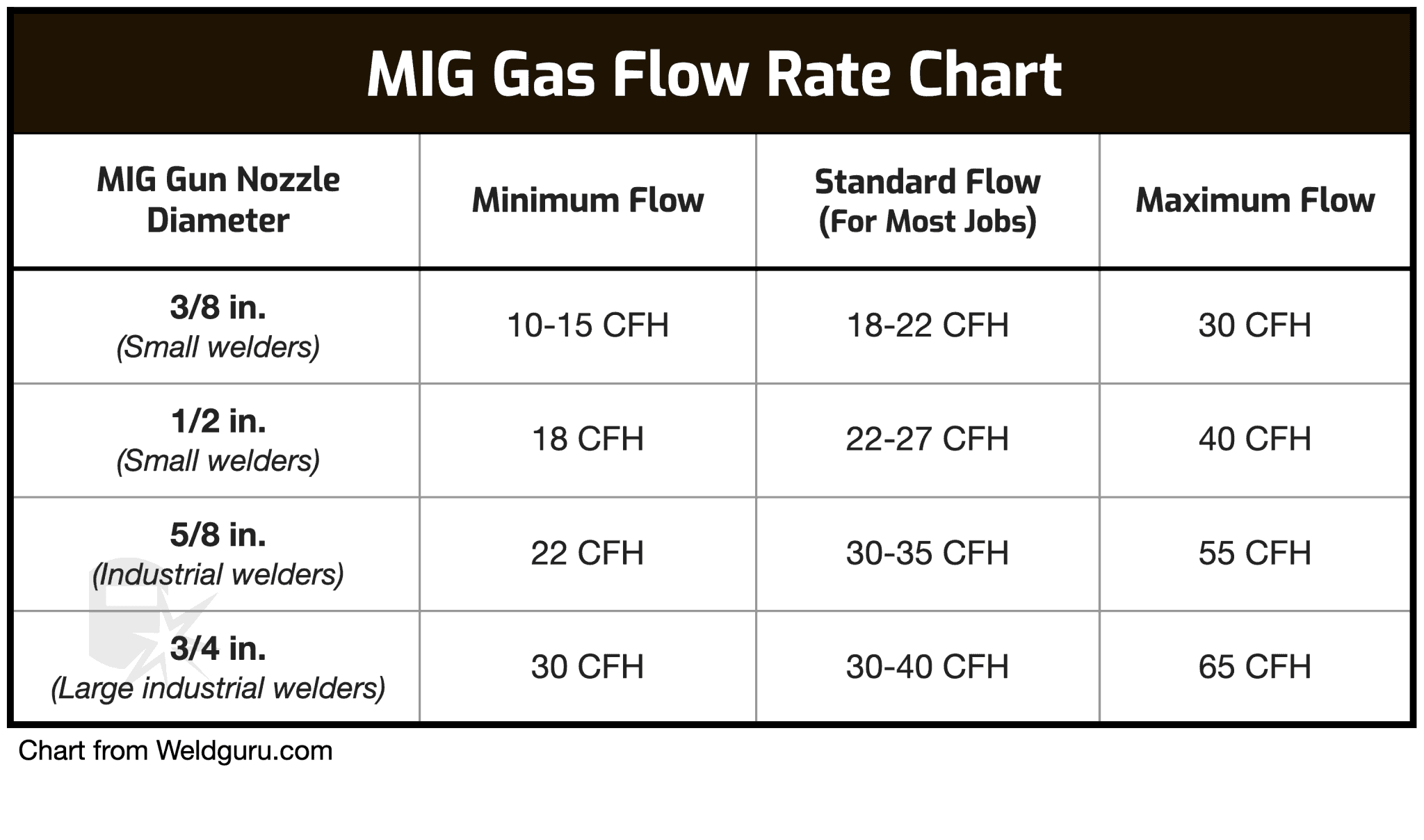
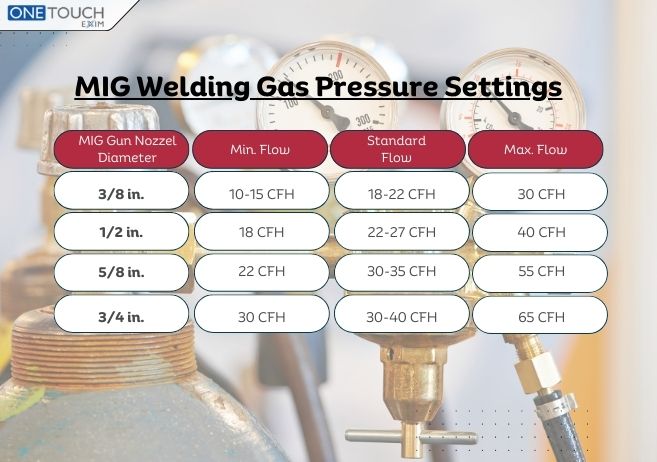
So, how do welders control this mystical gas flow? With a handy device called a flowmeter. It's usually attached to your gas cylinder regulator and has a little ball (or a dial) that tells you how many cubic feet per hour (CFH) of gas are flowing. Think of it like a speedometer for your gas. For most mild steel MIG welding, you're often looking at a range of about 15-25 CFH, but this can vary.
What makes the "right" number fluctuate?
- Your environment: Welding in a drafty garage? You might need a little more gas to fight off the breezes, like trying to protect a campfire from a gusty wind.
- Nozzle size: A bigger nozzle often requires a slightly higher flow rate to fill the larger area with protective gas.
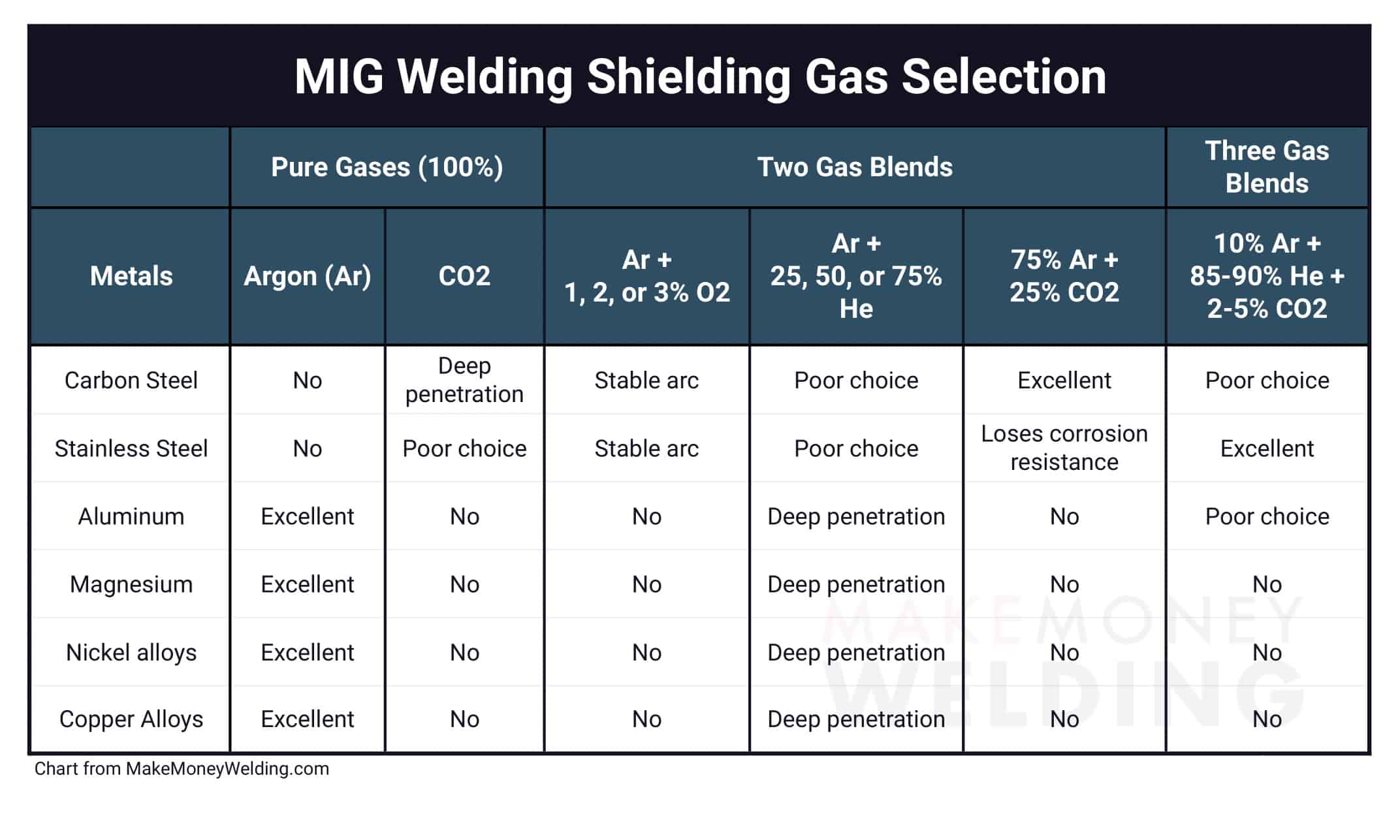
- Type of gas: Are you using 100% Argon for aluminum? Or an Argon/CO2 mix (often called C25) for steel? Different gases and materials have slightly different ideal ranges.
- Welding position: Overhead welding might require a slightly different flow than flat welding.
Ultimately, a lot of it comes down to a little bit of trial and error and developing an eye and an ear for what looks and sounds right. A good weld has a consistent hum, and the finished bead should be clean and smooth, without excessive spatter or pinholes.
Why Should You Care?
Beyond the technicalities, understanding gas settings is cool because it highlights how seemingly small details in welding can have a massive impact. It transforms welding from just "melting metal" into a more nuanced craft, where understanding your materials, your environment, and your tools allows you to create something truly strong and beautiful.
It's about precision, efficiency, and ultimately, making sure your weld is as robust and reliable as possible. So next time you see a welder at work, spare a thought for that invisible gas shield, silently doing its vital job, making sure the magic happens just right. It's a fundamental part of the dance, and knowing about it makes the whole process even more fascinating!