Gas Regulator For Mig Welder

Ever found yourself watching a skilled welder effortlessly join two pieces of metal, sparks flying, creating something strong and beautiful? It’s a pretty cool sight, isn't it? If you've ever dreamt of doing that yourself, or maybe you're already dabbling in the world of MIG welding, then there’s one unsung hero in your setup that truly makes all the difference: the gas regulator. It might sound like a bit of a dry, technical component, but trust me, understanding this little device is where the fun and satisfaction of good welding truly begins.
So, what exactly is this mystical gas regulator and why is it so important? Simply put, a gas regulator is the essential bridge between your high-pressure gas cylinder (full of argon, CO2, or a mix) and your welding torch. Imagine trying to drink from a fire hose – that's your gas cylinder! The regulator takes that intense pressure and transforms it into a steady, controlled flow that your welder can actually use. For beginners, this means you get consistent, clean welds right from the start, making the learning curve much smoother. It prevents you from wasting expensive gas and helps avoid frustrating issues like excessive spatter or weak welds. For hobbyists, a good regulator ensures repeatable quality across all your projects, from repairing a garden gate to fabricating a custom art piece. It’s all about control, precision, and ultimately, better results that make you proud.
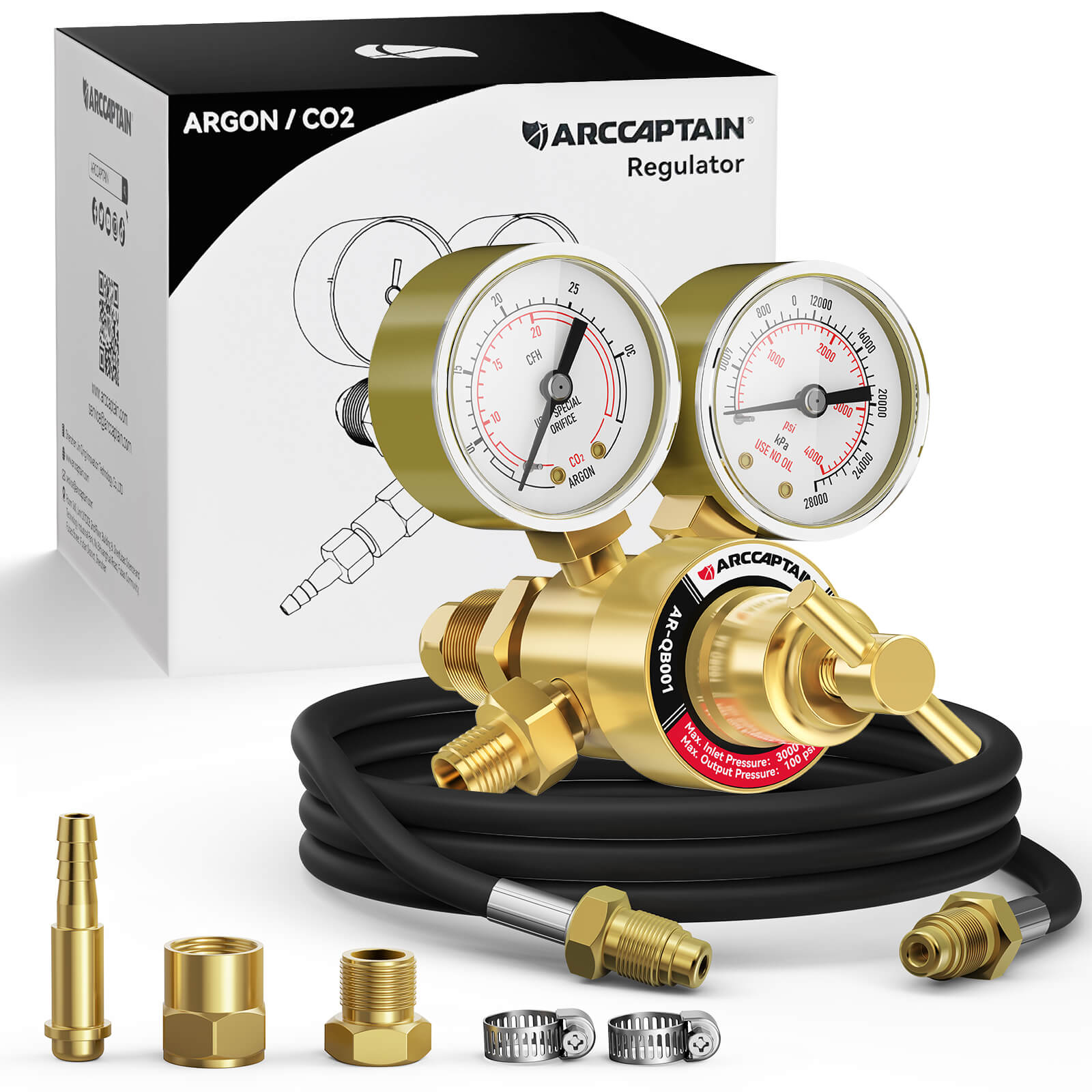
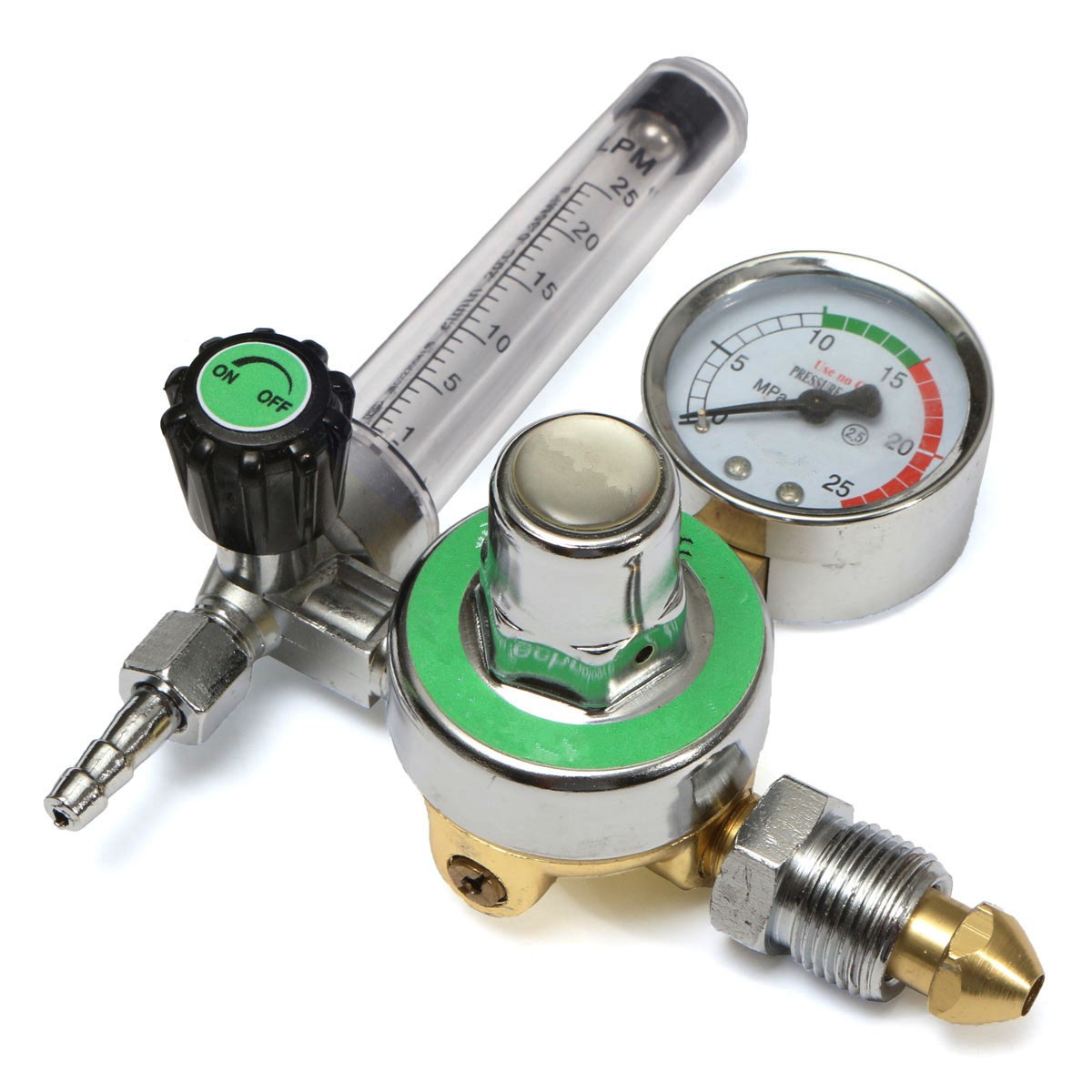
You’ll find a few variations out there, each designed to optimize your welding experience. Some regulators are designed specifically for different gases, like a dedicated CO2 regulator which might include a built-in heater to prevent the gas from freezing as it expands. Others might be single-stage or dual-stage; dual-stage regulators offer even greater stability in gas flow, which can be a big plus for very precise work. Most regulators come equipped with gauges: one to show you how much gas is left in your tank, and another to indicate your output flow rate, often measured in cubic feet per hour (CFH) or liters per minute (LPM). Some even feature a little ball float in a tube, which provides a super clear visual of your gas flow.
Must Read
Ready to get started or improve your setup? Here are a few simple, practical tips. First, always make sure your regulator is compatible with the type of gas you’re using. Next, read your welder's manual; it will recommend the ideal gas flow rate for different materials and thicknesses. When attaching your regulator, ensure all connections are snug but don't overtighten them. A quick check for leaks using a little soapy water on the connections is always a good idea – if you see bubbles, you’ve got a leak! Finally, when you start welding, begin with a slightly lower flow rate and adjust upwards until you achieve that perfect, smooth arc and clean weld bead. It’s all about finding that sweet spot!
In essence, the gas regulator is your silent partner in the workshop, ensuring that the magic of MIG welding happens smoothly and efficiently. It’s not just a piece of equipment; it’s a tool that empowers you to create stronger, cleaner, and more professional-looking welds. By understanding and properly utilizing this crucial component, you're not just welding metal, you're building confidence and unlocking a whole new level of enjoyment in your crafting endeavors.