Gas Pressure For Tig Welding

Okay, let's talk about something that sounds super nerdy but is actually, like, totally fascinating: gas pressure for TIG welding. You might be thinking, "Gas pressure? Really?" But trust me, it's where the magic happens, and it's way more fun than it sounds!
Imagine this: a welder, focused, sparks flying (but not too many!), making beautiful, clean welds that look like a stack of dimes. That's TIG welding for you. It's the supercar of welding processes, demanding precision, skill, and a very, very specific invisible bodyguard: shielding gas. And the pressure of that gas? That's our unsung hero.
Meet the Invisible Force Field: Argon!
So, what's this gas we're talking about? Mostly, it's argon. Pure, majestic argon. It's an inert gas, which means it basically doesn't react with anything. Think of it as the ultimate zen master. When you're welding, you're melting metal to join two pieces together. That molten metal is super vulnerable, like a baby bird, to all the nasty stuff in the air – oxygen, nitrogen, all the things that want to mess up your beautiful weld. Enter argon!
Must Read
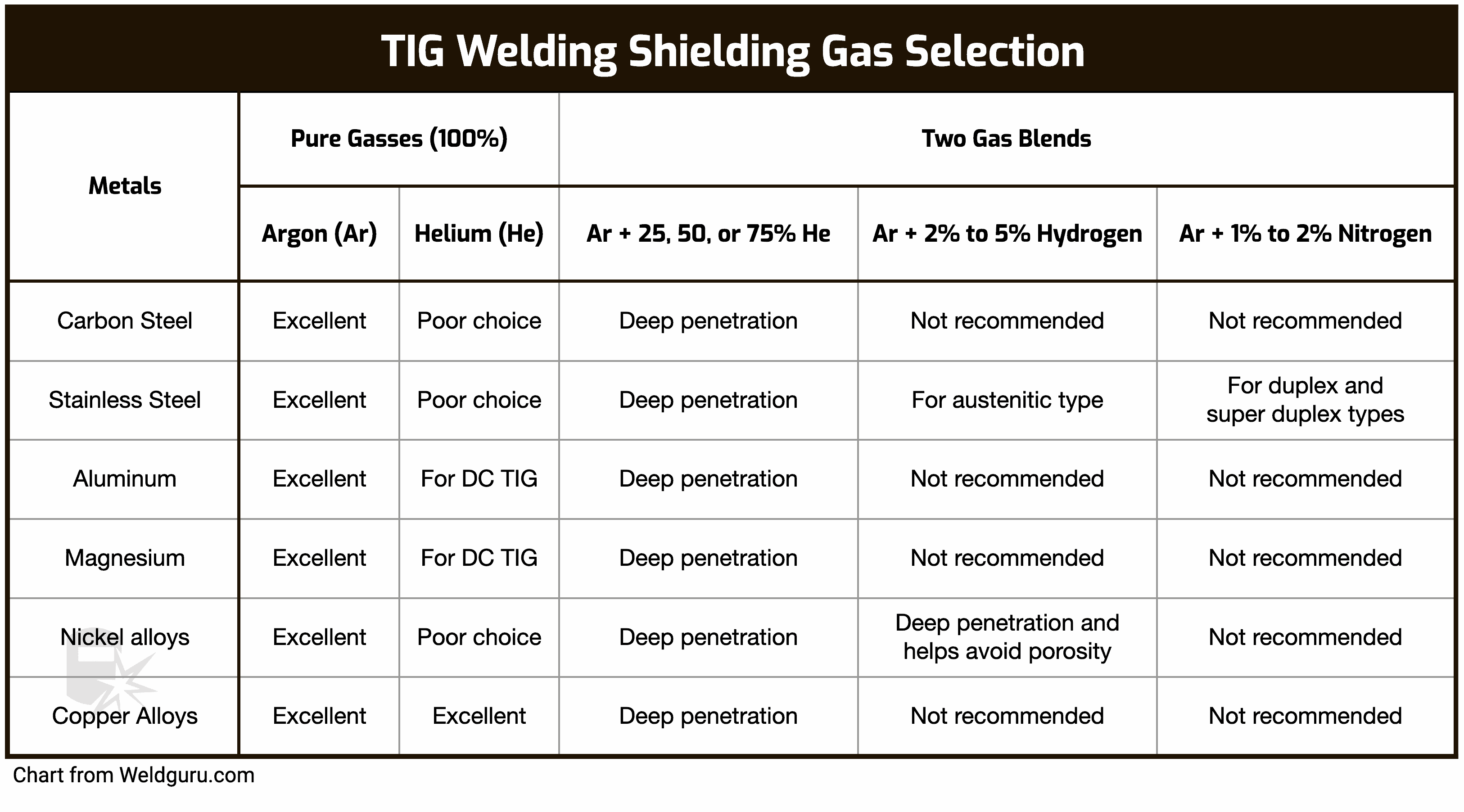
The argon flows out of the torch, creating an invisible bubble, a protective force field around the molten puddle and the hot tungsten electrode. This keeps atmospheric contaminants away, ensuring a clean, strong, and pretty weld. Without it? You get a nasty, brittle, porous mess that looks like it lost a fight with a cheese grater. No fun.
Pressure vs. Flow: Not the Same Thing!
Now, here's where it gets juicy. We talk about "gas pressure," but what we're really dialing in at the torch is flow rate. This is a common misunderstanding, even for some welders! Think of it like this:

- Pressure is how much oomph is in the gas cylinder, usually a bazillion PSI (pounds per square inch). Way too much for welding directly!
- Flow rate is how much gas is actually coming out of your torch per minute. We measure this in Cubic Feet per Hour (CFH) or Liters per Minute (LPM).
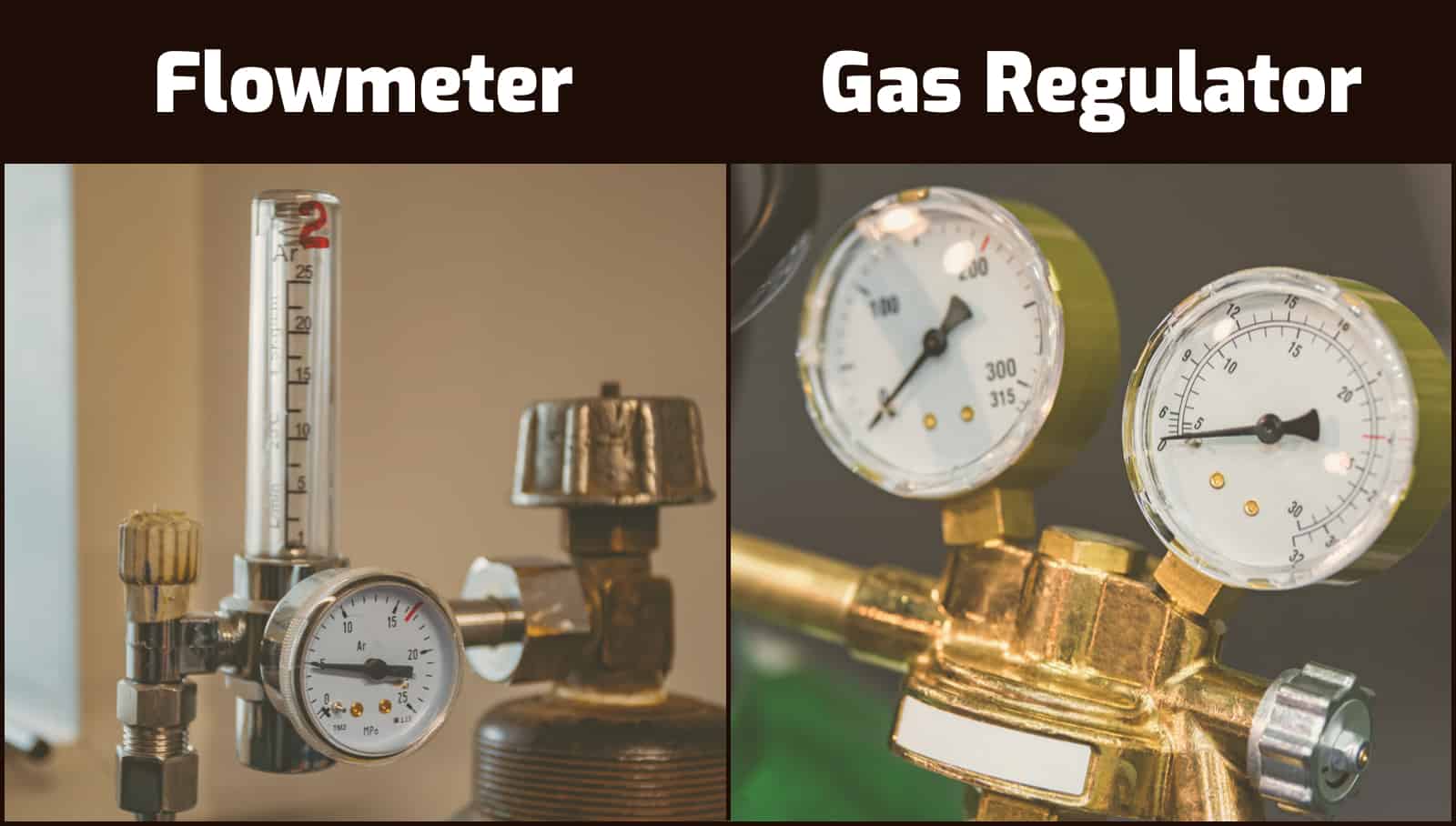
You wouldn't water a delicate flower with the full blast of a fire hose, right? Same idea. Your gas cylinder has immense pressure, but your regulator (the fancy gauge-filled device) tames that beast down to a gentle, controlled flow. It's like going from a raging river to a serene, perfectly flowing stream.
The Goldilocks Zone: Just Right
Getting the flow rate right is an art form. It's all about finding that Goldilocks Zone. Too little gas flow, and your invisible shield is weak. Air creeps in, porosity happens, and your weld looks like Swiss cheese. Boo!
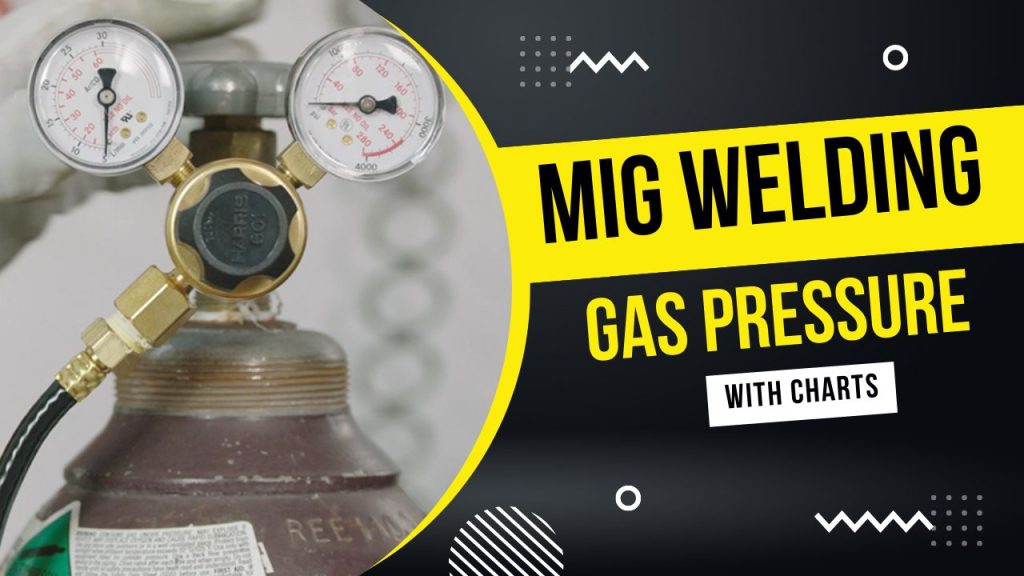
But wait, can you have too much? Absolutely! If your flow rate is too high, it becomes like a tiny hurricane. That super-fast gas flow can actually pull air into the weld zone, creating turbulence and defeating the whole purpose of the shield! Plus, you're wasting expensive argon faster than you can say "weld spatter." It also cools the weld puddle too quickly, making it harder to manipulate. Double boo!
Quirky Fun Facts & The Sound of Perfection
What's quirky about this? For one, argon is heavier than air. This is brilliant because it means the gas naturally blankets downwards, sitting over your weld pool like a cozy, protective blanket. If it were lighter, it would just float away, and we'd be in trouble!
Another fun detail: you can often hear it. A good welder learns to recognize the subtle hiss of the gas. Is it too faint? Too aggressive? That hiss is the sound of your invisible shield doing its job. It's a welder's lullaby, telling them everything is just right. Or, sometimes, it's a warning whisper if something is off!
Imagine the delicacy involved: you're controlling electricity, heat, and an invisible gas flow, all at once, to transform metal. It's like conducting a tiny, silent orchestra of precision. The gas flow needs to match the amperage, the material, the joint type, even the ambient wind conditions in the workshop! A slight breeze can completely ruin a TIG weld by blowing away that precious argon shield.
Why It's So Cool (Pun Intended!)
So, the next time you see a TIG welder, remember the incredible dance happening with the invisible gas. It's not just "gas pressure"; it's a meticulously controlled flow rate, creating an atmosphere of purity so that beautiful, strong welds can be born. It's a testament to how the tiniest, often unseen, details can make all the difference in a powerful process. It’s science, it’s art, it’s precision, and honestly, it’s just plain cool!