Gas Metal Arc Welding Aluminum
Hey there, my welding buddy! Ever looked at a shiny piece of aluminum and thought, "Man, I'd love to stick those two together... but also, I'm a little scared"? Well, you're not alone! Welding aluminum, especially with Gas Metal Arc Welding (GMAW), can feel like trying to tame a wild, beautiful, and incredibly heat-conductive beast. But fear not, because we're about to dive into the wonderful world of GMAW aluminum, and trust me, it's way more fun than it sounds!
Think of aluminum as the diva of metals. It’s light, it’s strong, it looks fantastic, but it has specific demands. Unlike its chill cousin, steel, aluminum melts at a lower temperature but needs a lot of heat delivered super fast to get going. Plus, it forms this pesky oxide layer that's tougher than the metal itself. It’s like trying to stick two pieces of butter together, but one of them is covered in invisible, stubborn cling film. Annoying, right?
Why GMAW for Aluminum? It’s a Game Changer!
So, why is GMAW (often called MIG welding) such a sweet spot for aluminum? Because it's generally faster and easier for many applications compared to TIG welding, especially if you're tackling thicker sections or longer welds. It’s like switching from a precision paintbrush to a high-speed roller – still art, just quicker!
Must Read
The magic really happens thanks to a few key players:
1. The Spool Gun or Push-Pull Gun: This is your aluminum welding MVP. Aluminum wire is super soft, which means it doesn't like being pushed a long way through a standard MIG liner. It's prone to bird-nesting and just generally throwing a tantrum. A spool gun has a mini-spool of wire right on the gun, drastically reducing the travel distance. A push-pull system, as the name suggests, pulls the wire from the gun end while the machine pushes, ensuring smooth delivery. No more tangled messes and dramatic sighs!
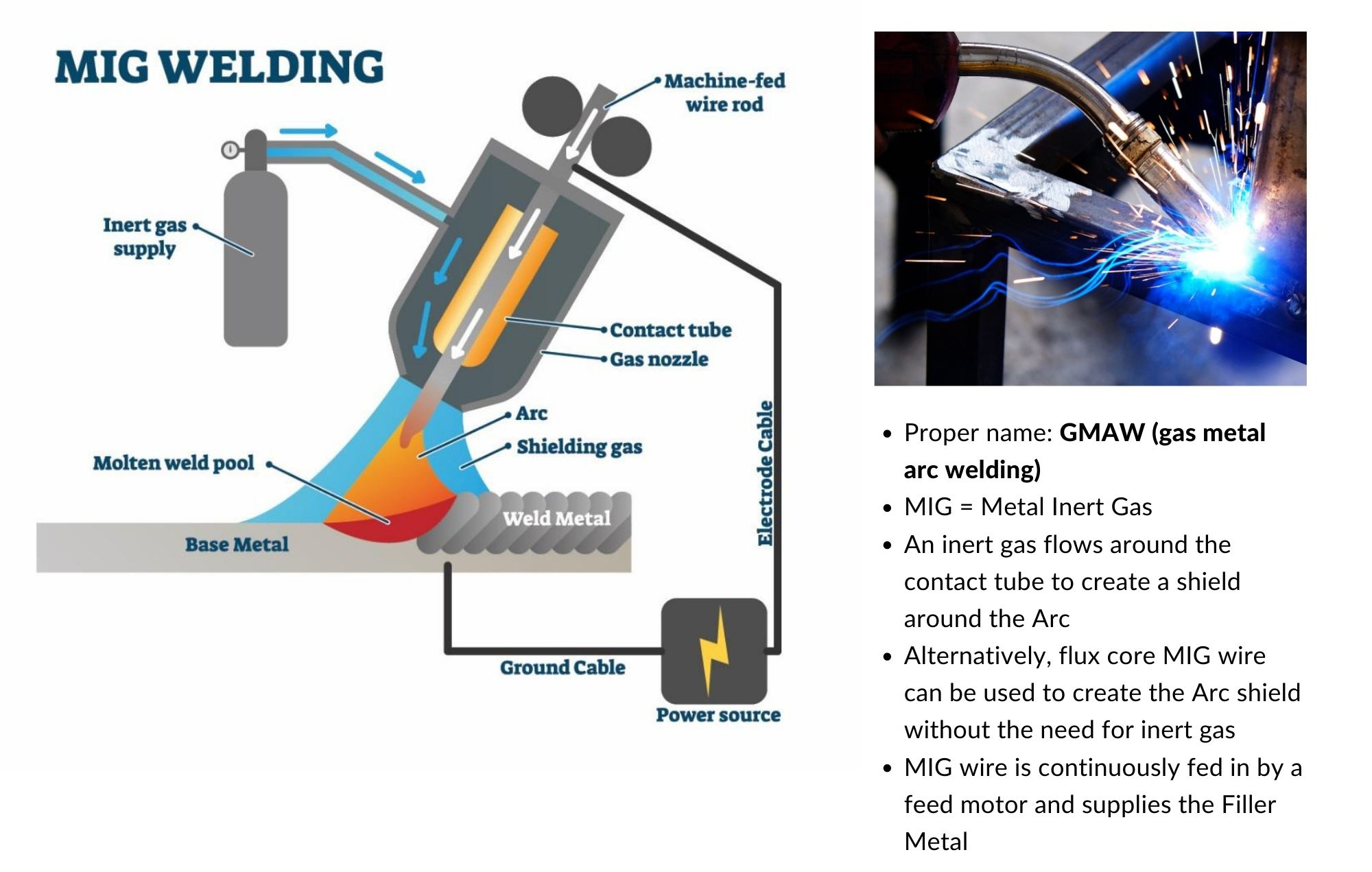
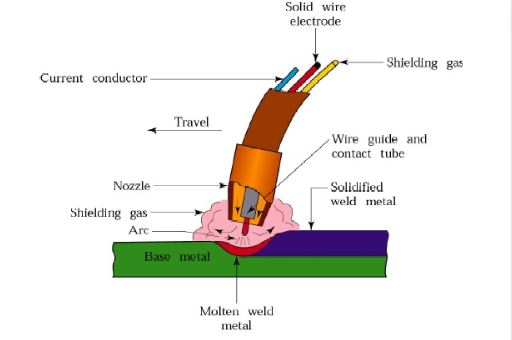
2. Pure Argon Shielding Gas: Forget those mixed gases you use for steel. For aluminum, we go 100% Argon. It’s like giving aluminum its favorite comfy blanket – it shields the weld pool beautifully from atmospheric contaminants, ensuring a clean, strong, and pretty weld. Anything else, and you're inviting porosity to the party, and nobody wants that!
3. The Right Wire: You'll typically be using an aluminum alloy wire that matches or is compatible with your base metal. Common ones are 4043 (great all-rounder, less crack-prone) or 5356 (stronger, good for marine applications). Remember, this wire is soft, so handle it gently, like a delicate croissant.
Getting Started: Your Pre-Flight Checklist
Before you even think about striking an arc, remember these golden rules:
- Cleanliness is Next to Godliness (and Good Welds): This isn't just a suggestion; it’s a commandment for aluminum. That oxide layer? It's your enemy. Wire brush your joint (stainless steel brush, dedicated only to aluminum), wipe it with acetone, and make sure it’s sparkling. Any grease, dirt, or old oxide will lead to porosity, making your weld look like Swiss cheese and perform like soggy cardboard.
- AC Polarity (Often): Most GMAW aluminum is done with DCEP (Direct Current Electrode Positive), but some advanced pulse systems can utilize AC for better cleaning action. For standard GMAW, DCEP is your go-to.
- Heat, Heat, Heat (and Speed): Aluminum sucks heat away like a sponge, so you'll need higher amperage and faster travel speeds than you'd expect for steel of the same thickness. Don't dawdle! Think "hot and fast," like a rocket launch!
- Push, Don't Pull: With aluminum, you generally push the puddle. This helps clean the metal ahead of the arc and creates a flatter, wider bead with better penetration.
Your First Wobbly Steps and Beyond!
Don't expect your first aluminum bead to look like a stack of dimes. It might look more like a stack of squished pennies, and that's totally okay! Aluminum takes practice, patience, and a bit of playful perseverance.
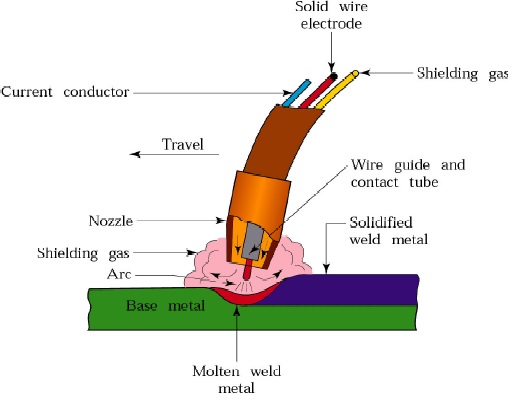
Start with simple practice pieces, get your machine settings dialed in (voltage and wire feed speed are crucial, and often linked on many machines), and focus on maintaining that consistent travel speed and push angle.
The beauty of learning GMAW aluminum is the incredible satisfaction you'll feel when those perfect, shiny beads start to form. It’s a skill that opens up a world of possibilities, from repairing aluminum boats and trailers to fabricating lightweight custom parts for your next big project.
So, grab that spool gun, put on your safety gear, and get ready to create some beautiful, strong aluminum welds. It might challenge you, it might make you scratch your head, but ultimately, mastering GMAW aluminum will leave you with a sense of accomplishment that’s as bright and shiny as the metal itself. Go on, unleash your inner aluminum wizard – the world (and your garage) is waiting for your next awesome creation!