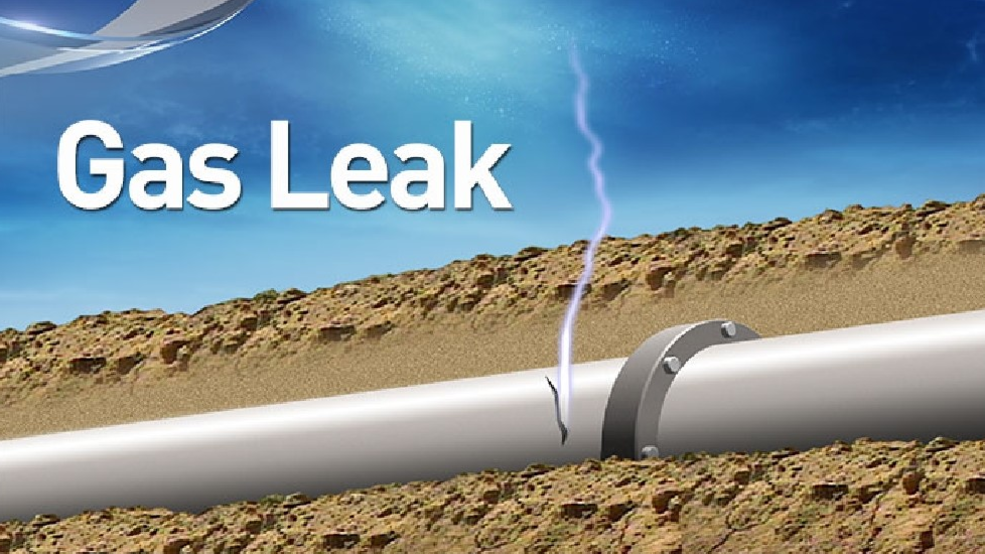
Gas Leak In House Who To Call

Alright, gather 'round, folks, because we need to talk about one of those situations that instantly makes your stomach do a frantic little tango: smelling gas in your house. It’s not exactly "Oops, I left the oven on!" territory; it's more like "Oops, I might be living in a ticking time bomb!" territory. But fear not, intrepid homeowner/renter/casual gas-smeller, because we're going to navigate this potential sniff-uation with grace, a little humor, and all the crucial info you need.
"What's That Smell?" – Or, The Tale of the Invisible Stink Monster
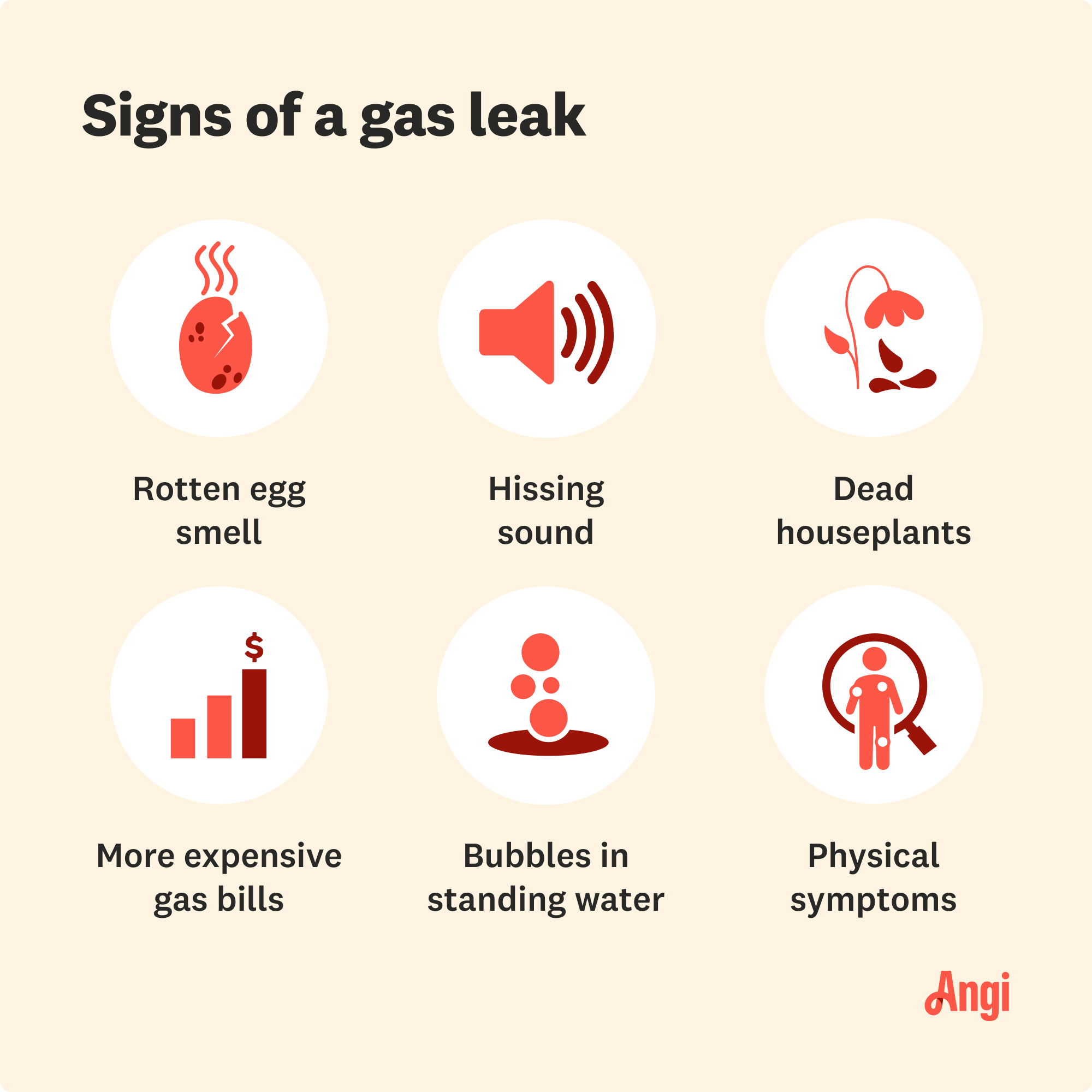
So, you walk into your kitchen, maybe after a long day, or perhaps you're just enjoying a quiet morning, and then BAM! Your nose is assaulted by that unmistakable odor. It's often described as rotten eggs, or sometimes a sulfurous, garlic-like aroma. It's truly a smell that kicks you in the olfactory senses and demands attention. And here’s a fun little fact for your next dinner party (assuming you don't have a gas leak then): natural gas itself is odorless! Mind-blowing, right? Gas companies actually add a harmless chemical called mercaptan to it so you can actually smell a leak. Thank goodness for chemistry, otherwise, we’d all be floating into space without realizing it.
The point is, if you smell it, don't ignore it. Your nose isn't playing tricks on you, and your house isn't suddenly manifesting a ghostly breakfast of expired omelets. It's a warning sign, loud and clear.
Must Read
The Panic Moment & The Absolute "DON'TS"
Okay, first things first: a little internal freak-out is perfectly normal. Your brain might jump to conclusions like "Am I going to spontaneously combust?" or "Is this how I finally become a viral meme?" Take a deep breath (preferably not a really deep breath if the smell is strong!), and let's get down to business. Here are the things your panicked brain might tell you to do, but which you absolutely, positively, must not do:
- Don't flip light switches. Not even for a second. The tiniest spark from turning a light on or off can ignite gas. Imagine a tiny spark being the villain in your action movie – very unassuming, but deadly.
- Don't use electrical appliances. This includes plugging things in, unplugging them, turning on your computer, or even thinking about brewing a quick emergency coffee. Same spark principle applies.
- Don't use your phone inside the house. Yes, I know, it's instinct to grab your phone and Google "gas leak why me," but a ringing or vibrating phone could also generate a spark. Put that phone down, Sparky!
- Don't light a match or a candle. I mean, this one seems obvious, but panic does funny things to people. We're not trying to set the mood; we're trying to prevent a boom.
- Don't open the garage door using an electric opener. Again, motor = spark potential.
Your "DO" List: The Escape Plan!
Right, so you've put a firm stop to all the potentially explosive bad ideas. Now for the good ones, the ones that keep you safe and sound. These are your immediate action steps, so listen up:
First, and most importantly: Get out. Get out now.
- Open windows and doors on your way out, if you can do so quickly and easily. This helps ventilate the area and lets some of that smelly gas escape. Think of it like giving your house a very urgent, fresh-air enema.
- Gather everyone. Pets included! Don't leave your furry (or scaly) friends behind. This is an all-hands-on-deck evacuation.
- Move to a safe distance. Get far away from the house. Across the street, down the block – somewhere where you feel a safe buffer zone between you and the potential problem. No lingering in the front yard to admire your petunias.
Who To Call: The Heroes of the Hour!
You're out, you're safe, you're breathing fresh (non-gas-infused) air. Good job! Now, and only now, is it time to pick up that phone. But who are you calling?

There are two crucial numbers you need:
- Your gas company's emergency line. This is your primary contact. They are the experts in all things gas-related. Most gas companies have a dedicated 24/7 emergency number. Find it on your gas bill, their website, or just Google "\[Your Gas Company Name] emergency number." They'll dispatch a technician who can safely detect the leak, shut off your gas, and fix the problem.
- 911 (or your local emergency number). Yes, the big one! Especially if the smell is very strong, you hear a hissing sound, or you or anyone else is experiencing symptoms like dizziness, nausea, or difficulty breathing. The fire department will respond, secure the area, and ensure public safety. They work hand-in-hand with the gas company in these situations. Think of them as the dynamic duo of disaster prevention!
Remember, always call these numbers from a cell phone outside your home, or from a neighbor's phone. Do not re-enter your house to make the call!
The Waiting Game & Peace of Mind
Once you've made the calls, just wait. Help will arrive, and they'll handle everything. They'll tell you when it's safe to go back inside. It might be a little inconvenient, sure, but it’s infinitely better than the alternative. You’ve done everything right: you identified the problem, acted swiftly and safely, and called the professionals. You're a safety superstar!
So, next time you catch a whiff of that tell-tale rotten egg scent, don't panic for too long. Channel your inner action hero, remember your "dos" and "don'ts," and get those calls made. Your nose, your house, and your peaceful existence will thank you.