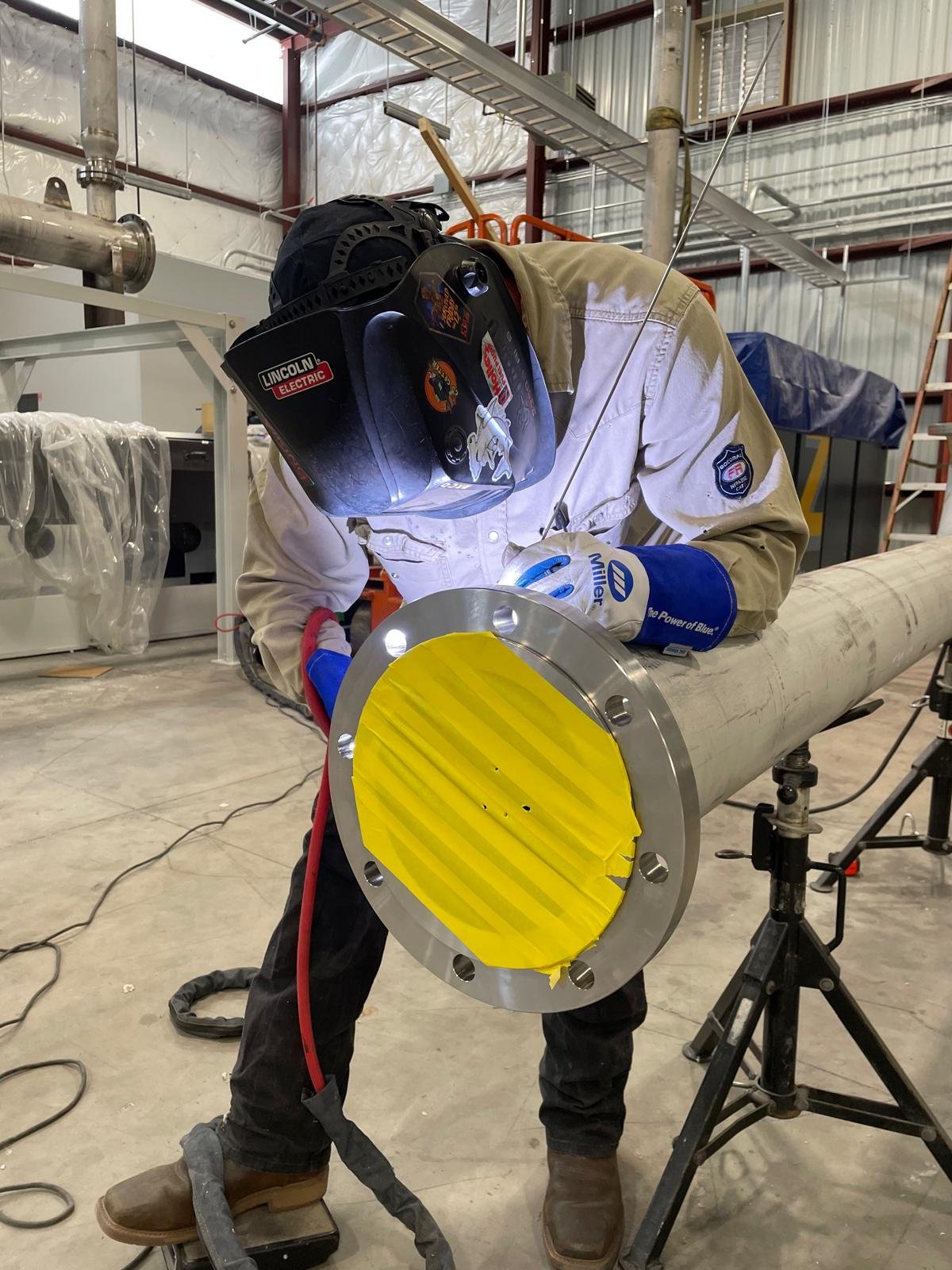
Gas For Welding Stainless Steel

Ever watched a welder at work? There's something mesmerizing about the bright arc, the glowing metal, and the way two separate pieces become one, seemingly by magic. It's a craft that combines artistry with serious engineering, especially when you're dealing with materials like stainless steel. But here's a little secret: one of the most crucial "ingredients" in making a strong, beautiful stainless steel weld isn't the rod or the machine itself – it's something you can't even see! We're talking about the gas for welding stainless steel, and understanding its role opens up a fascinating world of metallurgy and precision. So, let's pull back the curtain and peek into why this invisible helper is so vital.
Imagine trying to cook a delicate soufflé in a dusty, open field during a windstorm. Not ideal, right? Welding stainless steel is a bit similar. When you melt metal, it becomes highly reactive, eager to combine with anything in the air around it – particularly oxygen and nitrogen. These unwelcome guests can cause a host of problems: brittle welds, unsightly discoloration, and tiny internal voids called "porosity" that weaken the joint. This is where our invisible hero, the shielding gas, steps in. Most commonly for stainless steel, especially with the precise TIG (Tungsten Inert Gas) welding process, we use pure Argon gas. Argon is an "inert" gas, meaning it doesn't react with the molten metal. It forms a protective bubble, a calm atmosphere around the weld pool, keeping harmful atmospheric elements at bay. The benefits are immense: you get cleaner, stronger, and more corrosion-resistant welds that look fantastic. For stainless steel specifically, it's also crucial to "back purge" with argon – flooding the back of the weld to prevent nasty sugaring or oxidation on the underside, ensuring integrity all the way through.
So, where might you encounter the wonders of gas-shielded stainless steel welding? It’s far more common than you might think! In education, welding schools and technical colleges worldwide teach students the critical importance of gas selection and flow rates, turning beginners into skilled fabricators. In daily life, just look around! That gleaming stainless steel sink or countertop in your kitchen? Likely welded with a protective gas. The intricate, corrosion-resistant pipes in a brewery or a dairy plant? Definitely gas-shielded. High-performance automotive exhaust systems, shiny boat fittings, medical instruments, even public art sculptures – many of these rely on the strength and beauty of properly welded stainless steel. Its hygienic properties and resistance to rust make it indispensable in countless applications where cleanliness and longevity are paramount.
Must Read
Feeling a little curious about this unseen force? You don't need to pick up a torch yourself (unless you want to, which is awesome!). A great starting point is the vast ocean of online videos. Head over to YouTube and search for "TIG welding stainless steel" or "argon gas welding." You'll find captivating close-ups of the welding process, explaining how the gas creates that pristine puddle. If you're keen for a more hands-on experience, look for local community colleges or vocational schools that offer introductory welding classes. Many will have short courses where you can safely learn the basics and even get a feel for the equipment. Or, if you know someone who works in fabrication, ask them about their welding processes. They’d likely be thrilled to share insights into how they achieve those perfect, shimmering stainless steel joints, all thanks to that quiet, invisible hero: the shielding gas. It's a small detail that makes a world of difference!