
Gas For Tig Welding Stainless
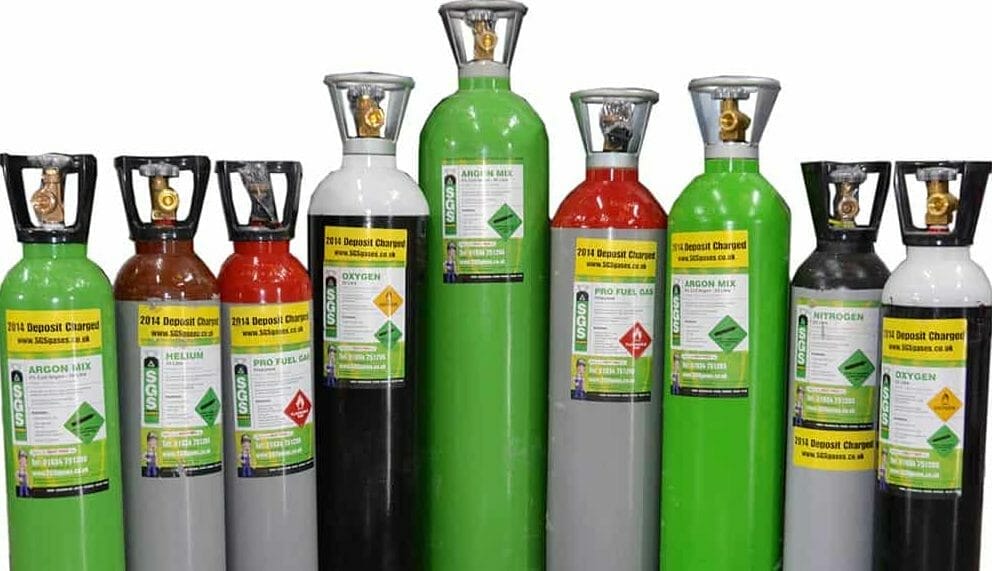
Alright, grab a comfy chair, maybe a cup of coffee (or something stronger, depending on your welding day), because we’re about to dive into a topic that, honestly, sounds about as thrilling as watching paint dry: gas for TIG welding stainless steel. But trust me, by the end of this, you’ll realize it’s actually the unsung hero, the silent guardian, the… well, you get the picture. Without it, your beautiful stainless projects turn into something that looks like it lost a fight with a rusty cheese grater.
Picture this: You're meticulously cleaning your shiny stainless, your tungsten is sharpened to a needle point, you’ve got your fancy foot pedal ready to sing. You strike an arc, and… poof! Your beautiful molten puddle starts to bubble, spit, and turn blacker than my soul before coffee. What went wrong? Ah, my friend, you forgot the bouncer at the club. You forgot the gas.
The Undisputed King: Pure Argon
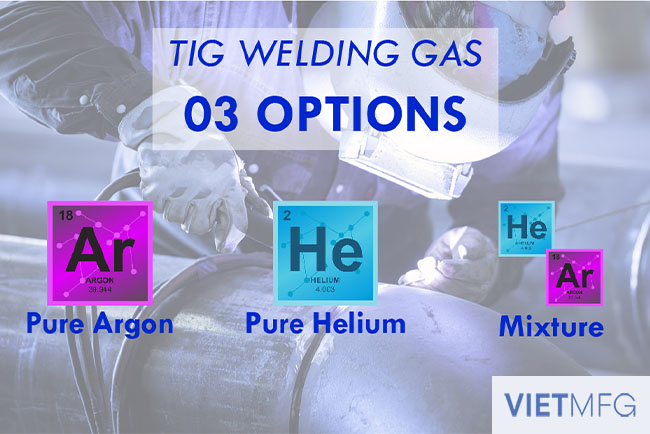
When it comes to TIG welding stainless, there’s one gas that rules them all, sitting on its throne, sipping a fancy cocktail: Pure Argon. Yes, just argon. Not argon-this, not argon-that. Just good old, unadulterated argon. Think of it as the ultimate bodyguard for your molten metal.
Must Read
Why argon? Because it's an inert gas. And "inert" in welding terms means it’s a total snob. It refuses to react with anything. While your molten stainless is exposed to the terrifying, oxygen-rich atmosphere (which, left unchecked, will cause instant rust and brittleness – gross), argon swoops in and forms a protective, invisible bubble around your weld puddle. It’s like putting your precious, molten metal in a tiny, atmospheric force field.
Without this atomic bodyguard, oxygen and nitrogen from the air rush in like paparazzi on a celebrity. They combine with your super-hot stainless, creating oxides that look like burnt sugar (hence the term "sugaring" on the backside of a bad stainless weld). These oxides are weak, brittle, and basically ruin your day. So, remember: Pure Argon is your best friend. Period.
"But Can't I Just Use Air?" (Don't You Dare)
Oh, bless your innocent heart. If you try to TIG weld stainless steel with just plain old air, you're not going to get a weld; you're going to get a science experiment gone horribly wrong. It’ll look like a pigeon got sick on your metal, followed by a fire. The arc will be erratic, the metal will be dirty, and you’ll end up with a weld that has the structural integrity of a wet napkin. So, let’s be clear: never, ever, ever try to TIG weld stainless without shielding gas. Seriously, the metal gods will smite thee.
Purity is Paramount: No Sneaky Intruders!
Just like you wouldn’t want a tiny bit of dirt in your perfectly crafted latte, your argon needs to be pure. We're talking 99.998% pure, sometimes even 99.999% pure, depending on how fancy you want to get. Even a tiny bit of moisture or contaminants in your gas supply can cause porosity, discoloration, and weaken your weld. It’s like inviting a bunch of tiny gremlins to your welding party – they’ll mess everything up.
So, always get your argon from a reputable supplier. And make sure your gas lines are clean and sealed. A tiny leak isn't just a waste of expensive gas; it's an open invitation for atmospheric nasties to sneak into your pristine argon shield. Think of it as leaving the backdoor open during a very exclusive party.

The Goldilocks Zone: Gas Flow Rate
Now, just having the right gas isn't enough. You also need the right amount of gas. This is where we enter the Goldilocks Zone. Too little gas, and your molten metal is still exposed to the atmosphere. Not enough bouncers for the paparazzi. Too much gas, and you create turbulence, which actually sucks ambient air into your weld zone. It's like having so many bouncers they start fighting each other and leave the VIP exposed!
Generally, for TIG welding stainless, you're looking at a flow rate somewhere between 15-25 cubic feet per hour (CFH), or about 7-12 liters per minute (LPM) if you speak metric. This isn’t a hard and fast rule, as cup size, joint configuration, and wind can all affect it. You want a smooth, laminar flow that gently blankets the weld. Listen to your gas, it often whispers its needs.
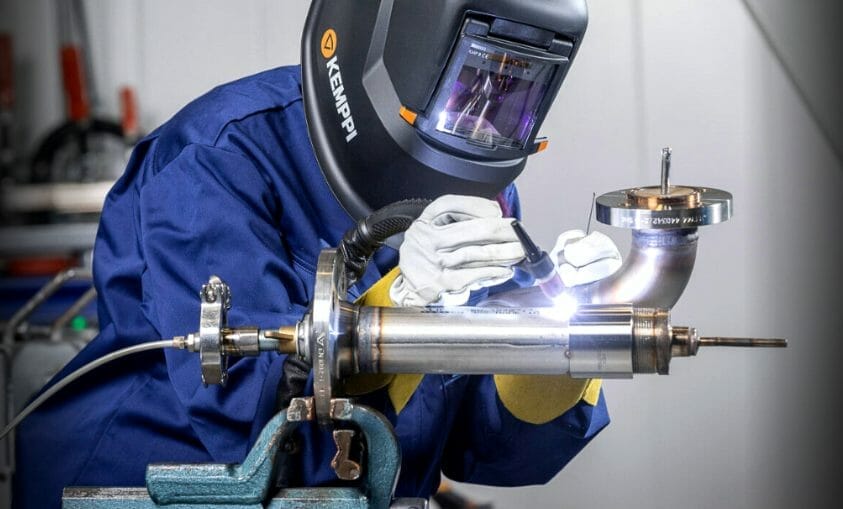
The Spicy Option: Argon-Helium Mixes (For Thicker Stuff)
Okay, so pure argon is king. But what if you're tackling some really thick stainless steel? Like, serious, industrial-grade stainless? That’s when you might introduce the rebellious cousin: Helium. An Argon-Helium mix (typically 75% Argon, 25% Helium; or 50/50 for even hotter applications) brings a hotter arc. Helium is less dense and requires a higher voltage to ionize, which means more heat delivered to the workpiece.
Why would you want more heat? For thicker material, it allows for better penetration, faster travel speeds, and can help to prevent undercut. It’s like adding a turbocharger to your welding rig. However, helium is much more expensive than argon, and it floats away much faster (being lighter than air, after all). So, be prepared for your gas bill to get a significant boost. Only use it when you need that extra heat, otherwise, you're just burning money faster than a teenager with a new credit card.
What About Argon-CO2? Or Straight CO2? (A Hard No!)
You might be familiar with these gases for MIG welding mild steel. And if you're thinking, "Hey, can I just use my MIG gas for TIG stainless?" The answer is a resounding, definitive, and slightly panicked NO! Carbon dioxide (CO2) is an active gas. It will react with your molten stainless, causing massive oxidation, porosity, and turning your beautiful stainless into a brittle, ugly mess. It's like bringing a cat to a dog show. It just doesn't belong, and things are going to get weird.
![How to TIG Weld Stainless Steel [Explained] - WeldingWatch](https://weldingwatch.com/wp-content/uploads/2023/12/TIG-Welding-Shielding-gas-guide-2048x1025.jpg)
So, to reiterate: for TIG welding stainless steel, stick to pure argon or an argon-helium mix for thicker sections. Everything else is just asking for trouble, heartbreak, and a whole lot of grinding.
Gas Cylinder Safety & Storage: The Not-So-Funny Bit
Just a quick public service announcement: gas cylinders are under high pressure. Treat them with respect. Secure them properly so they don't tip over. Don't let them become a giant, metal, unguided missile. Always transport them safely, cap on, chained down. And check your hoses and regulators for leaks regularly. A soapy water solution works wonders for finding those sneaky little gas escape routes.
The Grand Finale
So there you have it. The seemingly boring world of welding gas for stainless steel is actually quite dramatic! It's the difference between a pristine, strong, shiny weld that makes you look like a metal-working wizard, and a blackened, brittle, infuriating mess that makes you want to take up knitting. Pure Argon is your loyal companion. Master your gas flow, keep your supply pure, and your stainless welds will thank you with their glorious, untarnished shine. Now go forth and weld, you magnificent metal whisperer!