Gas For Tig Welding Aluminum
Ever found yourself staring at a shiny piece of aluminum, dreaming of turning it into something spectacular with a TIG welder? Whether you’re crafting bespoke motorcycle parts, intricate art pieces, or just fixing a wobbly lawn chair, TIG welding aluminum is a truly satisfying experience. It's a dance of precision, a ballet of heat and metal, and frankly, it looks incredibly cool when you get it right. But here’s a little secret for buttery-smooth welds that gleam like a silver lining: it’s not just about your torch skills or your machine settings. It's about the gas, baby. And not just any gas, but the right gas.
Think of your shielding gas as the invisible guardian of your weld. For aluminum TIG, it’s less of an optional extra and more of an absolute necessity. Aluminum is a bit of a diva; it loves to react with pretty much anything in the air – oxygen, nitrogen, even moisture. These reactions lead to nasty porosity, ugly inclusions, and welds that are weaker than a Monday morning espresso. Our gas hero steps in, creating an inert blanket around your molten puddle, keeping those contaminants at bay. It’s like a VIP section for your weld pool, where only good things are allowed in.
Meet Your Star Player: Argon
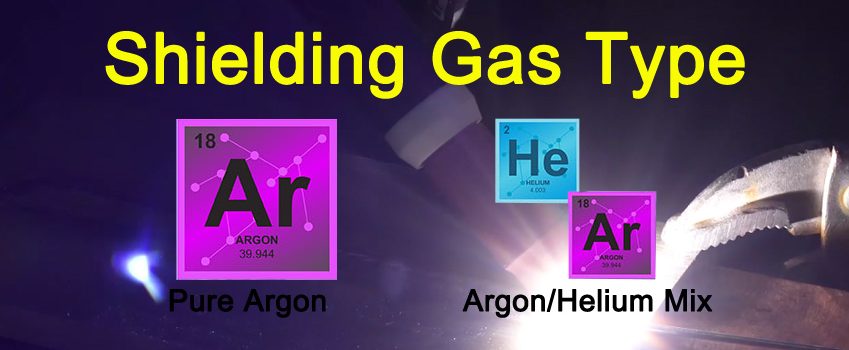
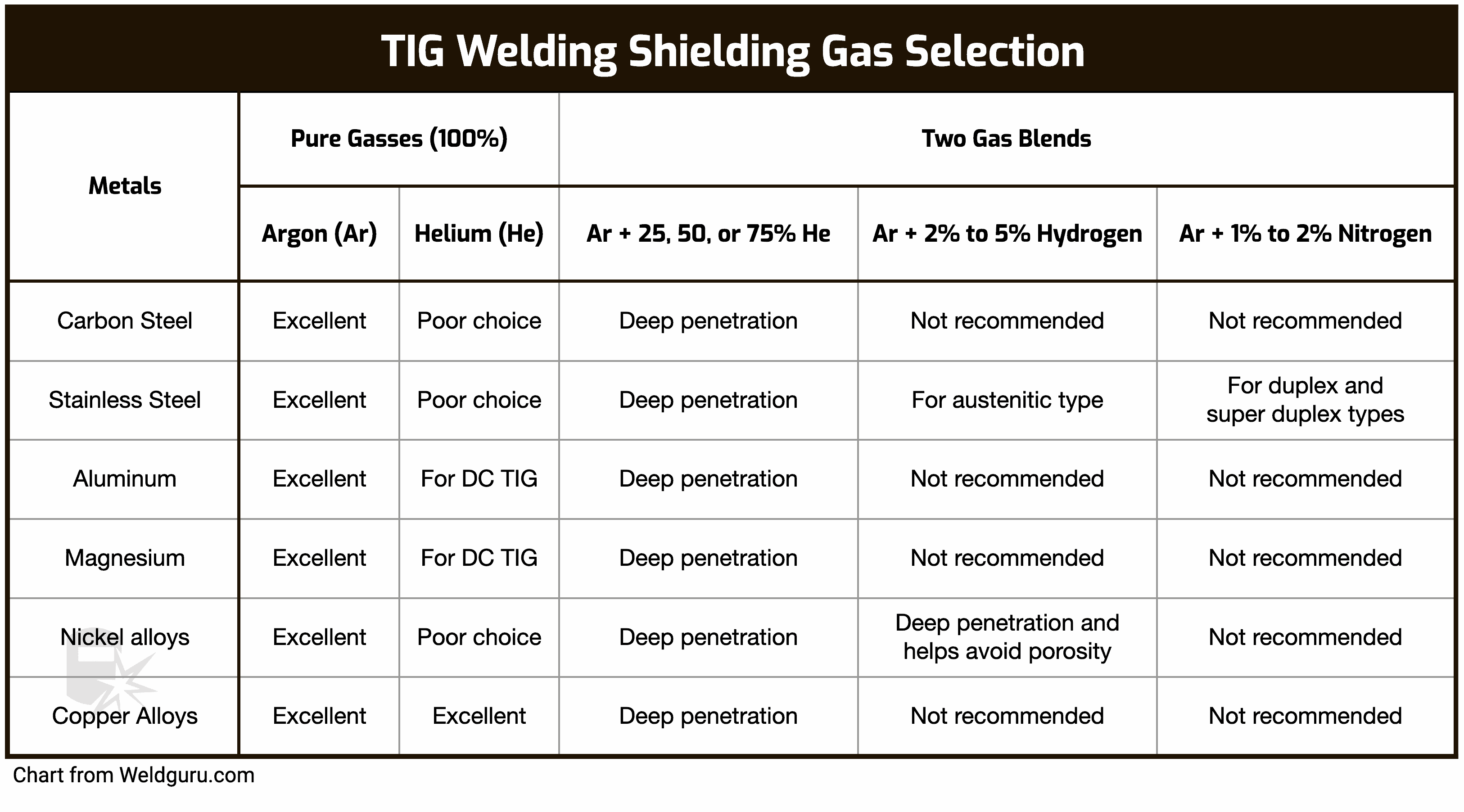
When it comes to TIG welding aluminum, 100% pure Argon is the undisputed champion. Seriously, this noble gas is your best friend. Why Argon? Well, for starters, it’s inert, meaning it doesn't react with anything. It’s also heavier than air, so it forms a stable, dense shield over your weld puddle. This creates a beautifully stable arc that’s easy to control, giving you that characteristic crisp, clean TIG sound and those gorgeous, uniform beads.
Must Read
A fun fact for your next dinner party: Argon is the third most abundant noble gas in Earth's atmosphere, making up about 1% of the air we breathe! So, when you’re laying down a perfect bead with Argon, you’re basically tapping into nature’s own shielding superpower. For most hobbyists and even many professionals working with typical aluminum thicknesses (say, up to 1/4 inch), Argon is all you’ll ever need. It’s consistent, reliable, and generally the most cost-effective choice.
Leveling Up: When to Bring in Helium
Now, while Argon is your everyday superhero, sometimes you need a little turbo boost. Enter Helium. If you’re tackling thicker aluminum (think 3/8 inch and up), or if you just want to crank up your travel speed and get more heat into your weld, a blend of Argon and Helium can be a game-changer. Helium, unlike Argon, is lighter than air and requires higher flow rates, making it a bit more expensive to use. But here's its superpower: Helium produces a hotter arc. This means deeper penetration and wider beads, which is fantastic for those chunky projects.

Common blends include 75% Argon/25% Helium or even 50% Argon/50% Helium. Using these blends is like switching your car into "sport mode" – you get more power, but you’ll also burn through fuel a bit quicker. A common practical tip: If you find your pure Argon welds are looking a little cold, or you're struggling to get enough heat into thick material without burning through thin sections, a touch of Helium might be just what the welding doctor ordered. Just remember, it can take a bit of practice to get used to the hotter, wider arc it produces.
Pro Tips for a Perfect Puddle
Getting your gas right isn't just about the type; it's also about how you use it. Here are a few golden nuggets:
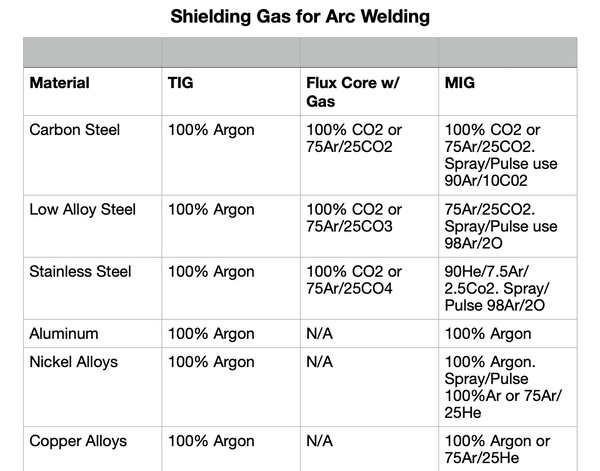
- Flow Rate is Key: You need enough gas to shield, but too much can actually pull in ambient air, creating turbulence and porosity. Aim for the "Goldilocks zone." For Argon, typically 15-25 cubic feet per hour (CFH) is a great starting point, but always check your machine's recommendations and adjust for your specific application. It's like finding the perfect pour for a craft beer – not too fast, not too slow.
- Cup Size Matters: Your ceramic cup or nozzle directs the gas. Larger cups or those with diffusers (often called gas lenses) provide a wider, more consistent gas shield, which is especially helpful for aluminum. Investing in a gas lens is usually a no-brainer for cleaner, more beautiful welds.
- Cleanliness is Next to Weldliness: We can't stress this enough. Even the best gas in the world can't save a weld if your aluminum is dirty, oily, or has a thick oxide layer. Always clean your material thoroughly with a stainless steel brush and acetone before welding. Think of it like preparing a canvas for a masterpiece – you wouldn't paint on a dirty surface!
- Mind the Drafts: A gentle breeze might feel nice on a warm day, but it’s the sworn enemy of your shielding gas. Even a slight draft can blow your precious Argon away, exposing your weld to contaminants. Try to weld in a sheltered area, or set up a simple windbreak.
The Zen of the Weld
Understanding your shielding gas for TIG welding aluminum is more than just a technical detail; it’s part of embracing the craft. It's about respecting the material and the process. Just like choosing the right ingredients for a gourmet meal or the perfect lens for a photograph, selecting and managing your gas correctly elevates your work from good to truly exceptional. There’s immense satisfaction in laying down a bead that sparkles like a fresh snowfall, knowing you’ve mastered one more subtle art of the trade.
So, the next time you fire up your TIG torch, take a moment to appreciate the invisible guardian working tirelessly to protect your masterpiece. It’s these small, often overlooked details that truly make a difference, not just in welding, but in so many aspects of life where precision, patience, and the right "ingredients" lead to truly rewarding results. Happy welding, friends!