You know how sometimes, the simplest things hold the biggest secrets? Like the perfect crisp in a potato chip, or the exact amount of sugar in your morning coffee. Well, in the dazzling, sparks-and-metal world of TIG welding, there’s an unsung hero, an invisible champion, making all the magic happen: the gas flow rate.
For those of us who aren't wielding a torch every day, TIG welding might sound like something out of a sci-fi movie. It's the precision surgery of the metal world, creating welds so beautiful they look like stacks of perfectly shiny dimes. But what you don't see, humming quietly in the background, is a gentle, invisible breeze doing some heavy lifting. We're talking about the protective gas – usually argon – flowing out of the welding torch like a silent guardian.
Imagine you're trying to give a tiny, molten pool of metal a perfect, invisible hug. This isn't just any hug; it’s a bubble of pure, protective gas, keeping all the nasty, hungry air particles away. You see, when metal is super-hot and liquid, it’s incredibly vulnerable. Oxygen and other elements in the air would love nothing more than to rush in, contaminate the weld, and turn that beautiful future joint into a brittle, ugly mess. Our invisible gas shield says, "Not today!"
Now, here’s where the fun, and sometimes frustrating, part comes in: getting that gas flow rate just right. It’s like trying to blow bubbles. Too weak a puff, and the bubble just collapses before it forms. Too strong, and you just get a chaotic splash. In welding, it’s much the same. A welder doesn't just "turn on the gas" and hope for the best. Oh no. This is an art form, a delicate dance with an unseen force.
If the gas flow is too low, our precious molten metal is left exposed, like a little baby weld out in a blizzard. You’ll hear welders groan about "porosity" – tiny little holes and imperfections that weaken the weld. It’s like the air snuck in through gaps in the invisible shield and left its messy fingerprints all over the place. Not ideal for holding together, say, a spacecraft part or a beautiful custom exhaust.
Selecting the Right Shielding Gas For Your Welding Process | Ron-Son's
But here’s the humorous twist: more isn't always better! If the gas flow is too high, you might think, "Great! Maximum protection!" But actually, it can create its own set of problems. Imagine blowing a strong gust of wind at a candle flame. It sputters, it struggles, it might even go out. A too-strong gas flow can become turbulent, drawing in air from the sides, or cooling the weld too rapidly. It's like having a bodyguard who's so overzealous he accidentally pushes you into trouble.
It's a genuine Goldilocks situation for welders: not too much, not too little, but just right.
How Much Gas Flow For Tig Welding at Christina Button blog
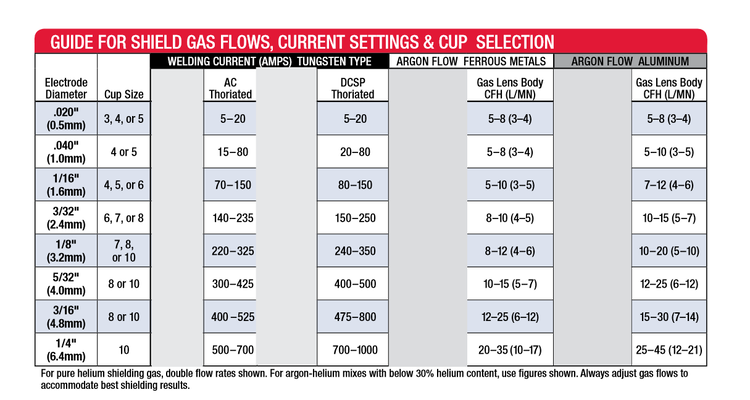
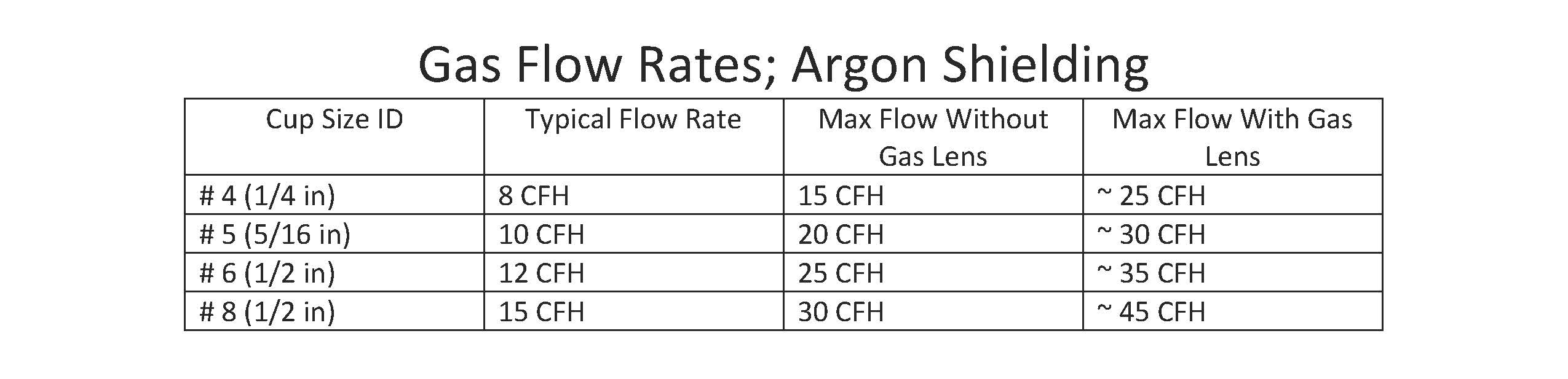
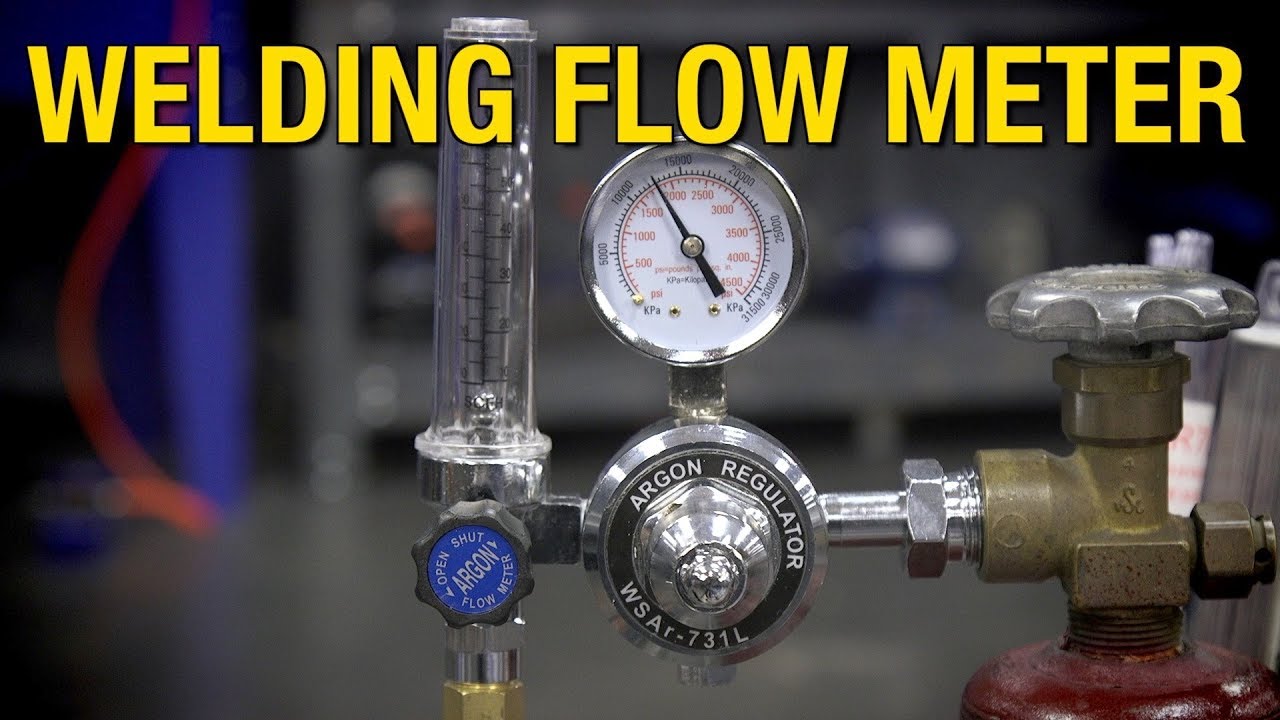
This "just right" zone is usually measured in cubic feet per hour (CFH) or liters per minute (LPM), and every welder develops an almost sixth sense for it. They listen to the gentle hiss, feel the subtle pressure, and watch the behavior of the arc. It's a testament to the human touch in a world of machines. Sometimes, it’s just a tiny twist of a knob that separates a flawless, glassy smooth bead from a lumpy, sputtering mess.
So, the next time you see something expertly welded, whether it’s a shiny bicycle frame or a piece of industrial art, take a moment to appreciate the invisible hero. It’s not just the sparks, the heat, or the skilled hands that made it perfect. It’s also the perfectly adjusted, gentle, steady stream of gas, protecting and nurturing that molten metal, ensuring its strength and beauty. It’s a quiet ballet of physics and intuition, all orchestrated to create something lasting and strong, thanks to an unseen, perfectly balanced breeze.