
Gas Convection Oven Vs Gas Oven
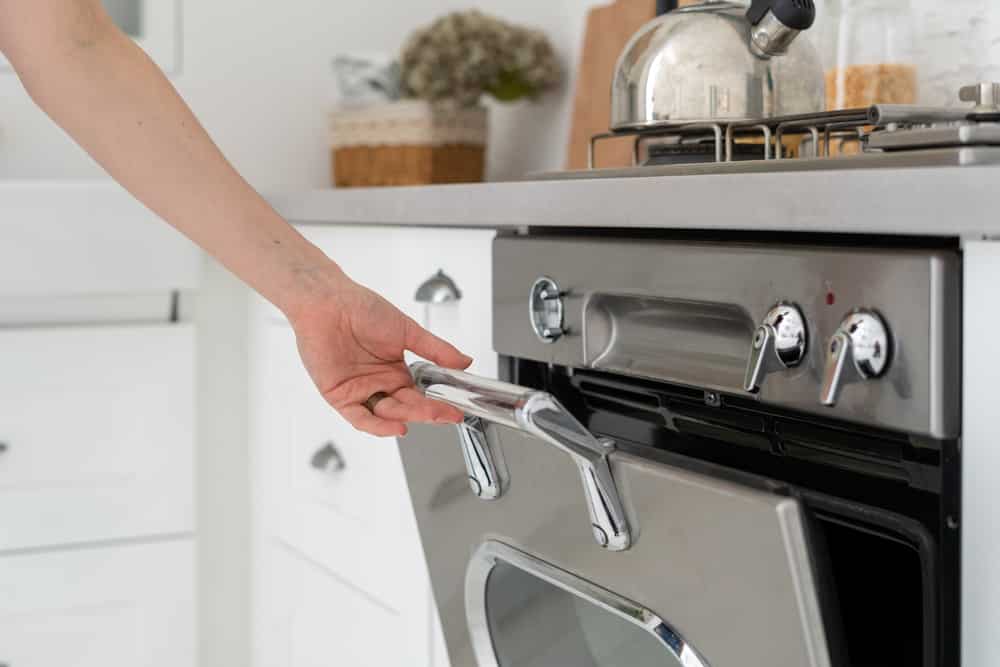
Ever stood in front of an oven, preheat light glowing, wondering if you’re getting the most out of your kitchen workhorse? Or perhaps you're in the market for a new one, scrolling through specs that sound like they belong in a spaceship? Fear not, fellow food adventurers! Today, we're diving into the deliciously warm world of gas ovens, specifically the age-old (well, almost) question: Gas Convection Oven vs. Gas Oven. Let's get cozy and uncover the tasty truths.
The OG: Your Traditional Gas Oven
First up, let's talk about the classic, the tried-and-true, the oven that probably baked your grandma's legendary apple pie. We're talking about the traditional gas oven. It’s the straightforward, no-frills hero of countless kitchens.
How does it work? Simple! Heat comes from a burner at the bottom, and that heat rises naturally. This creates what we call natural convection – warm air moving upwards. Think of it like a gentle, invisible elevator for heat.
Must Read
Pros:
- Moisture Retention: Because it’s less aggressive with air movement, gas ovens are often lauded for keeping foods, especially delicate cakes and breads, wonderfully moist. Ever had a perfectly crusty-on-the-outside, soft-on-the-inside sourdough? A gas oven is your friend.
- Crispy Bottoms: That direct bottom heat is fantastic for giving pizzas, pies, and tarts that desired crispy base. It’s a game-changer for homemade deep-dish!
- Generally More Affordable: Often, traditional gas models come with a friendlier price tag upfront.
Cons:

- Hot Spots: Ah, the notorious hot spots! Because heat rises and isn't evenly circulated, you might find one corner of your cookie sheet browning faster than another. Cue the mid-bake pan rotation dance!
- Longer Cooking Times: Without forced air, cooking can take a little longer. Patience is a virtue, right?
The Modern Marvel: The Gas Convection Oven
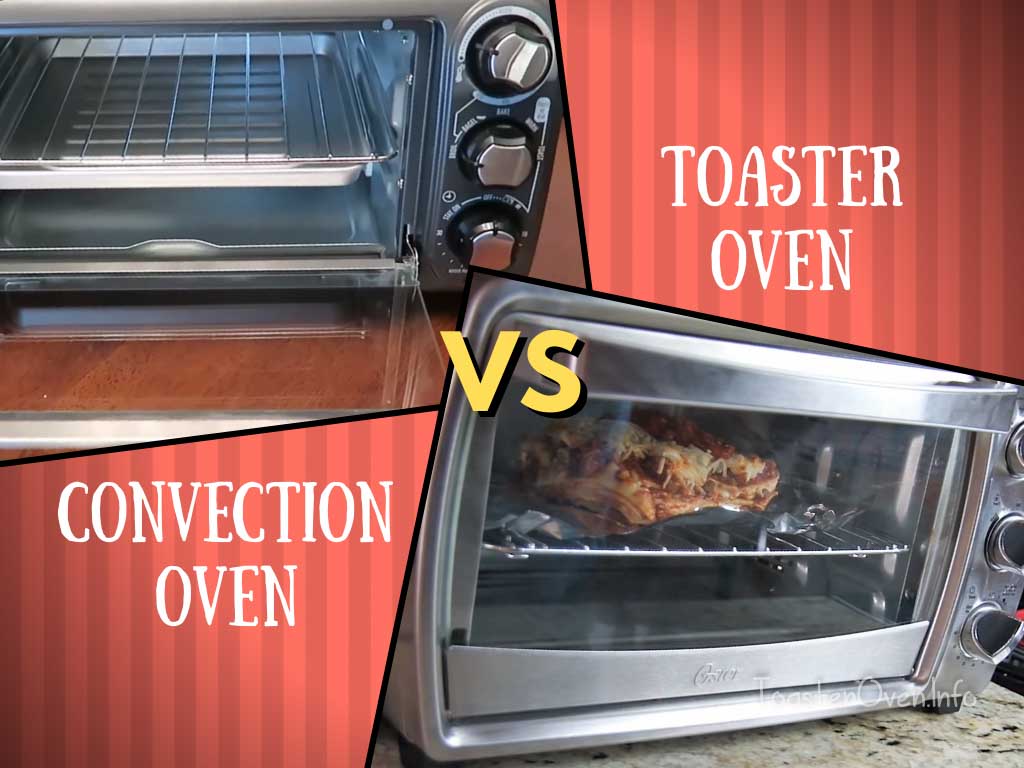
Now, let's introduce its cooler, more efficient cousin: the gas convection oven. This is where things get a little more... breezy.
What’s the secret sauce? A fan! Unlike its traditional counterpart, a convection oven uses a fan (usually located at the back) to actively circulate hot air throughout the oven cavity. It's like giving your oven a gentle internal wind tunnel, ensuring heat reaches every nook and cranny.
Pros:
- Even Cooking: Say goodbye to those dreaded hot spots! The fan-forced air means consistent temperatures, resulting in beautifully even browning and baking across all your dishes. Think Pinterest-worthy trays of roasted veggies, all perfectly caramelized.
- Faster Cooking: With heat constantly circulating, food cooks up to 25% faster. This is a lifesaver on busy weeknights when dinner needs to be on the table, like, five minutes ago.
- Better Browning: That moving air quickly evaporates moisture from food surfaces, leading to superior browning and crisping. Roast chicken skin? Crispier! French fries? Crunchier!
- Multi-Rack Magic: You can often bake on multiple racks simultaneously without compromising results. Hosting a dinner party? Batch-baking cookies for the school fundraiser? This is your secret weapon.
Cons:
![Convection vs Conventional Ovens Explained [December 2025]](https://www.mirabake.com/wp-content/uploads/2025/07/Side-by-side-image-of-convection-vs-conventional-oven.webp)
- Can Dry Out Delicate Foods: That efficient air circulation can be a bit too much for delicate items like custards or some cakes, potentially drying them out.
- Temperature Adjustments: You'll often need to lower the temperature by about 25°F (around 15°C) and reduce cooking times compared to traditional recipes. It's a small learning curve, but totally worth it.
- Higher Price Point: Generally, convection models come with a slightly heftier price tag due to the added technology.
Which One Should You Choose?
Ultimately, the choice comes down to your cooking style and needs.
Are you a traditional baker who loves the art of the perfect loaf and the gentle bake for delicate pastries? The traditional gas oven might still be your soulful kitchen companion.
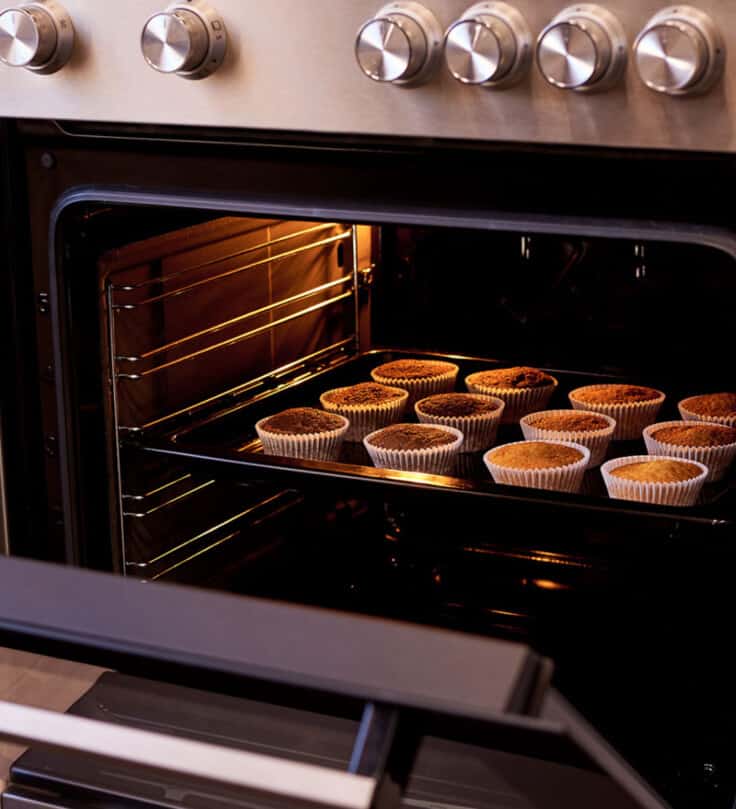
Are you a busy home chef, a roasted veggie enthusiast, someone who loves to entertain, or simply craves efficiency and consistent results across multiple dishes? Then the gas convection oven is likely to become your new best friend, turning your kitchen into a professional-grade haven. Many modern convection ovens even have a "regular bake" mode, giving you the best of both worlds!
A Little Something Extra: Practical Tips!
No matter which gas oven you choose, remember these golden rules:
- Preheat Properly: Don't rush it! Give your oven ample time to reach and stabilize at the desired temperature. A good 15-20 minutes after the preheat light comes on is a solid rule of thumb.
- Use an Oven Thermometer: Oven temperatures can vary wildly from what the dial says. A simple, inexpensive oven thermometer can be a game-changer for consistent results.
- Don't Overcrowd: Air needs to circulate! Give your dishes space, especially in a traditional oven, to ensure even cooking.
Whether you're crafting a Sunday roast that could rival a Michelin-star chef's, or simply reheating last night's pizza to crispy perfection, your oven is the heart of your kitchen's magic. Understanding its nuances, whether it's the gentle heat of a traditional gas oven or the circulating power of convection, helps you make the most of every delicious moment. So go forth, bake, roast, and create – because at the end of the day, a happy stomach makes for a happy life!